Detailed Explanation of Peanut Sprout Cultivation Techniques and Methods
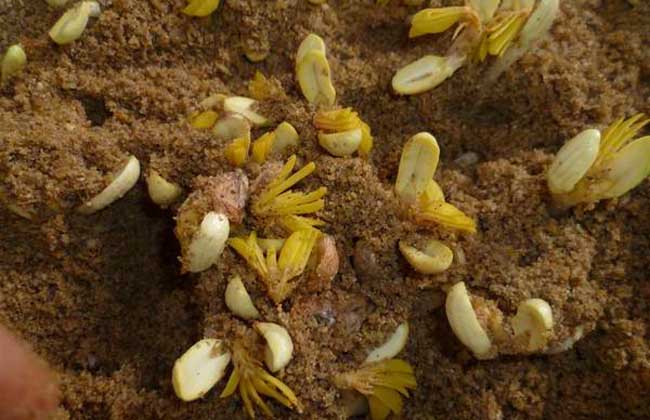
Peanut sprouts are a food that serves both as a therapeutic food and a dish. They can not only be eaten raw, but are also especially rich in nutrients. Their content of energy, protein and crude fat ranks first among all kinds of vegetables, and they are rich in vitamins, minerals such as potassium, calcium, iron and zinc, as well as various amino acids and trace elements needed by the human body. They are praised as the “longevity fruit sprout”, also called longevity sprouts. Let's take a look at peanut sprout cultivation techniques together below!
The Cultivation Prospects of Peanut Sprouts
Peanut sprouts are a newly developed type of new pollution-free high-grade sprout vegetable. Peanut sprouts are produced using a new method of foam box soilless cultivation technology, and can be produced all year round. During the production process, no chemical fertilizers or pesticides need to be applied, and there is no pollution. They are a very healthy vegetable and have very high cultivation prospects.
Preparation for Peanut Sprout Cultivation
1. Variety selection: Choose small-grain peanut varieties, and use new seeds of the current year that are plump, uniform in size, undamaged, strong in germination vigor and high in germination rate.
2. Production site: Peanut sprout production has relatively strict requirements for temperature and humidity conditions. Generally, light is not needed, but fresh and smooth air is required. An idle living room or an old idle room can be used. For winter cultivation, use a greenhouse or plastic tunnel or other place that can provide heating.
3. Specifications of the foam box: Foam boxes of various specifications can be used. Generally, choose a box 60 cm long, 40 cm wide and 25 cm high. The bottom of the box is required to be flat and to have drainage and ventilation holes.
Peanut Sprout Cultivation Techniques
1. Sowing method: First wash the seeds, and remove the blighted seeds, seed coats and impurities floating on the water surface. Then soak them in warm water at 20°C for 12-17 hours, washing and changing to clean water once in between. Place a layer of newspaper at the bottom of the foam box, spread 2 cm of clean river sand on it, evenly scatter the soaked seeds on the sand surface in the box, and then cover the foam box with a layer of black plastic film to keep warm, retain moisture and block light. It is advisable to keep the temperature in the box at 23-28°C, and spray water 2-3 times a day.
2. Cultivation management: 2-3 days after sowing, when the sprouts have grown to 1 cm, remove all the seed kernels that have not sprouted. The suitable growth temperature for peanut sprouts is 18-25°C. In summer, spray more water to lower the temperature, and in winter, strengthen heat preservation. During the growth period, water 3-4 times a day, preferably with clean well water. Each watering should be enough to wet all the sprouts and soak the substrate thoroughly. During cultivation, the room should be kept dim and no light should be allowed, otherwise the peanut sprouts will turn green, affecting their appearance and taste.
3. Timely harvest: Under normal cultivation conditions, from sowing to harvest, it takes 7-8 days in summer and autumn, and 8-10 days in winter and spring. When the sprouts grow to 12-15 cm, the top petals unfold with no cotyledons exposed, with no rotten stems, no off-odor and no fibrous roots, they can be harvested.