Detailed Explanation of Key Points on Celery Seed Germination Techniques
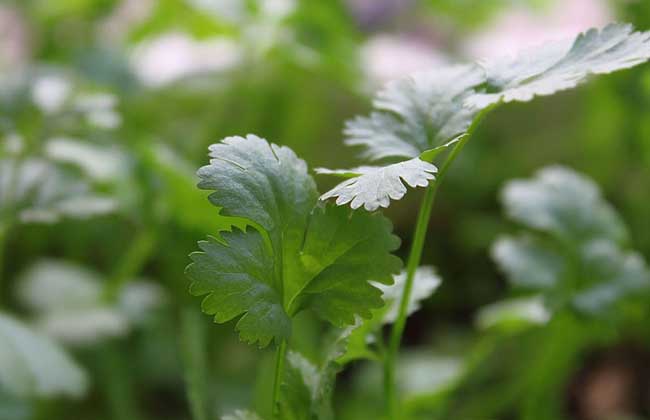
The sowing material of celery is the fruit, which has a thick and hard skin and oil glands, making it difficult for water to penetrate, so germination is slow and uneven. Sowing in the high-temperature summer season is even more difficult. Therefore, before raising seedlings in summer and autumn or direct sowing, seed soaking and germination are both required. Let's take a look at celery germination techniques together below!
Soaking Seeds in Clean Water for Germination
Soak the seeds in clean water for 24 hours to allow the seeds to fully absorb water. Then rub the seeds and rinse them several times until the water runs clear. Spread the seeds on a straw mat in a cool place to air-dry briefly, so that excess moisture on the seed surface is lost. Place the air-dried seeds in a clay pot, cover with a wet cloth, and put in a cool, ventilated place to germinate. The suitable temperature for germination is 15-20°C. During germination, turn the seeds once a day to keep temperature and humidity uniform. Rinse the seeds with clean water twice every 2 days to prevent mold. After rinsing, let them air-dry briefly, then continue germination. After about 7 days, when more than 80% of the seeds have sprouted, they can be sown.
Soaking Seeds in Well Water for Germination
Put the seeds into a cloth bag, moisten with well water, and hang it into a water well at about 30 cm above the water surface, so that the seeds absorb water and swell in a low-temperature, humid environment. After 24 hours, take it back and place it under 15-20°C conditions for germination. The temperature must not be too high, to prevent uneven germination or thin radicles. Rinse with clean water 2-3 times a day. After 2-3 days, when 80% of the radicles have emerged, they can be sown.
Low-Temperature Treatment for Germination
Refrigerate the soaked seeds at a low temperature of 0-1°C for 3 days, then place them under 15-20°C conditions for germination. This can shorten the germination time and improve germination uniformity. Soaking the seeds in 100 ppm gibberellin or 1% thiourea can replace the low-temperature treatment and achieve the same effect.