Where is the origin of enoki mushrooms? A detailed explanation of the main producing areas
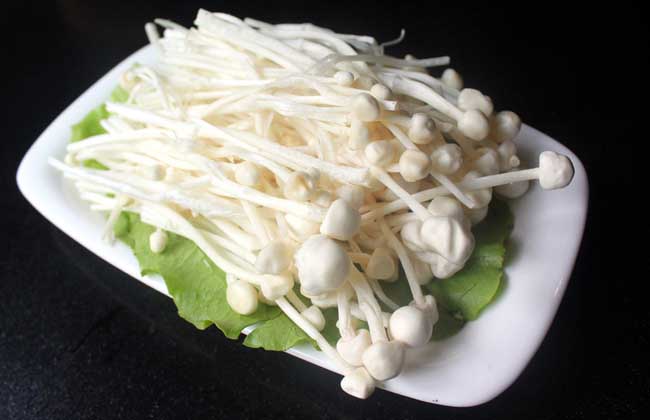
The scientific name of the enoki mushroom is Flammulina velutipes, also known as velvet foot, winter mushroom, and enokitake, among other names. It is widely cultivated around the world. Let us take a look below at what the enoki mushroom producing areas and their distribution are!
The distribution of enoki mushroom producing areas
Enoki mushrooms are widely distributed in nature, found in China, Japan, Russia, Europe, North America, Australia, and other places. In China, from Heilongjiang in the north to Yunnan in the south, and from Jiangsu in the east to ** in the west, all are suitable for the growth of enoki mushrooms. Lingshou in Shijiazhuang, Hebei, grows large quantities of white enoki mushrooms, and every November and December they are sold in equal quantities to various places.
Grade classification of enoki mushrooms
1. Grade 1 enoki mushrooms: The cap is semicircular, with a diameter of 0.5-1.3 cm, a stalk length of 14-15 cm, a uniformity of more than 80%, no brown roots, and no impurities.
2. Grade 2 enoki mushrooms: The cap has not opened, is semicircular, with a diameter of 1.2-1.5 cm, a stalk length of 13-15 cm, the base of the stalk is light yellow to light brown, the colored length does not exceed 1.5 cm, and there are no impurities.
3. Grade 3 enoki mushrooms: The cap diameter is 1.5-2 cm, the stalk length is 10-15 cm, the yellow-brown portion at the base of the stalk accounts for 1/3, and there are no impurities.
Growing conditions for enoki mushrooms
1. Nutrition: The enoki mushroom is a saprophytic fungus and can only absorb nutrients from ready-made culture material through its mycelium. In cultivation, the choice of culture material has a great influence on yield and quality. The nutrients required for the growth of enoki mushroom mycelium and the development of fruiting bodies include nitrogen nutrition, carbohydrate nutrition, mineral nutrition, and a small amount of vitamin nutrition.
2. Temperature: The enoki mushroom is a low-temperature fruiting fungus. The mycelium can grow within the range of 5-32°C, but the optimum temperature is 22-25°C. The mycelium is relatively tolerant of low temperatures, but has weak resistance to high temperatures, stopping growth or even dying above 34°C. Fruiting body differentiation takes place within the range of 3-18°C, but the optimum temperature for formation is 8-10°C. At low temperatures, enoki mushrooms grow vigorously; when the temperature is too high, the stalk is slender and the cap is small. At the same time, enoki mushrooms can be stimulated to form fruiting body primordia when there is a large temperature difference between day and night.
3. Moisture: During the mycelial growth stage, the water content of the culture material is required to be 65%-70%. Below 60%, mycelial growth is poor; above 70%, oxygen in the culture material decreases, affecting normal mycelial growth. During the stage of fruiting body primordium formation, the relative air humidity in the environment is required to be about 85%. During the fruiting body growth stage, the relative air humidity should preferably be maintained at about 90%. If the humidity is low, the fruiting bodies cannot grow fully; if the humidity is too high, pests and diseases are likely to occur.
4. Air: The enoki mushroom is an aerobic fungus and needs to continuously absorb fresh air during its metabolic process. During the mycelial growth stage, a small amount of ventilation can meet the needs of mycelial growth. During the fruiting body formation period, a large amount of oxygen is consumed. Especially in large-scale cultivation, when the accumulated carbon dioxide concentration in the air exceeds 0.6%, the formation of fruiting bodies and the development of caps will be inhibited.
5. Light: Both the mycelium and fruiting bodies can grow under completely dark conditions, but under completely dark conditions the fruiting body caps grow slowly and small, and many deformed mushrooms form. Weak scattered light can stimulate cap growth, while excessively strong light will inhibit stalk growth. For enoki mushrooms, which are mainly eaten for their stalks, paper tubes can be added during the cultivation process to block light and promote stalk elongation.
6. pH: Enoki mushrooms require a slightly acidic environment. The mycelium can grow within a pH range of 3-8.4, but the optimum pH is 4-7, and the optimum pH during the fruiting body formation period is 5-6.