Where is winter melon grown? Introduction to its main producing areas nationwide
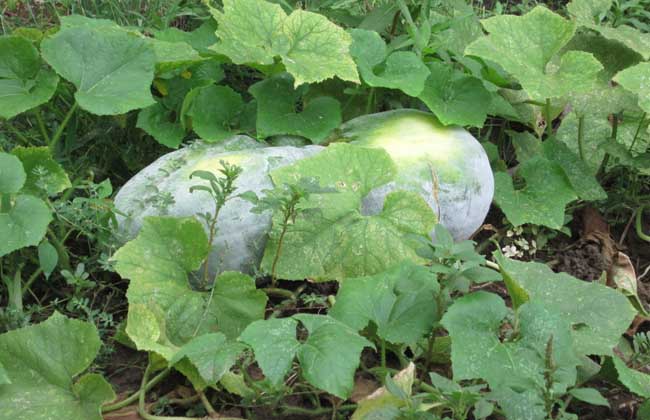
Winter melon originated in southern China and India, and is mainly distributed in parts of tropical and subtropical Asia; it is also found in eastern Australia and Madagascar. It is an annual herbaceous plant and a common vegetable. Let's take a look below at where winter melon is grown!
Where winter melon is grown
Winter melon originated in southern China and India, and is cultivated throughout both northern and southern China. It likes warmth and tolerates heat, has high yields, and stores and ships well. It is one of the important vegetable varieties of summer and autumn and plays an important role in filling the off-season vegetable gap. It is suitable for local sale, transport to the north, and export. It is cultivated everywhere in China, and the fruit is harvested when it ripens in late summer and early autumn.
The growing environment of winter melon
1. Temperature: Winter melon is a warmth-loving, heat-tolerant vegetable that grows and develops well at relatively high temperatures. The optimum temperature for seed germination is around 30°C; below 20°C germination is slow. Seedlings can endure slightly lower temperatures. Growth is slow at around 15°C, and with a slightly longer period below 10°C, or at temperatures around 10°C with weak light and high humidity, it is easily damaged by cold. It grows well at 20-25°C. Above 25°C growth is rapid but the plants are rather spindly and prone to disease. Both vine and leaf growth and flowering and fruiting are best at around 25°C.
2. Sunlight: Winter melon is a short-day plant, but most varieties are not strict about sunlight requirements. During the seedling stage, slightly lower temperatures and short-day conditions can promote development, and the nodes at which female and male flowers appear are earlier.
3. Water: Winter melon has a well-developed root system and a strong ability to absorb soil moisture, but its vines and leaves are lush, its transpiration area is large, and its fruit is big, so it consumes a lot of water and is therefore not very drought-tolerant. As winter melon grows and develops, its water needs gradually increase. Up to the flowering and fruiting stage, the vines and leaves grow rapidly, and especially after fruit set, the fruit develops continuously and requires the most water; it also needs relatively high air humidity. Conditions such as higher temperatures and greater humidity favor fruit set, while dry air, low temperatures, or heavy rain result in poor fruit set. In the later stage of fruit development, especially before harvest, too much water is not suitable; otherwise it will reduce quality and make the fruit less storable.
4. Soil: Soil nutrients are very important for the growth and development of winter melon. According to research, producing every 5000 kg of winter melon requires about 15-18 kg of nitrogen, 12-13 kg of phosphorus, and 12-15 kg of potassium. Uptake is low during the seedling stage and also not much during the vine-running stage, while during the flowering and fruiting stage, especially the early and middle stages of fruit development, uptake is large, and then decreases again in the later stage. Winter melon has a long growing period and a strong root absorption capacity, so it can make good use of soil nutrients.
How to choose winter melon
1. The outer skin of winter melon: The outer skin of winter melon is very thin, so it easily gets scratches. When choosing, mainly check whether there are deep marks, and pick ones with a smooth surface and no dents or bumps.
2. The color of winter melon: Most winter melons are dark green, so choosing dark green ones is fine.
3. The size of winter melon: Winter melons are generally very large and are sold cut into slices. When choosing, just pick about 1 slice according to your family's appetite.
4. The softness or firmness of winter melon: For a cut slice of winter melon, you can gently touch it with your finger. If it feels very soft, then it has probably been sitting for a while; choose one that is a bit firmer.
5. The weight of winter melon: When choosing, you can compare two slices; whichever piece is heavier and a bit firmer is a good one.