A Detailed Guide to Seed Germination Treatment Methods for Celtuce
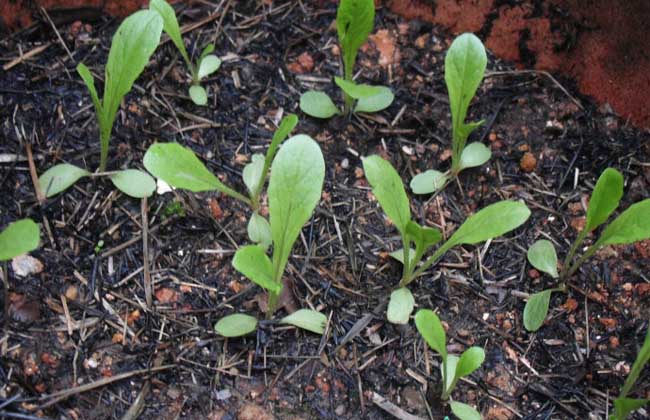
Celtuce prefers cool conditions, and the optimal temperature for seed germination is 15-20°C. If the temperature is above 30°C, the seeds cannot germinate. Autumn celtuce is sown in early autumn, when temperatures are relatively high and germination and seedling emergence are difficult, so germination treatment is generally needed before sowing. Let us take a look together below!
Seed Collection Methods for Celtuce
For celtuce seed collection, it is best to save seed from overwintered spring celtuce. Seed plants should be isolated from other varieties by about 1000 m. Select and retain plants that grow vigorously and have the characteristic traits of the variety. After thinning, maintain a spacing of at least 33 cm between plants and rows, remove old leaves, increase fertilizer and water, and earth up the soil to promote side branch growth.
At flowering time, appropriately remove some branches and insert supports to prevent lodging. Water must not be lacking during the flowering period, and irrigation should be reduced after the flowers fade. About 20-25 days after flowering, when the leaves of the seed plant turn yellow normally and the seeds become brown or silvery gray with white pappus, harvest them promptly.
Treatment Methods for Celtuce Seeds
Autumn celtuce is generally sown in July or early August, which is the hot season with high temperatures, and the seeds do not germinate easily. In production, measures such as low-temperature treatment, hormone soaking, and red light irradiation are often used to promote germination.
1. Low-temperature treatment is the most commonly used method. First soak the seeds for 12-24 hours, then place the seeds in a bag and put them in a cool place such as a cave or a well, or directly place them in a refrigerator, maintaining a temperature below 25°C and moist conditions. After 3-4 days, when 80% of the seeds have sprouted, they can be sown.
2. Using hormone soaking, dry seeds can be soaked in a 100 mg/L hormone solution for 3 minutes, then rinsed and sown, which can greatly increase the germination rate of celtuce seeds under high-temperature conditions. Treatment with 0.1% thiourea can also promote germination.
3. Irradiating celtuce seeds with red light can also promote germination under high temperatures, but infrared light can inhibit germination.
Sowing Time for Celtuce Seeds
1. Spring celtuce: raise seedlings in greenhouses from December to March, and raise seedlings in open fields from mid-February to late March.
2. Summer celtuce: cultivate in open fields from April to mid-to-late May, and from late May to July use shade net covering, direct sowing, or high-density planting.
3. Autumn celtuce: sow from July to September with shade net covering, and raise seedlings for transplanting.
4. Overwintering celtuce: raise seedlings in open fields from October to November.