Avocado has high nutritional value, comparable to cream, and is known as the "forest cream."
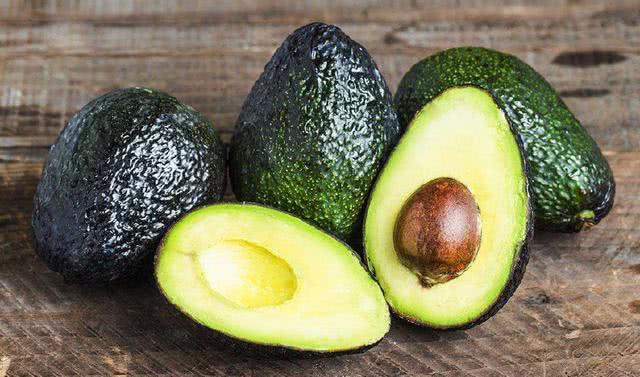
Avocado
Avocado (a plant of the genus Butyrospermum in the family Sapotaceae) generally refers to avocado
Avocado (scientific name: Butyrospermum parkii Kotschy), a deciduous tree, 10-15 m tall, with a trunk diameter of 1-1.5 m; the crown is spreading, with many dense branches, and the stems and branches are thick, with many knots and often curved; the bark is thick, irregularly cracked, and contains milky sap. Leaves are oblong, with a rounded or blunt apex and a rounded or blunt base; when young, the upper surface is covered with rusty-colored soft hairs, and later both surfaces are hairless; the midrib is grooved on the upper surface, and rounded and very prominent on the lower surface; there are more than 30 pairs of lateral veins, parallel to each other, slightly raised on both surfaces, with fine reticulate veins; the petiole is round. The pedicel is covered with rusty-colored soft hairs; the calyx lobes are lanceolate, hairy on the outside; the flowers are sweetly fragrant, and the corolla lobes are ovate and entire. The berry is spherical, 3-4 cm in diameter, edible, and tastes like persimmon; the seed is ovate, yellow-brown, glossy, with a lateral scar, oblong. The flowering period is June, and the fruiting period is October.
Widely distributed in tropical Africa. There is large-scale cultivation at the Yuanjiang introduction station in Yunnan, China. The seed kernel is rich in fat and is an important edible oil as well as an important industrial and mining oil, and can also be used to make margarine and soap. The avocado fruit is a fruit with very high nutritional value, containing multiple vitamins, abundant fatty acids and protein, and high levels of sodium, potassium, magnesium, calcium, and other elements. Its nutritional value is comparable to cream, and it even has the reputation of "forest cream." It is generally eaten as a raw fruit, and can also be made into dishes and canned food.
Morphological characteristics
Deciduous tree, 10-15 m tall, with a trunk diameter of 1-1.5 m; the crown is spreading, with many dense branches, and the stems and branches are thick, with many knots and often curved; the bark is thick, irregularly cracked, and contains milky sap.
Leaves are oblong, 15-30 cm long and 6-9 cm wide, with a rounded or blunt apex and a rounded or blunt base; when young, the upper surface is covered with rusty-colored soft hairs, and later both surfaces are hairless; the midrib is grooved on the upper surface, and rounded and very prominent on the lower surface; there are more than 30 pairs of lateral veins, parallel to each other, slightly raised on both surfaces, with fine reticulate veins; the petiole is round, about 10 cm long.
The pedicel is covered with rusty-colored soft hairs; the calyx lobes are lanceolate, hairy on the outside; the flowers are sweetly fragrant, and the corolla lobes are ovate and entire. The berry is spherical, 3-4 cm in diameter, edible, and tastes like persimmon; the seed is ovate, about 2-3 cm long, yellow-brown, glossy, with a lateral scar, oblong. The flowering period is June, and the fruiting period is October.
Growth habits
Avocado likes light and prefers a warm, humid climate, and is not cold-tolerant. Only a few varieties can tolerate short-term low temperatures of 0 degrees. It is cultivated between 40°S and 40°N worldwide. The suitable average annual temperature is 20-25°C. Cold resistance varies by variety (the Mexican race is relatively cold-resistant, while the Guatemalan and West Indian races are less cold-resistant). Cold-resistant varieties can tolerate low temperatures of -6°C, while varieties with low cold resistance wither when exposed to low temperatures of 0°C. It requires annual rainfall of more than 1000 mm. The roots are shallow and the branches are brittle, so it cannot withstand strong winds; strong winds can cause reduced yield. It has strong adaptability to soil.
Geographical distribution
Avocado originated in Mexico and Central America, and was later widely planted in California, so California became the world's largest avocado production area. It is planted throughout tropical and subtropical regions of the world, but is cultivated most in the southern United States, Guatemala, Mexico, and Cuba, and has formed three major populations: the Mexican race, the Guatemalan race, and the West Indian race. There is a small amount of cultivation in Guangdong, Hainan, Fujian, Guangxi, Taiwan, China, Yunnan, Sichuan, and other places in China.
Propagation methods
Avocado is mostly propagated by seed, and can also be propagated by grafting. When sowing, remove the seed coat and germinate the seeds in a sand bed. Choose a place with deep soil, good drainage, and shelter from wind for planting. A spacing of 5*(6-7) m between plants and rows is more suitable. Mixed planting of varieties can ensure pollination. Grafting is best done with container-grown seedlings; grafting can be carried out when the seedling diameter is 0.8-1 cm thick.
Cultivation techniques
Planting
Plant at 50-60 cm between seedlings, with a planting spacing of 5-6 m between plants and rows. Grafted seedlings flower and bear fruit 3-4 years after planting, or 4-6 years for seedling trees.
Mulching
Avocado is a fruit tree that grows under tropical rainforest conditions and competes for sunlight. The high-temperature and high-humidity environment makes it grow rapidly; if environmental conditions are not available, growth is slow. Therefore, avocado cultivation abroad often emphasizes growing grass or green manure near the plants in the early stage, and applying large amounts of mulch near the root zone, increasing topsoil organic matter through mulching, forming a rainforest root-zone environment similar to the place of origin, stabilizing root-zone ecological conditions, and promoting the reproduction of microorganisms that can suppress root rot. Therefore, from the young tree stage until the tree itself can form a mulch layer through fallen leaves and before root rot occurs, mulching the tree disk of young trees is especially important. Start mulching in winter, replenish the thickness in spring, and by summer a good mulch layer can be formed. Root-zone mulching can also reduce soil moisture evaporation, alleviate damage to avocado from dry heat, lower soil temperature in summer and raise soil temperature in winter, increase soil organic matter, reduce weeds, and prevent soil erosion on sloping land. However, during the rainy season, prevent the mulched soil from becoming too wet.
Fertilization
Apply nitrogen fertilizer conventionally more than 4 times each year, usually by broadcast application or through the irrigation system. For adult trees, apply organic fertilizer at 50 kg per tree and compound fertilizer at 50 g during the young fruit stage, and apply once more after harvest, with the amount doubled. When leaf analysis indicates low phosphorus and potassium content, apply phosphorus and potassium fertilizers. On some soil types, zinc can be applied by using zinc-containing fertilizers or foliar spraying of zinc; spraying is most effective when new leaves unfold in spring. For crops growing on calcareous soil or soil with low oxygen content, the most effective method is to inject chelated iron solution into the root zone. When nitrogen is present in certain soils and irrigation water, the amount of nitrogen used should be reduced. When few new leaves are seen growing on the tree and the leaf color is grayish-white or there are many fruits, increase nitrogen fertilizer application.
Drainage
Avocado is evergreen year-round and needs the root-zone soil to remain moist throughout the year. It is very sensitive to soil drought. Once short of water, physiological functions are impaired, tree vigor weakens, causing leaf and fruit drop, and cold resistance in winter decreases, so it should be properly irrigated during drought. From fruit set to fruit maturity, maintaining soil moisture is crucial. If drought occurs in the first month after fruit set, young fruits drop severely. On Hainan Island, the dry and hot weather in April-May causes severe fruit drop in avocado. Therefore, if there are 10-20 consecutive sunny days and the orchard soil begins to crack slightly, irrigation should be carried out promptly; if rainfall is below transpiration and evaporation for a long time, supplementary irrigation should also be given. However, irrigation should be just right: both sufficient and absolutely not excessive. Generally, moistening the soil thoroughly is appropriate. If too wet, it will aggravate root rot and also reduce the soluble solids content of the fruit. Sprinkler irrigation or drip irrigation is best; flood irrigation may cause root rot, and drip irrigation can save 50%-60% of water. If drought causes leaves to begin curling, canopy spraying can also be carried out. In the rainy season, pay attention to drainage, especially in flatland orchards.
Disease control
Anthracnose
Damage: Anthracnose is an important disease of avocado. It mainly harms mature fruits, and can also infect leaves, young branches, flowers, and young fruits, causing fruit drop and fruit rot, and shortening shelf life. It generally occurs after the fruit ripens. Before the fruit ripens, the lesion diameter does not exceed 5 mm, is round, slightly sunken, and brown or black. When conditions are suitable, the lesion expands quickly, the depression becomes obvious, radial cracking appears in the center of the lesion, and finally the lesions merge into patches, producing pink conidial masses. As the fruit gradually ripens, the pathogen can invade the flesh, causing dark green dry rot.
Control: Remove diseased branches in the orchard, prune diseased leaves, and eliminate sources of infection. After harvest, carry out low-temperature pretreatment and low-temperature storage as early as possible. Almost all avocado varieties are sensitive to this pathogen. The key to control is to minimize the occurrence of other fruit diseases (especially Cercospora spot) and avoid mechanical damage during fruit transport.
Scab
Damage: In the early stage, affected fruits develop slight round brown scar-like protrusions, which later turn brown to light purple. After the fruit ripens, the lesions merge, the center sinks, and the fruit skin becomes rough. After this disease infects the fruit, it does not affect its flavor quality, but the appearance quality is seriously reduced. In the young fruit stage, if cold and humid weather occurs, this disease is severe. It can also harm leaves; affected leaves develop brown spots, the leaves shrink, and the lesions further develop into a star shape with a hole in the center. Leaf damage often occurs at the top of the canopy, and the lesions are mostly within the texture on the back of the leaf; the lesions are small, discrete and discontinuous, and not easy to observe. Lesions on petioles and small branches are oval and easily confused with spots caused by scale insects.
Control: Prune diseased branches to reduce pathogens, and spray Bordeaux mixture or other copper formulations.
Cercospora spot
Damage: It can harm leaves, stems, and fruits. When it infects fruits, it forms blighted spots on their surface or causes the skin to crack, and the cracks can lead to infection by Colletotrichum. When it infects leaves, 2-5 mm blighted spots first appear on the leaf surface, initially brown, later turning purple; the spots expand to both sides of the leaf, are irregular in shape, and in severe cases the blighted spots merge to form larger blighted patches.
Control: Use chemical control, spraying copper formulations and pyrimethanil on branches and fruits.
Dothiorella fruit rot
Damage: Symptoms of infected fruit before harvest are not obvious; the lesions are small and shallow, and symptoms become obvious during the process of softening and ripening after harvest. In the early stage, small irregular brown to red lesions appear on the fruit skin. Because the pathogen invades the vascular bundles, peeling back the skin reveals brown streaks in the flesh, and subsequently purple-brown irregular lesions appear at the stem end. As the fruit ripens after harvest, the skin lesions gradually lengthen, blacken, and sink; the brown skin is covered with a layer of gray-brown mycelium and spores, exuding brown flesh and juice and giving off an unpleasant odor.
Control: Prune diseased and dead branch tips, remove dead wood and diseased fruits, choose clear weather for harvesting, strengthen tree nutrition, and reduce the occurrence of other diseases.
Stem-end rot
Damage: The fruit stem end is infected first, and slight withering appears around the stem end of the fruit. As the fruit ripens, the pathogen invades the fruit, and obvious black rot appears around the stem end, with a clear boundary between diseased and healthy parts. It gradually spreads to the entire fruit surface, and the pathogen invades the flesh, causing tissue discoloration and degradation and giving off an unpleasant odor, thereby reducing fruit quality.
Control: The pathogen can survive on host diseased residues. Therefore, eliminate sources of infection in time and avoid accumulation of diseased residues in the orchard. Watering at lower parts of the orchard can prevent the pathogen from moving to fruits higher up. Eliminating water stress can reduce infection. Mulching with plastic film or weeds under the trees can promote faster decomposition of diseased residues. In addition, do not harvest on rainy days.
Phytophthora fruit rot
Damage: Phytophthora can cause fruit rot both before and after harvest, and can also cause stem cankers and rot. Affected fruits often develop black round lesions near the stem end, and the pathogen can invade the flesh.
Control: Prune diseased dead branches and stems, clean the orchard, remove fallen fruits and diseased fruits, and prevent reinfection by the pathogen. Cover the area under the plants with a thick mulch to inhibit the spread and damage of pathogens in the soil.
Sooty mold
Damage: The surfaces of fruits, leaves, and stems are covered with large amounts of black sooty mold-like mycelium and spores, which grow on the honeydew secreted by wax scales and whiteflies.
Control: The key is to control pests and reduce honeydew production. A better method is to use natural enemies for biological control.
Main value
Industrial
The seed kernel is rich in fat and is an important edible oil as well as an important industrial and mining oil, and can also be used to make margarine and soap.
Edible
Nutritional components
The fruit is a fruit with very high nutritional value, containing multiple vitamins, abundant fat and protein, and also high contents of sodium, potassium, magnesium, calcium, etc. Besides being eaten as a raw fruit, it can also be used in dishes and canned food.
Efficacy and effects
Antioxidant and anti-aging: Avocado is rich in glyconic acid, protein, and vitamins. It is moisturizing without being greasy and is a natural antioxidant and anti-aging agent. It can not only soften and moisturize the skin, but also tighten pores. A milky isolation layer can form on the skin surface, which can effectively resist sunlight exposure and prevent tanning and sunburn. The avocado oil extracted from the seed kernel is rich in nutrients, containing abundant vitamin E, magnesium, linoleic acid, and essential fatty acids, which help strengthen cell membranes and delay the aging rate of epidermal cells.
Breast enhancement: The abundant unsaturated fatty acids in avocado can increase the elasticity of breast tissue. The vitamin A it contains can promote female hormone secretion, vitamin C can prevent breast deformation, and vitamin E helps breast development.
Liver protection: Research has found that avocado contains effective chemical components that may protect the liver. This discovery will help people invent new drugs for treating liver diseases.
Beauty: Avocado flesh has good affinity with human skin and is very easily absorbed by the skin. It also has strong absorption of ultraviolet rays. In addition, it is rich in vitamin E and carotene, so it has good skin care, sunscreen, and health care effects.
Relieving diabetes symptoms: Avocado flesh has a very low sugar content, 1/5 that of banana. It is a rare high-fat, low-sugar food for diabetic patients, and drinking water soaked with its peel has a relieving effect on diabetes.
Protecting uterine health: Avocado can protect women's uterine and cervical health. Women who eat one avocado per week can balance estrogen, lose excess weight gained from childbirth, and prevent cervical cancer.
Baby complementary food: Avocado is one of the good complementary foods for babies.