Keep this guide to watering methods for 10 common flowers, and stop watering your plants to death
Flower growers who have kept plants for a while surely know that in gardening, three parts depend on fertilizer and seven parts on water. This means that to grow flowers well, fertilizer is not the most important thing; what matters most is watering them properly. Many flower growers say their plants just never survive, and in fact, most of the reason is that watering was not handled well.
When it comes to watering, you cannot generalize: not every kind of flower is suited to the same watering method, because each plant has different characteristics and different growth habits, so it is best to water according to each one's own traits. Next, let us briefly share the watering techniques for several common potted flowers kept at home. Remember to save this first!
1. Rubber plant
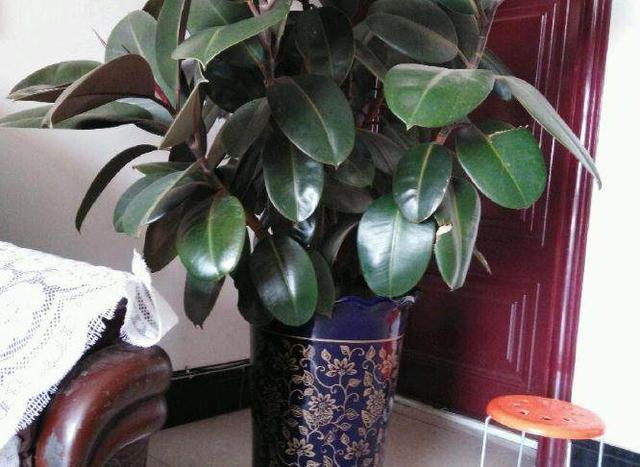
The rubber plant likes a hot, humid environment with plenty of sunlight, but it dislikes direct sunlight, and it grows best in loose, fertile, well-drained, slightly acidic soil. Because the rubber plant likes a moist soil environment, during its growing period it should be given plenty of water to keep the potting soil moist and promote good plant growth. It is recommended to water once a week, and to water thoroughly.
2. String of pearls
String of pearls, also called Buddhist beads, jade beads or green beads, likes a warm, humid, semi-shaded environment and soil rich in organic matter that is loose and fertile. Its optimum growth temperature is 15-25°C, and it generally grows well under medium light conditions. String of pearls should be watered sparingly rather than heavily. When the weather is dry, you can spray more water on the leaves and stems to make up for the lack of moisture and keep the beads green and plump.
3. Gloxinia
Gloxinia has lush green leaves and brilliantly colorful flowers, and its flowering period lasts as long as half a year, making it an ideal flower for decorating and adorning interiors and windowsills. Its suitable temperature during the growing period is 20-25°C. It likes a warm, humid, semi-shaded environment, avoids direct strong light, and grows in a humus-rich, loose, fertile, slightly acidic sandy soil environment. During the growing period it requires high air humidity; in the high-temperature stage of summer, water 1-2 times a day. When the air is dry, spray water around the plant frequently to increase the environmental humidity.
4. Clivia
Clivia is a semi-shade-loving plant that prefers cool conditions and dislikes high temperatures, and it needs soil that is fertile and well-drained as well as moist soil. In summer, when high temperatures are combined with dry air, do not forget to water promptly; pay regular attention to whether the potting soil is dry or moist, and water once as soon as it becomes half dry.
5. Gardenia
Gardenia is best planted in loose, fertile, well-drained acidic soil. It likes an environment with plenty of light and good ventilation, fears waterlogging, and requires loose, fertile, acidic sandy loam. Therefore, it should not be watered too frequently; watering once a week is enough. In addition to normal watering, you should often spray the leaf surfaces and the nearby ground with clean water to appropriately increase air humidity.
6. Spider plant
Spider plant has an optimum growth temperature of 15-25°C and an overwintering temperature of 5°C, and it grows better in well-drained, loose, fertile sandy soil. It likes a humid environment, and the potting soil should be kept moist often. It can be watered once every 2 days, and the leaves and stems should be sprayed frequently to keep the leaves clean and glossy.
7. Money tree
The money tree likes fertile, loose, breathable, water-retaining sandy loam, is fairly tolerant of moisture and also slightly tolerant of drought. It is recommended to water twice a month. In addition, the money tree grows rapidly in summer and needs sufficient water, so it should be watered 1-2 times a week. For semi-finished plants kept in winter, the potting soil must be kept appropriately dry, and watering should follow the principle of watering when dry and stopping when wet.
8. Kalanchoe
Kalanchoe has an optimum growth temperature of 15-25°C; when summer temperatures exceed 30°C, its growth is hindered. It is tolerant of drought and has no strict soil requirements, though fertile sandy loam is best. As for watering, in midsummer watering should be controlled and ventilation should be ensured, because if it is hot and humid, the leaves easily rot and fall off.
9. Cymbidium
Cymbidium has upright or drooping flower stems and large, brightly colored flowers, and it is suitable for placement on indoor flower stands, balconies and windowsills. Its optimum growth temperature is 10-25°C, and it likes warm winters and cool summers. In terms of watering, cymbidium fears dryness rather than moisture, so watering can be kept at two to three times a week. In addition, you need to spray water around it more often to maintain air humidity; when humidity is low, root growth is slow and the leaves tend to turn yellow.
10. Potted rose
For roses, water according to the principle of watering when dry and stopping when wet: do not water when not dry, and water thoroughly when you do. In theory, roses fear being flooded, there must be no standing water in the pot, and too much water easily causes root rot. However, summers are hot with high temperatures and large water evaporation, so watering should be a little more frequent, and once a day is fine; otherwise the plant easily becomes dehydrated with yellow leaves. It is best to water in the morning or evening, and never water at the hot midday, or the roses will dry up and drop their flowers.
That is all for the sharing on watering methods for common flowers. Thank you for reading!
Remember to like and share~