Where is the origin and distribution of the tea tree mushroom? Introduction to the main producing areas
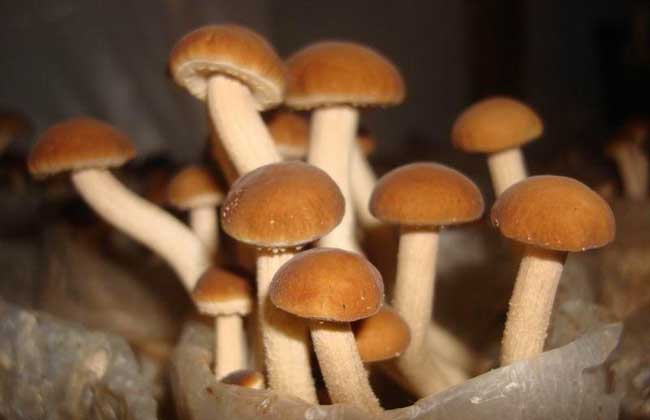
The tea tree mushroom is mainly distributed in the North Temperate Zone, and also occurs in subtropical regions, but it is rare in tropical regions. Neither extremely cold nor extremely hot climatic conditions are suitable for its development. The tea tree mushroom can be cultivated using the general methods for wood-decaying fungi. Let's take a look below at the origin and distribution of the tea tree mushroom!
The origin and distribution of the tea tree mushroom
The main producing areas of the tea tree mushroom are Guangchang County in Jiangxi, Lichuan County in Jiangxi, and Gutian County in Fujian.
In addition, it is also produced throughout the country, with Kunming, Chengdu, Beijing and other places being relatively large fresh mushroom producing areas. Lichuan County in Jiangxi Province is also an important producing area for the tea tree mushroom. A relatively large amount of the supply on the market comes from the Wulingyuan area of Zhangjiajie, the first national forest park in the country - a ten-thousand-mu tea garden, where natural tea tree mushrooms are dried and processed. In the past year or two, tea tree mushrooms, especially those from Xiangxiaowu's family, have been widely sold to South Korea.
The producing environment of the tea tree mushroom
Under natural conditions, the tea tree mushroom grows on and around the decayed roots of small arbor-type oil tea forests, and the growing season is mainly concentrated at the turn of spring and summer and around mid-autumn. It occurs more often in regenerated forests after old forests are cut down. Because the wood of oil tea trees is hard and decays slowly, the growth cycle of the tea tree mushroom mycelium is extremely long.
The occurrence of wild tea tree mushrooms is often affected by the precipitation of the previous year. That is, if the previous year had abundant precipitation and there was also an appropriate amount of precipitation before March of the following year, then a large number of tea tree mushrooms will appear in April and May of the following year. If the first year had relatively little precipitation and March of the following year was also relatively dry, then even if April and May of the following year have relatively abundant precipitation, the occurrence of tea tree mushrooms will still be relatively low. It is precisely because of the long spawn-running time, which is beneficial for the mycelium to gather energy and accumulate sufficient nutrients needed for the growth and development of the fruiting body, that the tea tree mushroom has become a treasure among mushrooms - nutritious, crisp and refreshing, delicious in taste, excellent in mouthfeel, beautiful in appearance, and unique in aroma.
The nutritional value of the tea tree mushroom
1. The tea tree mushroom contains 18 kinds of amino acids needed by the human body, especially the 8 kinds of amino acids that the human body cannot synthesize, as well as nutritional components such as glucan, fungal protein, and carbohydrates.
2. The tea tree mushroom is also rich in B vitamins and various mineral elements, such as iron, potassium, zinc, selenium and other elements, all of which are higher than those in other fungi.
3. The tea tree mushroom is rich in nutrients, with a protein content as high as 19.55%. The protein it contains includes 18 kinds of amino acids, among which the highest content is methionine at 2.49%, followed by glutamic acid, aspartic acid, isoleucine, glycine and alanine. The total amino acid content is 16.86%, and it contains all 8 kinds of amino acids essential to the human body.
4. The tea tree mushroom has effects such as tonifying the kidney, promoting diuresis, treating soreness and pain in the waist, draining dampness, strengthening the spleen, and stopping diarrhea. It is an ideal food for patients with hypertension, cardiovascular disease and obesity.