How to plant pumpkin seeds? Detailed planting methods and steps
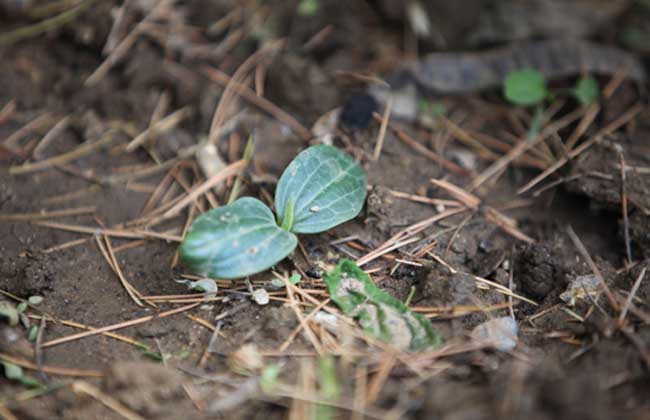
In Shandong it is called diaogua, and in Northeast China it is called wogua. It is edible, comes in orange-yellow and green varieties, and has a flattened round or irregular gourd shape. The immature fruit has crisp skin and dense flesh and can be used in dishes or as filling; the mature fruit is sweet and mealy and can be used to make porridge. It is grown most widely in Northeast China. Now let us take a look at how to plant pumpkin seeds!
Pumpkin seed disinfection
Seed disinfection: Before soaking the seeds, choose a sunny day to sun-dry the pumpkin seeds. Seed disinfection should be done before soaking. The methods for disinfecting pumpkin seeds are as follows:
1. High-temperature sterilization: Put the seeds into warm water at 55°C and soak for 10 minutes, stirring constantly until the water temperature reaches 30°C, keeping the seeds evenly heated. The amount of hot water should be about 5 times the amount of seeds. Then continue soaking the seeds for 3-4 hours. This can prevent pumpkin mosaic virus disease.
2. Chemical sterilization: Soak the seeds in clean water for 4-5 hours, remove them, then soak them in 1% copper sulfate for 5 minutes, or soak the seeds in 0.1% potassium permanganate for about 30 minutes, or soak the seeds in a 100-fold solution of 40% formaldehyde for 20 minutes, or soak the seeds in a 500-fold solution of 70% thiophanate-methyl or 50% carbendazim wettable powder for 30 minutes. This can prevent anthracnose. Then rinse them clean with water, drain slightly, and prepare to place them in a bed for sprouting. Mixing the seeds with 90% trichlorfon powder before direct sowing can prevent damage to the seeds by ants and underground pests.
Pumpkin seed sprouting
The optimum temperature required for pumpkin germination is 28-30°C. If conditions permit, a constant-temperature incubator can be used for constant-temperature sprouting. Wrap the soaked seeds in a wet cloth and place them in a 28-30°C constant-temperature incubator.
Pumpkin seeds can be sprouted using an electric blanket. Lay out a usable electric blanket flat, and place a layer of cotton quilt or similar material under the electric blanket to help keep warmth. Then lay the prepared plastic film flat on the electric blanket. After disinfecting a towel or similar item for sprouting with boiling water, wring it dry by hand (it is best when no water drips when the towel is wrung by hand but water seeps out between the fingers), and spread it on the plastic film. Drain the soaked and disinfected pumpkin seeds slightly and spread them flat on the towel.
Direct sowing in the field
For direct sowing in the field, the land can be prepared in the winter of the previous year and sufficient base fertilizer applied. In February or March of the following spring, bury the pumpkin seeds. Because the vines grow long and growth is fast, fertilizer should be applied as a top dressing during April, May and June, and attention should be paid to watering. Pumpkin management is relatively extensive. Because the root system is well developed and roots form at the leaf nodes, attention should be paid to hilling soil so that nutrients can be absorbed. One pumpkin plant can produce many branches. To avoid dispersing nutrients too much, pruning is needed. Keep 2-3 main vines per plant, and according to soil fertility and vine growth, remove the terminal buds after several fruits have set.
As long as the soil is fertile and water and fertilizer are applied regularly, pumpkins generally set one fruit every 3-5 leaves. If too many fruits are kept, they will not grow large. Axillary buds are very likely to grow at the leaf axils of the fruit, so attention should be paid to removing them; otherwise, they compete with the fruit for nutrients, causing the fruit to wither and drop due to insufficient nutrients.