How to Grow Edible Cactus? A Detailed Explanation of Cultivation Techniques
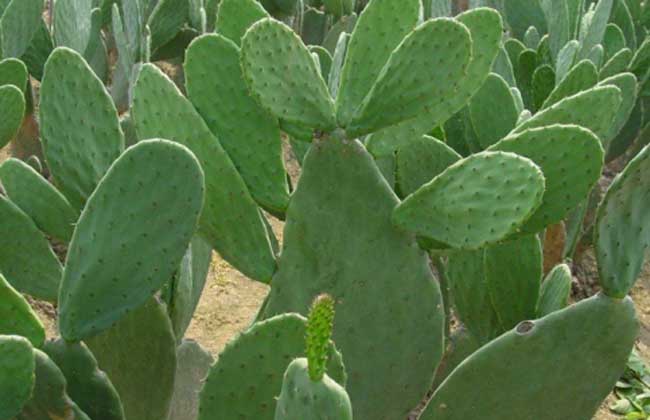
Cactus, also known as xianbazhang, dragons tongue, guanyinzhang, and other names, originated in the tropical arid desert regions of the Americas. It has many varieties and a very wide distribution. According to statistics, there are more than 2000 species in 140 genera of cactus worldwide. Mexico is the main distribution area of cactus, with extremely rich plant resources, and enjoys the title of the Kingdom of Cactus. Edible cactus is a new variety developed through years of selection that can be used as a vegetable, fruit, and medicine. Edible cactus ranks fifth in vegetable production in Mexico, making it one of the widely eaten vegetables.
Growth Habits
Edible cactus is a perennial plant that likes sunlight, is drought-tolerant, and tolerates poor soil, but is not cold-resistant and dislikes waterlogging; the stem pads have few or no spines, and the stem segments are flat, oval or elliptical in shape, with pad areas of about 15 cm × 40 cm.
Edible and Medicinal Value
According to analysis results from Chinas Vegetable System Engineering Technology Research Center: the nitrogen content and crude protein content of Milpa Alta cactus are basically on par with vegetables such as head cabbage, lettuce, and cucumber, making it a vegetable with relatively low protein content. The contents of water-soluble amino acids, cellulose, vitamin C, β-carotene, and soluble sugars are all not particularly high. The organic acids are mainly citric acid and malic acid, and no oxalic acid was detected; the contents of potassium, calcium, copper, iron, manganese, strontium, and silicon are all at relatively high levels compared with other vegetables; the contents of flavonoids (rutin, quercetin) and polysaccharides are relatively high, making it a vegetable with development potential.
Because edible cactus contains various minerals as well as citric acid, malic acid, vitamins, cellulose, and other substances, it has the effects of promoting qi and blood circulation, clearing heat and detoxifying, promoting metabolism, and lowering blood sugar and blood lipids; in particular, it does not contain oxalic acid, which is extremely beneficial for the human bodys absorption of calcium, making it an excellent choice for calcium supplementation in children and middle-aged and elderly people. In addition, during cultivation, pests and diseases occur very rarely, so few pesticides are used, making it a truly green food.
Cultivation Techniques
Edible cactus is rough-growing and easy to cultivate, with strong resistance and few pests and diseases. Once planted, it can be continuously harvested for many years, and has advantages such as saving time, labor, and cost.
1. Site selection: For planting edible cactus, it is best to choose sandy soil fields with good drainage, fertile soil, and sufficient sunlight.
2. Planting period: Edible cactus can be planted in all four seasons, but the most suitable temperature for planting is 20-30°C, and the survival rate can reach more than 95%. When planting, the soil should not be too wet. If the soil is too wet, anaerobic microorganisms in the soil will multiply in large numbers, causing the seed stems to rot and reducing the survival rate, so planting is prohibited on rainy days. Before planting, place the cut new pads in the sun to dry until the wounds lose water and become dry, then disinfect and sterilize with lime sulfur mixture, and they are ready for planting.
3. Planting specifications: When planting, beds are required. The bed width (including furrows) is 1.2 m, and the height is 15-25 cm. Apply sufficient decomposed organic fertilizer. Planting specifications: 2 rows per bed, plant spacing 40 cm, row spacing 60 cm, 1600-1800 pads planted per mu, planting depth is 2/5 of the cactus pad, and the pad direction faces the sun (that is, east-west), so that both sides of the pad can receive sufficient sunlight in the morning and afternoon, which is beneficial to photosynthesis.
4. Fertilizer and water management: Keep the soil moist after planting. When the buds of the seedlings grow to 6 cm after planting, the first fertilization can be carried out; the second fertilization is after harvest to promote continued sprouting of the cactus. When fertilizing, it is best to apply decomposed organic fertilizer. During the dormant period, the cactus does not need any fertilizer.
5. Earthing up: During the growth process of cactus, as the weight of the aboveground part increases, soil should be earthed up in time to prevent the plants from lodging.
6. Pest and disease control: According to trial planting observations, edible cactus has very few pests and diseases. If bacterial diseases are found, fungicides can be used for control, and for insect pests, insecticides can be used for control. Both can achieve good results.
7. Harvesting: For stem pads used as vegetables, they can be harvested within one and a half months after sprouting. The older the stems and leaves, the higher the acidity; the more tender the stem pads, the lower the acidity. Harvesting too early affects yield, while harvesting too late increases acidity. In production, attention should be paid to timely harvesting. Stem pads used for planting require a growth period of more than 6 months, so that the survival rate can be guaranteed when planting.
In addition, when the temperature drops to 5°C, insulation work should be done well. Below 0°C, edible cactus is prone to freeze damage. For insulation, measures such as nylon film or straw mulching can be used.