How to Plant Cucumber Seeds? Detailed Guide to Sowing Methods and Growing Techniques
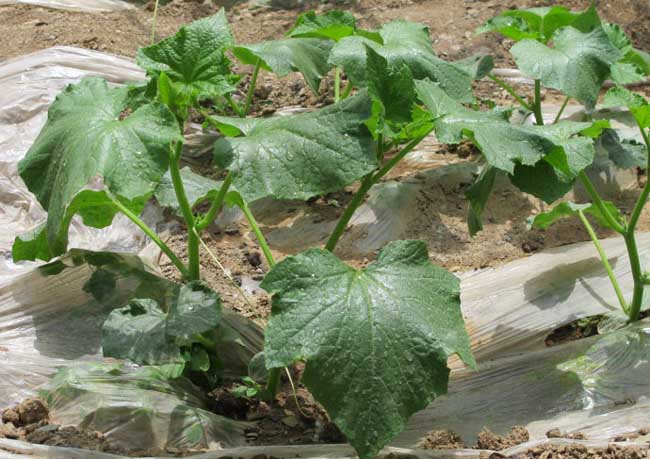
How to plant cucumber seeds? Cucumbers are usually grown through sexual reproduction (seed propagation), but because cucumber sap contains certain plant alkaloids, organic acids and other substances that inhibit growth, they have an inhibitory effect on seed germination. If the seeds are not treated before sowing, they will be difficult to germinate even after sowing. Below, the editor will explain how to plant cucumber seeds!
Selecting Cucumber Seeds
For cucumber seed varieties that have been grown in previous years, growers can choose them with confidence, because the growing and harvesting results of these varieties are already clear. However, for seed varieties that have not been tried before, it is best to plant them on a small scale first, and only sow them on a large scale if the germination effect and growth condition are relatively satisfactory. In addition, before sowing, it is best to first test the germination rate and germination vigor of the purchased seeds. Cucumber seeds with strong germination vigor sprout quickly and uniformly, and only when the germination rate reaches above 90% do they meet the planting requirements and ensure the harvest effect.
Of course, different varieties of cucumber seeds adapt differently to different cultivation conditions. Some are suitable for open-field cultivation, and some are suitable for greenhouse cultivation. When purchasing cucumber seeds, friends should analyze specific situations specifically and choose varieties suitable for planting.
Cucumber Seed Treatment
According to surveys of various infectious cucumber diseases, about 34.6% of seed-borne diseases are transmitted by seeds, mainly including anthracnose, scab, black spot, bacterial angular leaf spot, etc. Therefore, seeds should be disinfected before sowing. There are many disinfection methods, among which the heat sterilization method is relatively good. It has the advantages of simple operation, a broad sterilization spectrum, safety for seeds, environmental friendliness, and cost savings, and is suitable for broad use by farmers.
1. Warm water pre-soaking: First soak the cucumber seeds in room-temperature water for 4 hours. After removing them, soak them in hot water at 55°C, using heat to sterilize and disinfect for 15 minutes, then remove them and put them into cool water to cool down, then transfer them to germination or sowing. The precaution is to strictly observe the required water temperature and time.
2. Seed disinfection: Seed disinfection is the most economical and effective method for preventing and controlling many infectious diseases and insect pests, and is an indispensable measure for preventing seedling-stage diseases and insect pests. Because the amount of pesticide used in seed treatment is very small, and the time until cucumber harvest is long, there is almost no problem of pesticide residue, so it is also an important measure advocated for use in the production of pollution-free vegetables.
① Seed coating: Seed coating agents contain fungicides and insecticides that kill seed-borne diseases and underground pests, as well as trace element fertilizers and plant growth regulators that can promote seed germination and cucumber growth. At present, some commercial seeds have already been coated before leaving the factory, and such seeds do not need further disinfection treatment when used.
② Hot water seed soaking: Hot water seed soaking uses the difference in heat tolerance between dry seeds and pathogens, killing pathogens on the seed surface through high temperature. Put the dry seeds into warm water at 55-60°C, stir continuously, and keep adding hot water to maintain the water temperature at 55-60°C for 10 minutes. When the temperature drops to 28-30°C, continue soaking the seeds for 4-6 hours, wash them clean, and then germinate them.
③ Chemical seed soaking: First, soak the seeds in 800 times dilution of 72.2% Previcur AS or 25% metalaxyl WP for 20 minutes, which can prevent and control fungal diseases at the cucumber seedling stage. Second, soaking seeds in 500 times dilution of 50% thiram WP for 20 minutes can prevent and control anthracnose and stem blight. Third, coating and disinfecting with 2.5% Celest suspension seed coating agent can not only kill pathogenic fungi lurking in the seed coat, but also penetrate into the interior of the seed to kill pathogenic fungi that have invaded the seed interior, effectively preventing and controlling damping-off, rhizoctonia rot and other diseases at the seedling stage of cucurbits. Fourth, to prevent viral diseases caused by virus-carrying seeds, seeds can be soaked in 10% trisodium phosphate solution for 20 minutes. Fifth, soaking seeds in 500 times diluted liquid of 1 million units agricultural streptomycin for 2 hours can prevent and control bacterial diseases.
No matter which chemical is used for seed soaking, after soaking the seeds must be washed with clean water to prevent phytotoxicity.
Seed Soaking and Germination
1. Seed soaking: After hot water seed soaking or chemical seed soaking, soak the seeds again at 25-30°C for 4-6 hours, so that the seeds absorb water equal to 50-60% of their dry weight. Then rub and wash off the mucus on the seed coat with your hands, remove germination-inhibiting substances, float off impurities and shriveled seeds, and rinse them clean with clean water.
2. Seed germination: Wrap the soaked seeds in clean wet gauze, then wrap them on the outside with a wrung-out wet towel, and place them at 25-30°C for germination. Wash them with warm water 1-2 times every day, and continue germinating after washing. At 25-30°C, they will germinate in 16-20 hours. The germinated seeds can be picked out in batches for sowing, or placed under conditions of 5-8°C, and sown together after all have sprouted.