What is the difference between shiitake and winter mushroom? This article will help you tell them apart
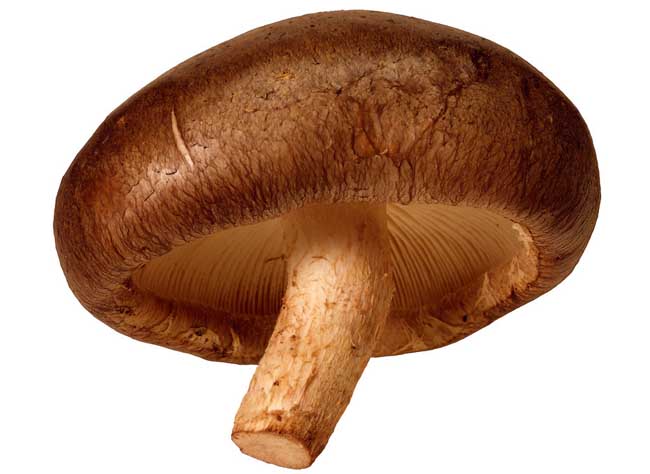
Many people cannot tell what winter mushroom is and what shiitake is, and what about the flower mushroom commonly seen on the market? These foods all look more or less the same on the outside, but the names really leave people confused about what is going on. What is the difference between winter mushroom and shiitake? Is winter mushroom a kind of shiitake? Let us find out together below.
The difference between winter mushroom and shiitake
From the outside, there is actually no obvious difference between shiitake and winter mushroom, and in fact the difference between the two is not great. If one wants to distinguish the two, then shiitake is the general term, while winter mushroom is merely one kind of shiitake. In many places, shiitake is also called winter mushroom. So if winter mushroom is one kind of shiitake, what other kinds of shiitake are there?
Shiitake includes three common types of mushrooms: flower mushroom, winter mushroom and xiangqin. The three look similar and have similar nutritional value, differing only in quality. Flower mushroom is also made from shiitake through special processing, while xiangqin is what remains after flower mushroom and winter mushroom have been selected out, and its quality is inferior.
1. Flower mushroom: Flower mushroom is a type of mushroom and is the star among mushrooms. Flower mushroom gets its name because its cap surface has a pattern. The cap surface of flower mushroom is light black, the pattern cracks open in a burst of white, and the gills underneath turn light yellow after being processed by charcoal fire roasting. Flower mushroom grows fast in winter; the colder the weather, especially on snowy days, the higher its yield and the better its quality, with especially thick flesh. Flower mushroom can be cooked together with fish and meat, or braised lightly with chicken fat and superior stock.
2. Winter mushroom: The quality of winter mushroom is second only to flower mushroom. The cap surface of winter mushroom is black, its gills are also light yellow, its flesh is relatively thick, like the rim of a copper gong, and the texture is relatively tender; it is crisp and delicious to eat, and its uses are roughly the same as those of flower mushroom.
3. Xiangqin: Xiangqin is the lowest-grade variety of shiitake. Xiangqin is fully spread open, or mostly spread open, not so tender, and not very crisp; its quality is far inferior to that of flower mushroom and winter mushroom. If xiangqin is finely processed, it is light yellow and very thin, so some people call it yellow thin. Xiangqin is very thin and lighter after drying, and its price is cheaper than flower mushroom and winter mushroom.
The nutritional value of winter mushroom and shiitake
From the above we have learned that winter mushroom is in fact one kind of shiitake, and their nutritional value is the same. So below let us learn about the nutritional value of shiitake, which is likewise learning about the nutritional value of winter mushroom.
And what nutrients does the dried shiitake we commonly eat have? The edible portion of dried shiitake accounts for 72%; every 100 grams of edible portion contains 13 grams of water, 1.8 grams of fat, 54 grams of carbohydrates, 7.8 grams of crude fiber, 4.9 grams of ash, 124 mg of calcium, 415 mg of phosphorus, 25.3 mg of iron, 0.07 mg of vitamin B1, 1.13 mg of vitamin B2 and 18.9 mg of nicotinic acid. As for fresh mushrooms, apart from containing 85-90% water, the solid matter contains 19.9% crude protein, 4% crude fat, 67% soluble nitrogen-free substances, 7% crude fiber and 3% ash.
Shiitake is rich in provitamin D, but has very little vitamin C, and also lacks vitamin A and provitamin A. The lentinan contained in shiitake can increase the activity of helper T cells and thus enhance the body's humoral immune function. A large amount of practice has proved that winter mushroom has a wide range of cancer prevention and treatment and has been used in clinical treatment. Shiitake also contains a variety of vitamins and minerals, and has a great effect on promoting human metabolism and improving the body's adaptability. Shiitake also has a therapeutic effect on diabetes, pulmonary tuberculosis, infectious hepatitis and neuritis, and can also be used for indigestion, constipation, weight loss and so on. Shiitake contains water-soluble umami substances and can be used as a food seasoning; its main components are nucleic acid components such as 5'-guanylic acid.
The dietary therapeutic effects of winter mushroom and shiitake
The nutrition and components of winter mushroom and shiitake are the same; it can also be said that the two are the same thing, so we can consider their dietary therapeutic effects to be the same. So what dietary therapeutic effects does eating shiitake or winter mushroom have on the human body?
1. Many ancient books record that shiitake “benefits qi without causing hunger, treats wind and breaks blood stasis, and benefits the stomach and aids eating”. It is used among the people to help reduce the onset of smallpox and measles, and to treat headache and dizziness.
2. Regular consumption of shiitake is beneficial for preventing rickets in humans, especially infants, caused by blood phosphorus and blood calcium metabolism disorders due to vitamin D deficiency, and can prevent various mucosal and skin inflammatory diseases in humans.
3. The lentinan in shiitake can increase and promote the production of T lymphocytes, and increase the killing activity of T lymphocytes, improving the body's immune function.
4. The water extract of shiitake has a scavenging effect on hydrogen peroxide, has a certain eliminating effect on hydrogen peroxide in the body, and can slow aging.
5. Shiitake contains purines, choline, tyrosine, oxidase and certain nucleic acid substances, which can lower blood pressure, lower cholesterol and lower blood lipids, and can also prevent diseases such as arteriosclerosis and cirrhosis.
6. The cap portion of shiitake contains double-stranded ribonucleic acid, which after entering the human body produces interferon with anticancer effects, and can fight cancer.
7. Shiitake also has a therapeutic effect on diabetes, pulmonary tuberculosis, infectious hepatitis and neuritis, and can also be used for indigestion, constipation and so on.
Dietary taboos of winter mushroom and shiitake
Whether we are talking about winter mushroom or shiitake, from the above we can learn that both are very rich in nutritional content and have a certain health-care effect on the human body after eating. However, when eating shiitake or winter mushroom, one should still pay attention to the following dietary taboos.
1. Shiitake is a wind-moving food, and patients with intractable skin pruritus should avoid eating it. Patients with cold-dampness and qi stagnation of the spleen and stomach or skin pruritus should also avoid eating it.
2. Shiitake is rich in biochemical substances; eaten together with tomato, which contains carotenoids, it will destroy the carotenoids contained in tomato and reduce the nutritional value.
3. Shiitake contains vitamin D, and river crab is also rich in vitamin D; eating the two together will make the vitamin D content in the human body too high, causing an increase in calcium, and long-term consumption can easily cause stone symptoms.
4. Shiitake + donkey meat = easily causes abdominal pain and diarrhea.
5. Shiitake + quail meat, quail eggs = prone to black spots on the face.
6. Shiitake + river crab = easily causes stone symptoms.
7. Shiitake contains vitamin D, and river crab is also rich in vitamin D; eating the two together will make the vitamin D content in the human body too high, causing an increase in calcium, and long-term consumption can easily cause stone symptoms.
8. Shiitake + tomato = destroys carotenoids and reduces nutritional value.