What are the differences between flower shiitake and shiitake? This article helps you tell the two apart
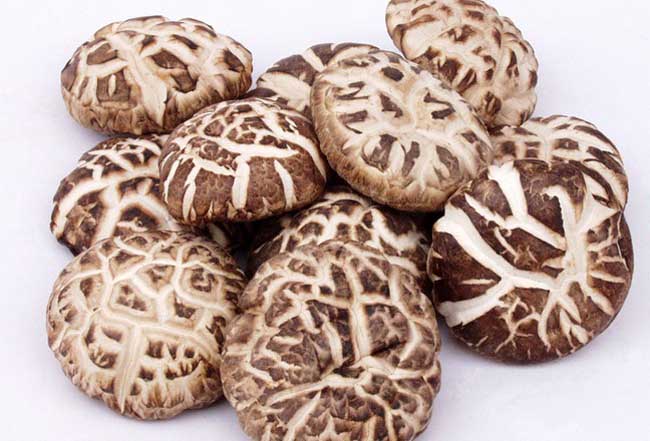
Flower shiitake and shiitake sound like they differ by just one character, but the two are actually very different. Do not treat flower shiitake and shiitake as the same food, and especially do not use them interchangeably when cooking. In some cases, using flower shiitake is better than using shiitake, while in other cases shiitake is more suitable for cooking. Therefore, when cooking flower shiitake and shiitake, distinguish them mainly by the taste of the food and their dietary therapy value.
Flower shiitake has relatively high temperature requirements. Only when the corresponding temperature is reached can shiitake successfully transform into flower shiitake. If the temperature conditions are not met, it easily fails. Therefore, flower shiitake is rarer than shiitake and more expensive, while shiitake is easier to buy; it is actually a general term for flower shiitake.
Flower shiitake is the star among mushrooms. The top surface of flower shiitake is light black, the mushroom cracks open in a burst pattern and are white, and the base of the mushroom is light yellow. Flower shiitake gets its name because its top surface has patterns. The colder the weather, the higher the yield of flower shiitake and the better the quality: thick-fleshed, tender, delicious, and with a crisp texture when eaten. Flower shiitake is a new standout among edible fungi developed in modern times. It is shiitake that, during the production process, has its normal growth and development artificially altered by controlling natural conditions such as temperature, humidity, light and ventilation, causing the cap to form brown-and-white alternating patterns, thus forming flower shiitake. No pesticides, fertilizers or any hormones are used in the production of flower shiitake, and it is free from any pollution, so it can meet organic food standards. As for the difference between flower shiitake and shiitake, flower shiitake is deeply welcomed by people at home and abroad for its rich nutrition and its effects in preventing disease, promoting health and delaying aging.
Flower shiitake is only produced from shiitake that emerges in winter (winter mushroom). Only after the weather turns cold and then suddenly warms up on a certain day can it crack open. Its requirements for weather are relatively high, so it is precious. Also, because the weather is especially suitable, the mushroom can grow well and therefore tastes better. In fact, the best shiitake is grown on wood (few people do this now, as yields are low and quality is hard to guarantee). What we see now is all bag-cultivated shiitake, whose taste and aroma are far inferior. If flower shiitake were made from basswood, it would be comparable to bird's nest and shark fin.
Low temperatures or fluctuating temperatures give good stimulation to the formation of fruiting bodies. For example, just before mushrooms emerge, if they encounter a low temperature of around 0°C (snow is even more ideal), then it turns warm, or if the weather alternates hot and cold, centered on 15°C, with the daily temperature fluctuating between 5-20°C, or if the daytime temperature is relatively high (20°C) and the nighttime temperature is relatively low (10°C), under such temperature conditions, high-quality flower shiitake or winter mushroom will form.
Shiitake is the world's second-largest edible fungus and one of China's local specialties. Among the people it has long been known as "mountain treasure." It is a fungus that grows on wood. It tastes delicious, has an invigorating aroma and is rich in nutrients, and has long enjoyed the reputation of "queen of plants." Shiitake is rich in B vitamins, iron, potassium and provitamin D (which converts to vitamin D after sun exposure). It is sweet in taste and neutral in nature. It mainly treats reduced appetite, lack of energy and fatigue.
Although flower shiitake is precious, it is expensive and not easy to produce successfully, while shiitake is a delicious food with good quality and low price, its taste is not bad, and it also has many edible benefits. Therefore, when flower shiitake is unavailable, using shiitake as the main ingredient or auxiliary ingredient in cooking is also fine. It can likewise promote longevity, support health and wellness, and play a role in strengthening the body.