Where are the main production areas of lion's mane mushroom (Hericium erinaceus) distributed?
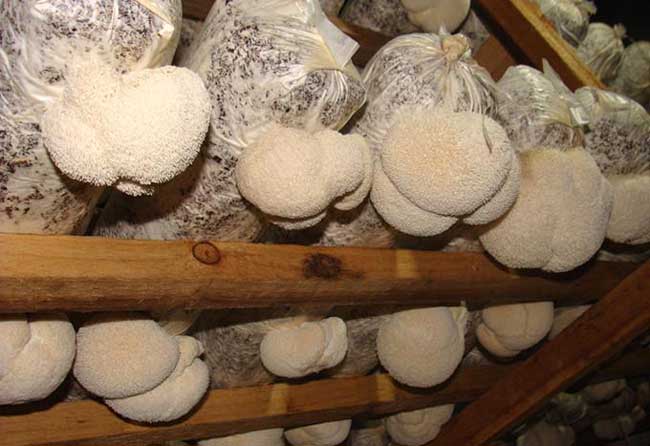
The lion's mane mushroom gets its name because its shape resembles a monkey's head. It has high edible and medicinal value, but few people truly understand its production areas. So where exactly are the production areas of lion's mane mushroom? Let's learn about them together below!
Production area distribution of lion's mane mushroom
1. International distribution: Lion's mane mushroom is a precious variety among edible mushrooms. Wild lion's mane mushroom mostly grows on dead parts of tree trunks such as oak trees, and prefers low humidity. Its production areas are distributed very widely, with production in many countries around the world, from subtropical to subarctic zones, and it prefers temperatures of 8-20°.
2. Domestic distribution: Lion's mane mushroom is distributed in basically every province in China, with production in the northeastern provinces and Henan, Hebei, Tibet, Shanxi, Gansu, Shaanxi, Inner Mongolia, Sichuan, Hubei, Guangxi, Zhejiang and other provinces (autonomous regions), among which the Greater Khingan Mountains in the northeast, the Tianshan and Altai Mountains in the northwest, the Hengduan Mountains in the southwest, and the Himalayan forest areas in Tibet are especially abundant.
Therapeutic value of lion's mane mushroom
1. Medicinal properties: Neutral in nature, sweet in taste. It benefits the five internal organs and aids digestion; it has the effects of strengthening the stomach, tonifying deficiency, fighting cancer, and nourishing kidney essence;
2. Composition: Contains volatile oils, proteins, polysaccharides, amino acids and other components. It has an inhibitory effect on mouse sarcoma 180; in vitro it has an inhibitory effect on Ehrlich ascites carcinoma cells, can inhibit the synthesis of their deoxyribonucleic acid, and prevent the incorporation of thymine deoxyribonucleotide and uracil nucleotide, with the strength of its effect related to its concentration.
3. Uses: For weakness of the spleen and stomach, and indigestion. In modern times it is also used for neurasthenia; gastric and duodenal ulcers, superficial gastritis, chronic gastritis; esophageal cancer, stomach cancer, intestinal cancer, and digestive tract tumors. Eating it often can activate collaterals and promote blood circulation to prevent the occurrence of Alzheimer's disease.