What is the best time to plant garland chrysanthemum?
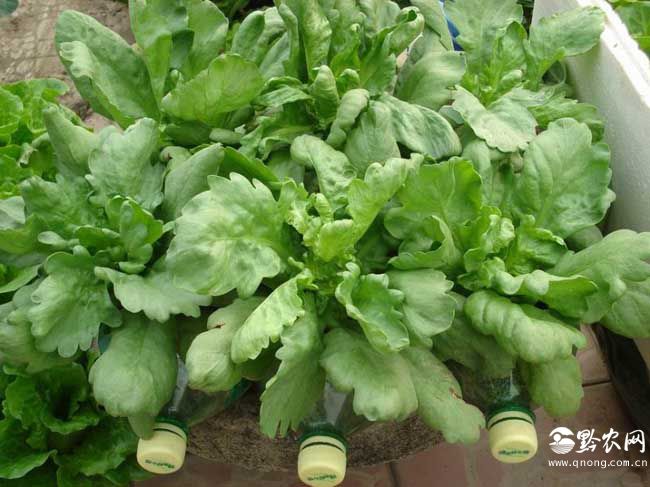
Garland chrysanthemum, also known as ponghao and haocai, originated in China. The edible part is the tender stem, which is nutritious, low in fiber, of excellent quality and with a unique flavor. It is a niche vegetable variety and an indispensable refreshing dish for the fast-food industry, hot pot restaurants and buffets. Garland chrysanthemum is not only pleasant in flavor but also easy to cultivate, with fast growth and a short cycle, and can be grown as a preceding or following crop to the main crop in protected fields, as well as in intercropping, relay intercropping and gap-filling cultivation.
Planting time for garland chrysanthemum
The entire garland chrysanthemum plant has a distinctive fresh aroma and a unique repellent effect on pests and diseases, so it is rarely sprayed with pesticides and is an ideal pollution-free vegetable. It is a semi-cold-tolerant vegetable, and grows well in cool and mild conditions with soil relative humidity maintained at 70%-80%. Under suitable temperatures, it can be sown year-round, and in recent years protected cultivation in winter, spring and autumn has become increasingly common. After sowing, it is generally harvested in 40-50 days, and when temperatures are low, the growing period is extended to 60-70 days.
1. Planting time: generally spring and autumn cultivation is best. In the south, it can be cultivated in all three seasons of spring, autumn and winter.
2. Sowing method: direct seeding is possible, and seedling transplanting can also be used, but direct seeding is mostly used. Evenly scatter the seeds on the growing medium, cover with soil about 1 cm deep after sowing, water thoroughly, and keep warm and moist. Seedlings emerge in 4-5 days, and when the seedlings grow to 2-3 true leaves, thinning is needed.
3. Sowing containers: when growing garland chrysanthemum on a balcony, rooftop or in a courtyard, the cultivation containers that can be used include flower pots, wooden basins, professional growing boxes, foam plastic boxes, etc., and the cultivation layer depth should preferably be 20 cm.
How to grow garland chrysanthemum
1. Temperature: the optimum growth temperature for garland chrysanthemum is 17-20°C. In early spring, the weather is still relatively cool and accompanied by late spring cold spells, so after sowing, the seedbed surface needs to be covered with plastic film or old greenhouse film, with the edges pressed down with soil to protect against cold and keep warm. When the weather turns warm, uncover the film before the seedlings emerge and push up against it. When the temperature in protected cultivation exceeds 25°C, open the ventilation openings to let air in.
2. Thinning and weeding: when the seedlings grow to about 10 cm, thin the small-leaf varieties to a spacing of 3-5 cm between plants and rows, and thin the large-leaf varieties to a spacing of about 20 cm, while removing weeds.
3. Watering and fertilizing: start watering after the seedlings emerge, and control the timing and frequency of watering flexibly, with the standard being to keep the soil moist. Apply a quick-acting nitrogen fertilizer once 10-15 days before each harvest, applying 15 kg of potassium nitrate and about 8 kg of urea per mu.
Pest and disease control for garland chrysanthemum
Pest and disease control for garland chrysanthemum should mainly start with agricultural control: fertilize and water reasonably, avoiding drastic fluctuations; keep temperature management from fluctuating sharply; create a good ecological environment, promote healthy plant growth, reduce pest and disease damage and pesticide application, and maintain ecological balance.
Harvesting method for garland chrysanthemum
When the seedlings grow to 18-20 cm tall, the small-leaf varieties are cut once close to the ground, the soil on the roots is washed off, and they are tied into small bundles for market. Harvesting of large-leaf garland chrysanthemum is more flexible: it can be harvested all at once, or sown once and harvested multiple times. At harvest, leave 4-5 leaves at the base of the main stem or 1-2 side branches, pinch off or cut with a small knife the upper tender main branches or side branches, and tie them into bundles for market, pinching once about every 20 days. After each harvest, water and fertilize promptly to promote the sprouting of side branches.