How to Plant Tomato Seeds? A Detailed Guide to Sowing and Raising Seedlings
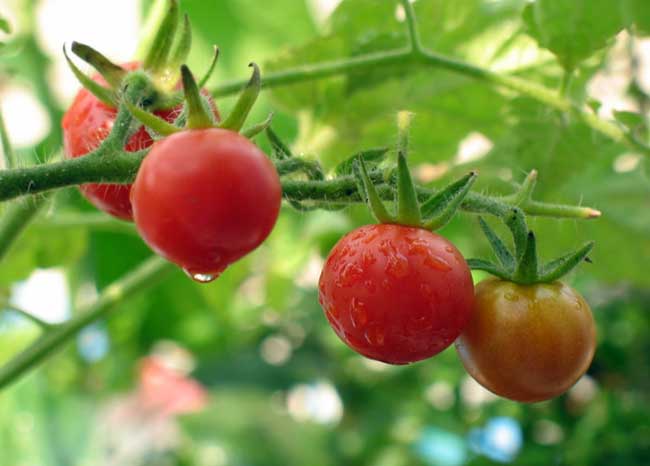
Do you know how to plant tomato seeds? This takes some growing skill, otherwise your tomatoes will not grow well. The editor has also planted quite a few tomatoes, and they have always grown well. Below, the editor of Qiannong Network will explain how to plant tomato seeds.
Growing Environment Requirements for Tomatoes
1. Temperature: Tomato is a warmth-loving vegetable. Under normal conditions, the optimum temperature for assimilation is 20-25°C, and the optimum soil temperature for root growth is 20-22°C. Raising the soil temperature not only promotes root development, but also significantly increases the nitrate nitrogen content in the soil, accelerating growth and development and increasing yield.
2. Light: Tomato is a light-loving crop, with a light saturation point of 70000lx and a suitable light intensity of 30000-50000lx. Tomato is a short-day plant. In the process of changing from vegetative growth to reproductive growth, it basically requires short days, but the requirement is not strict. Some varieties can bud and bloom earlier under short days, while most varieties flower earlier and grow robustly under 11-13 h of sunlight.
3. Water: Tomato needs a fair amount of water, but it does not need frequent heavy irrigation. Generally, a soil humidity of 60-80% and an air humidity of 45-50% are suitable. High air humidity not only hinders normal pollination, but also leads to severe disease under conditions of high temperature and high humidity.
4. Soil and nutrition: Tomato is not very strict about soil conditions, but to obtain a high yield and promote good root development, a deep, well-drained, fertile loam rich in organic matter should be chosen. The suitable soil pH is 6-7. Soil that is too acidic or too alkaline should be improved.
How to Plant Tomato Seeds
1. Take the small tomato seeds that have been spread on paper and already dried, and before planting, place them under the blazing sun for another day (to eliminate bacteria and viruses and increase the germination rate), then break up the seeds that have stuck together into individual seeds for later use. This is a key step in how to plant tomato seeds and cannot be omitted.
2. Turn over and rake flat a wind-sheltered, sunny seedling soil "bed" that is rich in humus, fertile, loose, and of suitable size, then spread a layer (20 mm thick) of fine soil sifted through a 5X5 mm sieve on top.
3. First spray the seedling bed evenly with clean water until thoroughly wet, then evenly scatter the small tomato seeds on the seedling bed, then set up arched bamboo frames, cover them well with plastic film, and press the edges firmly with stones and soil (to retain moisture and heat).
4. After 3-5 days (depending on temperature), the seeds will sprout. After the cotyledons emerge, open the plastic film once in the morning and once in the afternoon during the day to give them fresh air.
5. When the true leaves appear, carefully spray them once with a light manure and urine water fertilizer using a watering can to promote growth.
6. When the soil in the seedling bed becomes short of water, replenish it promptly with a watering can.
With this method, in less than a month you can take the seedlings and transplant them into the planting field (use a flat shovel to cut down one cun deep of seedling soil to take the seedlings, and transplant them with soil to help them turn green earlier). Now that you understand how to plant tomato seeds, you can also try planting according to the editor's experience and see how it works. I hope you can taste tomatoes you have grown yourself.