Detailed Explanation of Pepper Cultivation Techniques: Mastering the Key Points of Cultivation and Management
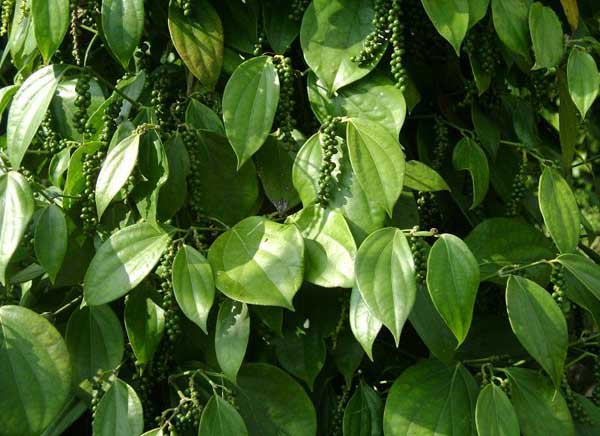
Pepper is an important spice crop native to India, also known as Guyue, Heichuan, and Baichuan. It is both a commonly used seasoning and possesses certain medicinal properties. Pepper is warm and hot in nature and can dispel cold. Pepper has antiseptic and antibacterial effects, and it can neutralize the toxins of fish, shrimp, and meat. There are many varieties of pepper, which can be broadly classified into two types: large-leaf varieties and small-leaf varieties (with stronger resistance).
Growth Habits of Pepper
Pepper grows in shaded forests. It grows slowly and is tolerant of heat, cold, drought, wind, and pruning, and is easy to transplant. It is not tolerant of waterlogging. The best cultivation soil is fertile sandy loam, with good drainage and adequate light. It is cultivated in Taiwan, China, Fujian, Guangdong, Guangxi, and Yunnan provinces and regions. It is native to Southeast Asia and is now widely planted in tropical regions.
Pre-Planting Preparation for Pepper
1. Selection and planning of the pepper plantation site. Pepper fears waterlogging, so gentle slopes, well-drained flat land, and soil with good permeability should be selected for planting. The area of the pepper plantation should not be too large; generally 3-5 mu is suitable. The pepper plantation is best rectangular, oriented east-west, with windbreak forests or retained native forest belts around it. The pepper plantation should have a drainage system to remove standing water. Dig a large ditch 2 m from the windbreak and 2.5 m from the pepper plants around the plantation, with a ditch width of about 100 cm and a depth of 80 cm; within the plantation, set up a longitudinal ditch about every 15 plants, 60 cm wide and 50 cm deep; set up small ditches between rows, interconnected to facilitate drainage and reduce water damage and disease.
2. Land clearing. First mark out the windbreak belt, then deep plow 30 cm, and thoroughly remove tree stumps, roots, debris, etc. from the plantation. For slopes below 5°, build large terraces with a surface width of 6 m for planting two rows. For slopes above 5°, build small terraces for planting one row. Dig a small drainage ditch on the inner side of the terrace. On flat land, gentle slopes, and large terraces, ridge planting can also be used, which is beneficial for drainage and disease prevention. Planting holes should be 80 cm wide and 60 cm deep; when digging holes, keep topsoil and subsoil separate. After sun-drying for one month, backfill the soil, apply 30 kg of fully decomposed, clean, finely crushed organic fertilizer and 0.25-0.5 kg of superphosphate, mix thoroughly with the topsoil and firm it, and make a mound, ready for transplanting.
3. Digging holes. Generally, plant spacing is 2×2.5-3 m; for fertile soil, 2×3 m can be used; for poor soil, 2×2 m can be used. Holes should be 80 cm wide and 60 cm deep; when digging holes, keep topsoil and subsoil separate. After sun-drying for one month, backfill the soil (topsoil first); before backfilling, apply 5 kg of Nuobio organic fertilizer (or 10 kg of fermented and decomposed organic fertilizer containing phosphorus), mix thoroughly with the topsoil and firm it, and make a mound, ready for transplanting.
4. Support posts. Nowadays, stone posts are generally used. They are 12-15 cm thick and about 2.5-3 m long (including 50-70 cm buried in the soil). Trees that provide support for pepper to climb and grow are called living supports. Currently used living supports include Erythrina, Pterocymbium, Randia, Sterculia, areca palm, coconut, jackfruit, etc. When using living supports, attention should be paid to pruning and fertilizer management. Another type of support is the stone post. Generally, stone posts are 13-15 cm thick at the base and 10-12 cm thick at the top, about 3 m long (including 70 cm buried in the soil), and relatively uniform in size. If the diameter of the stone post near the ground is less than 12 cm, it is easily broken by strong typhoons.
Propagation and Seedling Cultivation of Pepper
Pepper propagation is divided into sexual propagation and asexual propagation. Asexual propagation is mainly cutting propagation, which is the most commonly used propagation method in production. Sexual propagation is only used for breeding and selection and is rarely used in production, so sexual propagation is not discussed here.
1. Seedbed preparation. Choose a wind-sheltered environment, flat land or gentle slope, close to a water source, with fertile soil and good drainage, sandy loam as the seedling bed. One month before seedling cultivation, perform deep plowing and fine harrowing, remove stones and impurities, fully sun-dry the soil, level and refine it, then make beds 100-120 cm wide and 25-35 cm high, with ditches 40 cm wide; the length of the bed depends on the length of the seedling site, and drainage ditches should be dug around the perimeter.
2. Cutting propagation. Select normally growing 1-2.5-year-old young plants as mother plants. From May to June, cut from the mother plants main vines with a vine age of 4-6 months, vine thickness of 0.6 cm or more, well-developed active aerial roots at each node, free of pests, diseases, and mechanical damage, and with the top two nodes each bearing one branch and 12-15 leaves. Then cut them into 30-40 cm long cuttings with 5-7 nodes, leaving two branches on each cutting and removing excess branches. Cuttings should be cut and trimmed promptly; dip the cut ends in water or soak the lower vine nodes without branches in water for 15-20 minutes. It is best to cut and cultivate seedlings on the same day. Cutting and seedling cultivation should be carried out on cloudy days or in the afternoon on sunny days when the temperature drops and light weakens. Open furrows on the prepared seedling bed surface at a row spacing of 25-30 cm, then place the cuttings on the surface at 8-10 cm intervals, making the aerial roots cling tightly to the slanted soil surface, keeping the first node below the top exposed above ground, then cover with soil from bottom to top (using soil from digging the second row), firm it, and water promptly. Watering should be done immediately after planting. Finally, build a shade frame over the bed, maintaining 80-90% shade, to create a humid and cool environment and improve the survival rate.
3. Seedling management. During pepper seedling cultivation, nursery management should be strengthened. On sunny days, water once a day to keep the soil moist. After the cuttings root (generally 10-15 days), the frequency of watering can be gradually reduced to once every 2-3 days. During the first 20-25 days of seedling cultivation, when the cuttings have grown new roots and the top two nodes begin to grow, they can be dug up and transplanted into the pepper plantation. If the seedling period is too long, the roots will be numerous and long, and the new vines will be slender, making it easy to damage roots and vines during transplanting and affecting survival and growth. When lifting seedlings, first soak the seedbed thoroughly before digging to avoid root damage. Cut off excessively long roots and new vines, leaving only 5-10 cm and 2-3 nodes of the new main vine to facilitate plant growth. It is best to dig and transplant on the same day.
4. Cutting seedling cultivation in nutrient bags. Nutrient bag seedlings are convenient for long-distance transport and can improve the transplant survival rate. When seedlings are to be sold or the nursery is far from the pepper plantation, it is best to grow nutrient bag seedlings.
① Preparing nutrient soil: Nutrient soil preparation is the key to cultivating nutrient bag seedlings. The quality of nutrient soil preparation directly affects the growth, development, and quality of the seedlings. The substrate used for preparing nutrient soil depends on the conditions around the nursery. Generally, forest soil mixed with wood ash and an appropriate amount of calcium superphosphate is used, with a ratio of 10:1:0.2, to make the nutrient soil sufficiently nutritious to meet the nutrient requirements during the seedling stage. In conjunction with preparing the nutrient soil, spray with a 300-fold carbendazim solution or a 500-fold thiophanate-methyl solution for soil disinfection.
② Bagging the nutrient soil: Sieve the prepared nutrient soil through a fine iron sieve with 0.8×0.8 cm mesh, mix the materials evenly, fill them into plastic film bags measuring 10×13 cm, then place them neatly on the seedling bed. The number of bags placed should be based on convenience of management; generally 20 bags per row is suitable. Bags should be filled full and placed upright, pressed tightly together without gaps. After the seedling bed is filled, surround the bags around the bed with soil to a height of half the bag height to maintain moisture and temperature in the bed. Generally, 110,000 bags are placed per mu.
③ One to two days after the nutrient soil bags are filled and placed, cuttings can be inserted. When inserting, use a small wooden stick to make a small hole in the bag, and insert the prepared cutting along the hole. Then gently press the bag soil with your hand so that the nutrient soil fully contacts the cutting, and water promptly. Water immediately after inserting, and thereafter water every other day or every 2-3 days. After the cuttings sprout and root, ensure the bags remain moist and meet the water requirements for growth. Finally, build a shade frame over the bed surface, maintaining 80-85% shade, to create a humid and cool environment and improve seedling survival rate.
Pepper Cultivation Techniques
1. Transplanting: Carry out on cloudy days or in the afternoon on sunny days in spring and autumn. Transplanting is suitable on cloudy days and in the afternoon on sunny days. Do not transplant when soil moisture is too high. Cover with grass, provide shade, and water thoroughly to settle the roots. Use a 1000-fold Zhongzhibao solution for watering, i.e., 1 bottle cap (1 L bottle) per 10 kg of water. After establishment, watering can be gradually reduced.
2. Transplanting method. The transplanting direction should be consistent with the direction of the terraces. When transplanting, dig a hole 20 cm from the support post, 30 cm deep, with a 50° slope, and firm it. When planting a single seedling, place the seedling facing the post; when planting double seedlings, place the seedlings facing the post in a “V” shape. The upper 1-2 nodes of each seedling should be exposed above the soil surface, and the seedling roots should cling tightly to the slope, distributed evenly and extending naturally, then cover with soil and press firmly. Apply 5 kg of decomposed organic fertilizer on both sides of the seedlings, then backfill soil to form a mound with a pot-bottom shape in the middle, cover with grass, provide shade, and water thoroughly to settle the roots. A shade level of 80%-90% is suitable. Water once every 1-2 days after planting; after establishment, watering can be gradually reduced. Shade must be maintained for one year after transplanting; never let the sun damage the pepper head and cause seedling death. If any plants die after transplanting, replant promptly. When pepper seedlings produce new vines, install support posts promptly. In addition, pay attention to loosening the soil, weeding, fertilizing, and tying vines.
3. Fertilization
① Fertilization for young pepper should mainly use water-soluble fertilizer rich in nitrogen, combined with organic fertilizer and a small amount of chemical fertilizer, following the principle of frequent light applications and more applications during the peak growing season. Apply organic fertilizer and phosphate fertilizer in spring. Apply 30 kg of decomposed cow dung compost and 0.5 kg of superphosphate per plant, and carry out hole expansion and soil improvement in conjunction with fertilization. Apply alternately in holes on both sides of the plant and in front of the pepper head. The first fertilizer hole should be on one side of the pepper head, with the inner wall 60 cm from the pepper head, connecting the fertilizer hole with the transplanting hole. The fertilizer hole should be 30 cm wide, 80-100 cm long, and 70 cm deep. When fertilizing, first backfill topsoil to half the hole, then apply fertilizer, mix the topsoil and fertilizer thoroughly, and when backfilling, press firmly and leave slightly above ground level to prevent water accumulation in the fertilizer hole. Hole expansion and soil improvement should be completed before the plant stops growing and produces flowers.
② During normal growth, apply water-soluble fertilizer once every 20-30 days. Water-soluble fertilizer is made by composting human and animal manure and urine with green leaves. For one-year-old pepper, apply 2-3 kg per plant each time. If the water-soluble fertilizer concentration is low, add 0.2 kg of compound fertilizer per carrying pole. Water-soluble fertilizer is generally applied alternately in trenches in front of and on both sides of the plant. Before each vine cutting, apply a better-quality water-soluble fertilizer and strengthen with 0.1 kg of compound fertilizer per plant to promote plant growth. In winter, fast-acting nitrogen fertilizer should generally not be applied. Potassium fertilizer and compound fertilizer should be applied, 0.1 kg per plant, or burnt soil can be applied, 10-15 kg per plant, to improve the plant's cold resistance.
③ Fertilization for fruiting trees: It should be based on the nutrient requirements of pepper at each phenological stage of flowering and fruiting. Generally, fertilize 4-5 times per fruiting cycle. The approximate amount per plant is: 30-40 kg of cow dung or compost, 1 kg of cake fertilizer, 40-50 kg of water-soluble fertilizer, 0.2-0.3 kg of urea, 1.5 kg of superphosphate, 0.4 kg of potassium chloride, and 1 kg of compound fertilizer.
Management of the Pepper Plantation
1. Training and pruning. At present, in the main pepper-growing areas of China, the training method generally used is to retain 6-8 vines and cut vines 4-5 times. After transplanting, the plants are topped at 2-3 years and enter production with relatively high yield. When young and medium pepper plants produce new vines, excess buds and branches should be removed promptly. When the canopy of fruiting pepper is too large and the branches are too dense, old and weak branches and water sprouts at the top must be pruned away, and overly long outer branches should be shortened, maintaining balance between the upper and lower canopy, uniform size, and ventilation and light penetration, so as to make full use of light energy and reduce disease occurrence.
2. Tying vines and removing flowers. For young and medium pepper, tying vines promptly can make aerial roots well-developed and firmly attach to the support post. When new vines grow 3-4 nodes, tie vines once every 10-15 days. Use soft hemp fiber to tie several main vines evenly distributed on the support post below the nodes, trying to make each node of the main vines cling tightly to the post. In the direction of post replacement, the distance between main vines should be wider to facilitate future replacement of the support post. For fruiting pepper, tie vines 1-2 times per year, tying once every 50-60 cm with plastic rope. Pepper can flower and fruit throughout the year. Young and medium pepper must have flowers removed to allow normal plant growth. For two-year-old plants, when the canopy reaches more than 120 cm, the lower flower spikes can be retained to bear fruit, but fertilizer management must be strengthened to ensure normal plant growth and fruiting pepper. In Hainan Province, generally only spring flowers are retained; in areas with lower humidity, generally spring flowers and summer flowers are retained. Flower spikes produced in other seasons should all be removed.
3. Pepper fears waterlogging. During the rainy season, drainage work in the pepper plantation must be done promptly. In dry seasons, irrigate promptly. Sprinkler irrigation is best. For ridge-cultivated plants, furrow irrigation can also be used. The water level in furrow irrigation must not exceed 2/3 of the furrow, allowing it to seep in slowly. Generally, flooding irrigation should not be used, to prevent water damage and disease spread.
Pepper Disease Control Techniques
There are 31 diseases of pepper in China, among which the main diseases are pepper anthracnose, pepper bacterial leaf spot, pepper mosaic virus disease, pepper wilt disease, and pepper root-knot nematode disease. Secondary diseases include anthracnose, root rot (red root rot, brown root rot, purple root rot), etc.
1. Pepper foot rot
Pepper foot rot, also known as pepper base rot, rapid decline disease, and black water disease, is the most important pepper disease in pepper-growing regions worldwide. It was first discovered in 1926 in Sundaram, India, and subsequently occurred in Indonesia, Malaysia, Cambodia, and some countries in South America and Africa. In Sarawak, Malaysia, major epidemics occurred multiple times, causing heavy pepper yield reductions and forcing seriously diseased pepper plantations to be abandoned. In Hainan Province, China, a large-scale epidemic of pepper foot rot first occurred in 1960, destroying large areas of pepper plantations; the pepper area was not restored until 1969, but from 1970 to 1972 it was again damaged by pepper foot rot, and 78% of pepper plantations were destroyed by this disease, causing serious losses to China's pepper production. This disease also occurs in pepper-growing areas of Guangdong, Yunnan, and Guangxi.
Symptoms: The root system, base of the main vine, branches and vines, leaves, flowers, and fruits of pepper plants are all affected. In the later stage, the outer bark turns black, rots, and falls off, and black liquid flows out from the rotted xylem (hence the name black water disease). In plants where the base of the main vine is diseased and rotted, the entire leaf canopy becomes lusterless, the leaf color is dull, and the plant appears dehydrated, with leaves wilting and falling off. If the weather is dry and hot, such diseased plants may suddenly wilt within a few days, finally turning black together with the tender vines, and the dead tender vines may fall off node by node.
Epidemic pattern: The epidemic of pepper foot rot is closely related to the soil type, topography, cultivation measures, and rainfall conditions of that year in the pepper plantation. Generally, early and severe disease occurs in heavy clay soil, poorly drained areas, or low-lying waterlogged areas; conversely, disease is mild in sandy soil with good drainage. In pepper plantations that are too concentrated and lack windbreak forests, or where the pepper head is twisted and injured when replacing posts and tying vines, or where weeds are removed in diseased plantations on rainy days, or where diseased plants are not removed promptly and fungicides are not sprayed preventively, epidemics are often likely to occur in rainy years, especially in years with many typhoons. The disease begins to appear on a few plants from March to April each year, and August to November is the epidemic period of foot rot.
Control methods:
① Site selection and plantation establishment: New pepper plantations should have good land planning and basic farmland construction. That is, choose land with good water permeability and easy drainage for planting pepper; pepper plantations should not be too concentrated, and the area of each pepper plantation should be 3-5 mu, with windbreak forests planted around; terraces or contour ridges should be built within the plantation, and perimeter drainage ditches and small inter-row drainage ditches should be dug to prevent pathogen spread through flowing water; plant pepper on soil mounds in low-lying areas.
② Use disease-free seedlings: Do not cut vines from diseased plantations as cutting material, and seedlings should be raised in disease-free plots.
③ Strengthen tending and management: Weeding and fertilizing should be done on sunny days, and care should be taken not to injure the pepper head and root system; properly prune branches and vines close to the ground to reduce humidity at the pepper head and reduce infection of lower leaves; timely earth up so that the pepper head is above ground level, preventing water accumulation at the pepper head and pathogen invasion through flowing water; promptly remove dead branches, fallen leaves, and diseased and dead pepper heads from the plantation; do not apply excessive nitrogen fertilizer; plant cover crops between rows in the pepper plantation or use dry grass as dead mulch to reduce pathogen spread through flowing water and rain splash.
④ Timely grasp the disease situation and isolate diseased areas: During the epidemic season, especially during typhoon rain periods, assign personnel to inspect the disease situation in each plantation. Once diseased plants are found, apply fungicides promptly, and blockade and isolate the diseased area, prohibiting entry by people and livestock. Farm tools used in diseased areas should not be brought to disease-free plantations. During field management, work in disease-free plantations first, then diseased plantations. When the soil is wet on rainy days, stop agricultural activities such as weeding and fertilizing in diseased plantations to reduce human-mediated spread.
⑤ In the early stage of disease onset, spray 1% Bordeaux mixture or 100-fold 40% fosetyl-aluminum wettable powder on the central diseased area (plants) and surrounding plants, and spray 1% copper sulfate solution or 1% Bordeaux mixture on the soil between rows in the diseased area. Promptly dig out dead diseased plants, transport them outside the plantation and burn them, and the soil in disease holes should be dug open and sun-dried or drenched with 1% copper sulfate solution for disinfection.
2. Pepper bacterial leaf spot
Pepper bacterial leaf spot is one of the important diseases in pepper-growing areas. In 1962, it began to occur sporadically in some pepper plantations in Hainan Province, China, and after 1966 the disease gradually became common and severe. In the early 1970s, it became epidemic on a large scale in Wanning County, Hainan Province. Severely diseased plants lost all leaves, and branches and vines dried up and lost production capacity, until the entire plant died. On one severely diseased farm, the disease rate among 36 pepper plantations was 73.8%, the death rate was 35.5%, and yield decreased by 50%, causing serious economic losses to pepper production.
Symptoms: This disease occurs in pepper plantations of all ages. It is more common in large and medium pepper plants. Leaves, branches, vines, inflorescences, and fruit spikes are all affected, mainly attacking mature old leaves. In the early stage of leaf infection, water-soaked lesions appear, which after a few days become purplish-brown, round or polygonal lesions. The lesions enlarge, or multiple lesions merge into one large grayish-white lesion. At the boundary between diseased and healthy tissue there is a purplish-brown dividing line, with a yellow halo at the edge. Under humid conditions, bacterial ooze appears on the lesions on the underside of the leaves, and after drying it becomes a gelatinous film. When branches and vines are affected, the pathogen mostly invades through internodes or wounds, producing irregular purple lesions; when the diseased branch is cut open, the vascular bundles can be seen to be discolored. When fruit spikes are infected, purplish-brown round lesions first appear, and later the entire fruit spike turns black. When leaves, branches, flowers, and fruits are severely diseased, they all tend to fall off, leaving only the bare main vine, which eventually also dries and dies. In addition to harming pepper, this pathogenic bacterium also infects Piper betle, Piper sarmentosum, and other Piperaceae plants.
Epidemic pattern: During the year, in the dry season with little rain and low relative humidity, only scattered diseased leaves occur in the field; when the rainy season begins and rainfall increases, relative humidity is high, and dew is heavy, a large number of new lesions appear. The lesions expand rapidly. Generally, about one month after a relatively large rainfall event, a disease peak appears. If a short period of drought occurs, newly infected diseased leaves decrease markedly, and the disease declines, manifesting as multiple disease peaks within one year. Rainfall and high temperature are the main conditions for the occurrence and epidemic of this disease. In particular, the large amount of damage to pepper plants caused by typhoon rainstorms favors the spread and invasion of the pathogenic bacteria. If continuous rain follows the wind, this disease will accumulate and become epidemic. Disease is likely in pepper plantations with heavy clay soil, poor drainage, too dense plant and row spacing, and high air humidity. In pepper plantations without windbreak forests, plants on the windward side are especially severely diseased.
Control methods:
① Do a good job in pepper plantation planning and basic construction. Pepper plantations should not be too concentrated; an area of 3-5 mu is suitable. Plant windbreak forests around, and dig drainage ditches inside and outside the pepper plantation.
② Plant disease-free seedlings. Strictly prohibit introducing seedlings from diseased areas; cultivate and plant disease-free pepper seedlings.
③ Inspect for disease regularly and promptly eliminate central diseased plants. Before the rainy season arrives, all diseased leaves infected with bacterial leaf spot in the plantation should be picked off and burned in a centralized manner. After rain, inspect promptly. When diseased plants are found, remove diseased leaves promptly, and spray 1% Bordeaux mixture or 100-fold 40% fosetyl-aluminum (aluminum ethylphosphonate) wettable powder on the diseased plants and adjacent plants. The ground around diseased plants should also be sprayed for disinfection at the same time, with several consecutive sprays. For severely diseased plants with too many diseased leaves that are difficult to remove manually, spray 1% copper sulfate solution to promote defoliation of the entire plant, then increase fertilizer application and provide appropriate shade to help them recover growth. For some severely diseased plants with severe defoliation and exposed upper branches and vines, the upper branches and vines can also be completely cut off, leaving 1/2 of the plant, then increase fertilizer application and strengthen tending management. During the epidemic period, Bordeaux mixture or aluminum ethylphosphonate solution can be sprayed regularly on diseased pepper plantations, once every 10-14 days, for several consecutive sprays.
3. Pepper wilt disease
Pepper wilt disease, also known as chronic wilt disease, chronic decline disease, and yellowing disease, is an important disease second only to pepper foot rot. In the late 1920s and early 1930s, severe yellowing (wilt) disease occurred on Bangka Island, Indonesia, causing the loss of 22 million pepper plants, with a loss rate of 90%. India lost 10% of its pepper plants to wilt disease, Guyana lost 30%, and Malaysia and Brunei also suffered serious losses. In Brazil, pepper wilt disease caused by Fusarium solani causes more serious losses than pepper foot rot and is the number one disease in Brazilian pepper production. In the past ten years, pepper wilt disease has also occurred successively in some pepper plantations in Wenchang, Qionghai, Wanning, Danzhou, Qiongzhong, Baisha, Ledong and other counties and cities in Hainan Province, China, and in the Zhanjiang area of Guangdong Province. Most cases occur in fruiting pepper plantations. Its distribution area is wider than that of pepper foot rot, and the loss of pepper plants it causes generally reaches 5%-15%, with a trend of increasing year by year.
Symptoms: The general manifestations of infected plants are leaf chlorosis, yellowing, poor vigor, and plant stunting; in severe cases, the entire plant appears wilted and declining. In the aboveground part of diseased plants, initially some leaves lose luster and gradually turn yellow, followed by most leaves turning yellow; some yellow leaves wilt, droop, and fall off, tender branches die back, and flower spikes shrink; eventually the entire plant wilts and dies. In the underground part of diseased plants, first the small roots become discolored and rot, or near the soil surface, if too many and difficult to remove manually, spray 1% copper sulfate solution to promote defoliation of the entire plant, then increase application at the slightly discolored stem base, and the vascular bundles begin to turn brown; next, the lateral roots turn black and necrotic; in severely diseased plants, the stem base and main root rot and die, and in humid conditions pink mold grows at the stem base. The difference between pepper wilt disease and pepper foot rot is: although some pepper foot rot plants also show yellow leaves and wilting symptoms, the entire plant dies rapidly. In contrast, pepper wilt disease often takes half a year to several years from partial leaf yellowing and wilting to the death of the entire plant. Some wilt-diseased plants show half of the aboveground part dead while the other half still survives, showing slow decline symptoms. Pepper foot rot plants mostly occur on the main vine within 20 cm above and below the ground surface, and the root system near the infected underground main vine becomes diseased, black, and rotted, gradually spreading to the root system, while the lower roots are not yet affected at this time; whereas pepper wilt disease first infects the small roots and then gradually spreads upward.
Epidemic pattern: Both climatic and soil factors affect disease occurrence. High temperature and alternating dry and wet climate favor infection and expansion of this disease. Soil pH below 6, sandy soil or sandy loam, low fertility, poor drainage, loose soil structure, poor permeability of the subsoil, and fields with a relatively large number of nematodes all favor the occurrence of this disease.
Control methods:
① Pay attention to selecting planting sites and establish a good irrigation and drainage system for the pepper plantation, preventing both soil waterlogging and soil drought.
② Select disease-free healthy seedlings for planting.
③ Fertilize rationally, apply sufficient base fertilizer, increase organic fertilizer application, and do not apply excessive chemical fertilizer. The base fertilizer at planting, especially burnt soil, should not contact the root system; for topdressing, use rotted organic fertilizer to avoid fertilizer damage.
④ In pepper plantations with a large number of nematodes, nematicides should be applied to reduce root damage by nematodes and lower the incidence of wilt disease.
⑤ For early wilt-diseased plants, spray and drench with “Miejunling” at 1:250 dilution, once every 7-10 days, for 3 consecutive applications. Or drench with 40% carbendazim and thiram at 1:1:500 dilution.
4. Pepper root rot
Symptoms: The aboveground part of infected plants shows stagnant growth, leaf chlorosis, yellow wilting, and defoliation; in severe cases, the entire plant dies. On the surface of the roots (underground vines and roots) of diseased plants there are rhizomorphs and fungal films. Based on the color and morphological characteristics of the rhizomorphs and fungal films on the affected roots, they can be classified as red root rot, brown root rot, and purple root rot.
Red root rot: On infected roots, a layer of mud and sand adheres to the surface. After washing the roots with water and removing the mud and sand, a red to jujube-red fungal film can be seen on the root surface.
Brown root rot: The surface of diseased roots has adhering mud and sand, is uneven, and is not easy to wash off. Between them are rust-colored velvety mycelium and a dark brown thin and brittle fungal film. After peeling off the bark layer, honeycomb-like brown patterns are present in the xylem.
Purple root rot: At the base of the main vine, a purple, soft, sponge-like fungal film (fruiting body) is commonly seen clinging tightly. The surface of diseased roots does not have adhering mud and sand, but is covered with dense dark purple rhizomorphs.
Control methods:
① When clearing pepper land, thoroughly remove diseased tree stumps and roots.
② Do not use susceptible tree species (such as Casuarina equisetifolia, Acacia confusa, Pterocymbium, Delonix regia, etc.) as pepper support posts or windbreak tree species. If wooden posts are used, the bark should be peeled off, and the part buried underground should be charred by fire or coated with coal tar; stone posts or reinforced concrete posts are best. Used old support posts should be treated before reuse.
③ Handling of diseased plants. Carefully dig open the soil around the pepper head of diseased plants, scrape off the diseased parts with a small knife, sun-dry for 2-3 days or apply fungicide, and fill back new topsoil. After scraping treatment, severely diseased trees should be properly pruned of aboveground branches, vines, and leaves.
Pepper Pest Control Techniques
In foreign pepper-growing areas, there are important pests that damage pepper fruits, leaves, stem nodes, and roots, such as the pepper fruit borer weevil and the pepper stem borer weevil, which have not yet been found on pepper in China. At present, the common pepper pests in China's growing areas include mealybugs, mirid bugs, aphids, and slug moths, causing certain losses to pepper production.
1. Long-tailed mealybug
This pest damages pepper leaves and newly emerging tender shoots. After the damaged leaves grow, they have persistent chlorotic spots. After young fruits are damaged, they stop growing and eventually fall off.
Control methods: ① Spray 0.1%-0.3% dimethoate solution; ② protect and utilize natural enemies such as gall midges and lady beetles.
2. Citrus mealybug and striped mealybug
These two mealybugs damage pepper tender shoots and fruit spikes.
Control methods: ① Remove wild parasitic Erythrina within and around the pepper plantation, and do not use Erythrina as support posts; ② spray 500-fold 40% dimethoate solution.
3. Root mealybug
This pest damages pepper roots. Its nymphs and female adults live on pepper roots. After pepper plants are damaged, they show reduced vigor and yield loss in mild cases, and root rot and entire plant death in severe cases.
Control methods: Burying p-dichlorobenzene in the soil 5 cm below the soil surface beside plant roots has a certain control effect.
4. Citrus black citrus aphid
Citrus black citrus aphid, also known as tea black citrus aphid, in addition to damaging pepper, also damages tea, coffee, cocoa, cashew, banana, pineapple, and many other crops. Its adults and nymphs suck the sap of pepper tender shoots, tender leaves, and fruits, causing leaf curling and wrinkling, tender shoot death, and inducing sooty mold.
Control methods: ① Citrus black citrus aphid has many important natural enemies, which should be well protected and utilized. ② Before or at the initial stage of large outbreaks in winter and spring, spray 800-1000-fold 40% nicotine sulfate solution; adding 0.3% soap can increase the control effect. When aphids break out, spray 5000-7000-fold 2.5% cyhalothrin EC, 1000-2000-fold 24% methomyl (Lannate) aqueous solution, or 1000-fold 40% dimethoate EC.
Physiological Diseases of Pepper
Physiological diseases of pepper include deficiency symptoms of various nutrient elements, fertilizer damage, water damage, and other physiological abnormalities. Because the manifestations of such physiological diseases are often easily confused with the symptoms of parasitic diseases, thereby affecting the correct diagnosis of the causes of these diseases and the adoption of targeted control measures, and thus affecting control effectiveness, it is very necessary to recognize and master the different manifestations of such physiological diseases.
1. Nitrogen deficiency: When nitrogen is deficient during shoot growth, leaf color turns yellow-green, leaves are small, shoots are short, flower spikes are short, and seed-setting rate is low. When nitrogen is deficient after leaves mature, leaves uniformly chlorose, often fall early, and fruits become smaller and ripen early. However, when nitrogen nutrition is excessive, branches grow excessively, leaves become hypertrophic, flower spike development is poor, flower quantity is low, and sometimes physiological fruit drop is severe.
2. Phosphorus deficiency: Newly matured leaves are blue-green to dark green, leaf tips and margins later become necrotic, root growth is poor, and flower spike development is abnormal.
3. Potassium deficiency: The tips and margins of older leaves become necrotic, the texture becomes brittle, and dieback of the top may also occur. However, excessive potassium often causes magnesium deficiency in plants.
4. Magnesium deficiency: The leaf margins and tips of older leaves are light yellow, the areas between veins turn yellow, the main veins remain green, and later necrotic spots appear between small veins; the necrotic spots enlarge and merge into necrotic patches. Leaves fall off. Magnesium-deficient plants defoliate severely, with only a small number of immature chlorotic leaves at the branch tips; fruits become smaller, fruit drop occurs, and even branch dieback and node separation may appear. High-yielding pepper plantations are prone to magnesium deficiency, which can be corrected by applying calcium magnesium phosphate fertilizer or magnesium sulfate.
5. Calcium deficiency: The margins of younger leaves chlorose, and many small brown necrotic spots appear on them; the necrotic spots enlarge, and each spot has a yellow halo around it. There are brown necrotic areas between the main veins on the underside of the leaves, and leaves fall prematurely. Sometimes vine tips show dieback.
6. Manganese deficiency: Interveinal chlorosis occurs in young leaves, and later the chlorotic areas change from light yellow to brownish-yellow, and leaves fall off.
7. Sulfur deficiency: Young leaves are light green to silvery white, later turning uniformly yellow, with numerous necrotic spots on them; later black necrotic areas form at leaf tips, leaves fall before maturity, vine tips die back, and plant growth is stunted.
8. Iron deficiency: Interveinal chlorosis occurs in the top 2-3 young leaves and gradually spreads to lower leaves. Fine veins chlorose, while green bands remain along the main veins. Leaves fall before maturity, and plant growth is stunted.
9. Copper deficiency: Interveinal chlorosis occurs in young leaves, later spreading to the entire leaf including the veins. Dark brown necrotic spots form at leaf tips and margins, leaves curl downward, defoliation occurs, and plant growth is inhibited.