What factors affect the profitability of pepper cultivation?
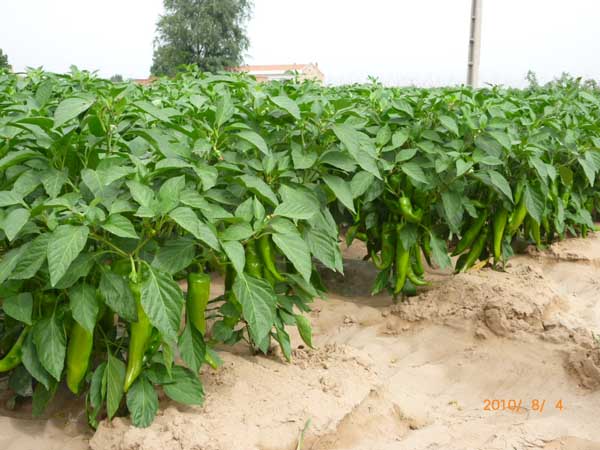
In pepper cultivation, you first need to carry out a basic analysis of the factors that affect the profitability of pepper cultivation, and then bring each basic factor into its optimal state of development; only then can the economic returns of farmers growing peppers be effectively improved. So what exactly are the factors that affect the profitability of pepper cultivation?
1. Seeds. Farmers growing peppers cannot do without pepper seeds. Seeds are divided into self-bred varieties and hybrid varieties. Because self-bred varieties are cultivated over a long period, the varieties degenerate, have poor disease resistance, and low yields. Hybrid varieties are planted only once and the seed cannot be saved, but they have strong drought resistance, waterlogging resistance and disease resistance, and high yields. When choosing pepper seeds, farmers should choose hybrid varieties as much as possible.
2. Land. Farmers growing peppers cannot do without land. Whether the land is fertile or poor directly affects the input of chemical fertilizer and the quality and yield of peppers. Fertile field soil requires less fertilizer and lower input, and the pepper yield and quality are high. When growing peppers, farmers should choose relatively fertile field soil as much as possible, preferably field soil that has never grown peppers; they can also rotate with rice, growing peppers this year and rice next year, which helps improve the quality and yield of peppers.
3. Fertilizer. “For crops to bloom, fertilizer must rule the room.” Fertilizer is an indispensable factor for farmers growing peppers. Fertilizers include chemical fertilizer, farmyard manure, biological fertilizer, compound fertilizer, foliar fertilizer, etc. Different fertilizers have different functions and different prices, and produce different effects. When growing peppers, farmers should use as much as possible biological fertilizer and farmyard manure, which are conducive to the production of pollution-free peppers and organic peppers, and use less single chemical fertilizer.
4. Pesticides. Pesticides are an indispensable factor for farmers growing peppers. During pepper cultivation, farmers should use as little pesticide as possible or none at all. If pesticides must be used, it is best to use Chinese herbal medicine pesticides, biological pesticides, or pesticides with low toxicity and low residues, and to weed by hand, so as to make the peppers meet pollution-free and organic pepper standards as much as possible.
5. Sunlight and water. “Rain and dew nourish the seedlings strong; all things grow relying on the sun.” Water and sunlight are indispensable factors in pepper cultivation. When growing peppers, farmers should as much as possible adopt wide-and-narrow row cultivation in an east-west direction, plant at a reasonable density, and make full use of sunlight. Choose field soil with a good water source to prevent drying out, and dig ditches around large fields to prevent waterlogging.
6. Technology. When different people grow the same peppers on the same plot of land, the quality and yield of the peppers will be completely different because their cultivation techniques, methods and management differ. Pepper cultivation technology is a very important factor for farmers growing peppers. Pepper cultivation technology includes disinfection treatment of pepper seeds, seedling-raising methods (nutrition blocks, nutrition pots, plastic film mulching, floating seedling raising, direct seeding, etc.), transplanting techniques, planting density, scientific fertilization, field management, disease and pest control, harvesting, processing and storage, etc. Each technical step will affect the yield and quality of peppers.
7. Cultivation method. When growing peppers on the same plot of field soil, the yield and quality of the peppers will also differ because different cultivation methods are used. Pepper cultivation methods include plastic film mulching, greenhouse cultivation, open-field cultivation, intercropping, and other models. Farmers can choose, according to their own conditions, a cultivation method that helps improve the economic returns of peppers.
8. Sales. When farmers grow peppers, apart from the part they eat themselves, part also needs to be sold. When selling peppers, farmers must pay attention to market conditions and decide on sales channels according to the variety and quantity of peppers they are selling. A large quantity can be sold directly to pepper processing plants, pepper professional cooperatives, farmers' markets, or supermarkets; a small quantity can be sold to local pepper brokers, or pepper growers can be organized to pool goods together and sell them to pepper processing plants. In short, farmers selling peppers cannot sell blindly: price too high and no one will buy, price too low and you lose out yourself. Learn more about the market, and compare prices at three places so you do not lose out; choose sales channels and methods that help increase your income when selling peppers.
9. Market forecasting. Market forecasting is an indispensable basic factor for farmers growing peppers. Farmers growing peppers must learn to analyze the market and forecast the market, and decide the varieties and quantity of peppers to grow according to market forecasts, so as to reduce the risks brought by the market. If the fresh pepper market is very good this year, the fresh pepper market next year may run into problems; where conditions permit, dry peppers can be grown. If major pepper-producing areas across the country experience natural disasters such as drought, floods or waterlogging, pepper production will decline, and pepper market prices may rise. In short, making a brief analysis of the pepper market based on the supply and demand situation of the pepper market and last year's pepper market prices, and deciding the varieties and area of peppers to grow, helps reduce the risks brought by the market.
10. Prevention and control of natural disasters. Farmers growing peppers will be affected by natural disasters, so prevention and control of natural disasters such as snow and freezing weather, late spring cold, drought, floods and waterlogging must be strengthened. Pay attention to observing weather changes and watch weather forecasts.
The above ten factors will all affect the profitability of pepper cultivation. Only by bringing each basic factor into the most advanced and optimal state of development can the profitability of pepper cultivation be effectively improved.