Key Cultivation Techniques and Methods for Chinese Cabbage Explained
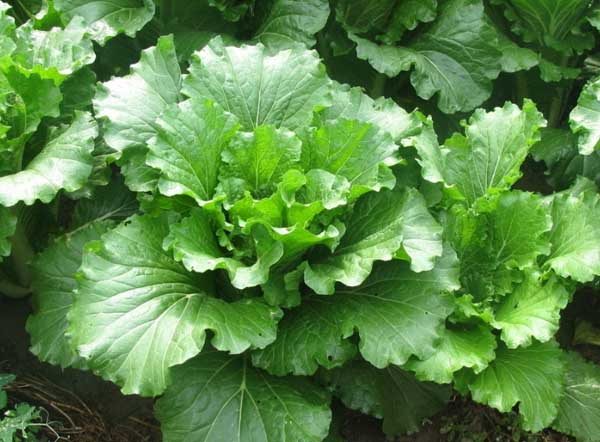
Chinese cabbage originated in northern China and is a leafy vegetable of the genus Brassica in the family Brassicaceae; it usually refers to Chinese cabbage (napa cabbage); it also includes bok choy and the cultivated variety of cabbage known as head cabbage, i.e. "round cabbage" or "western cabbage." It was introduced to the south, and is now cultivated throughout both northern and southern regions. Chinese cabbage has broad adaptability and can be cultivated in all four seasons, but it is grown most in autumn and winter. This article focuses on autumn-winter Chinese cabbage cultivation techniques.
Selection of Garden Plot and Varieties
Although Chinese cabbage has strong adaptability, to achieve high yield, good quality and high efficiency, a plot must be chosen that has loose soil, deep soil layers, good aeration, medium fertility, no water accumulation, convenient drainage and irrigation, no "three wastes" pollution, and easy transport access. At the same time, varieties with high yield, good quality and good market sales should be selected according to the different cultivation seasons. For summer and autumn, generally choose varieties tolerant of high temperature and damp heat such as "Gaokang No. 2," "Xingdian No. 1," and "83-1"; for winter and spring, varieties such as "Xiaoza 56" and "Zaohuangbai" can be chosen.
Sowing Seasons
Chinese cabbage can be sown and cultivated year-round in Wenshan Prefecture, but August-October is best; spring Chinese cabbage is sown in February-March using plastic film mulch cultivation; for summer-autumn sowing from April to July, emphasis should be placed on selecting heat-tolerant, disease-resistant varieties; sowing from November to January of the following year should use heat-preservation cultivation. At the same time, select varieties that are well matched to market demand and variety market conditions.
Land Preparation and Bed Making
After the previous crop is harvested, plow and sun the soil in time, harrow it fine, remove weeds, and level the land. Whether for winter sowing with spring harvest or summer-autumn sowing, high beds should be made, with a bed width of 2 m, a ditch depth of 0.3 m, and a ditch width of 0.3 m.
Sowing
1. Seed treatment. Before sowing, soak the seeds in warm water at 55°C for 15 minutes, then air-dry them and treat with carbendazim seed dressing, or dress with 0.3%-0.4% thiram, chlorothalonil, or metalaxyl. Alternatively, sunning the seeds for 1-2 days before sowing can prevent some diseases.
2. Soil disinfection and seedling-stage prevention. In continuous cropping land or disease-prone areas, mix 70% dexon powder with 20 times dry fine soil and some insecticides (such as chlorpyrifos, deltamethrin, etc.) evenly, and scatter it into the sowing holes. At the seedling stage, spray 75% chlorothalonil wettable powder at 500 times dilution or 20% kuaike wettable powder at 900-1000 times dilution for prevention.
3. Sowing method and density. Use the direct seeding method. After making the beds, make holes and sow in spots according to variety characteristics and soil fertility. Density should be set reasonably according to the variety's traits. For example, "83-1" generally has a plant-row spacing of 40×40 cm, with about 4,000 holes per mu; the Xiaoza series has a plant-row spacing of 35×35 cm, with about 5,000 holes per mu. Sow 5-6 plump seeds per hole, cover the holes with fine manure soil after sowing, and keep the soil moist.
4. Apply sufficient base fertilizer. Use organic fertilizer as the main source and chemical fertilizer as a supplement. Apply 3,000 kg of high-quality decomposed farmyard manure per mu plus 40-80 kg of compound fertilizer, composted together, and apply it all at once in the holes as base fertilizer.
Field Management
1. Timely thinning and final thinning. For plastic film mulch, promptly break the film to expose the seedlings after emergence, and seal the film openings with fine soil. When the seedlings grow to 2-3 leaves, thin out weak, diseased, and mixed seedlings, leaving 2-3 plants per hole. When there are 4-5 true leaves, combine the second thinning with final thinning, selecting and leaving 1 healthy seedling.
2. Cultivation and weeding. Combine thinning and final thinning with cultivation and weeding, using shallow cultivation. During the rainy season, increase the number of cultivations to prevent soil compaction.
3. Irrigation and drainage. In winter and spring, drought makes water shortage likely, so water timely to keep the soil moist; especially during the heading stage, pay even more attention to moderate watering. In summer and autumn, high temperatures and frequent rain require clearing ditches after rain, earthing up, and draining waterlogging, promptly removing accumulated water in the ditches to prevent root rot and dead seedlings and invasion by pathogens. Due to the special geographical location of our prefecture, intermittent drought can also occur in summer and autumn. Because high temperatures cause high evaporation, timely watering should also be done, using early and late watering to lower soil temperature and prevent high-temperature damage.
4. Topdressing. Generally, the two key topdressings should be grasped: at the rosette stage and before heading. This is the key to ensuring high yield of Chinese cabbage. At this time, Chinese cabbage is in a period of rapid growth and the amount of topdressing should be increased, mainly nitrogen fertilizer, with phosphorus and potassium fertilizer added, or regular application of diluted human, livestock, and poultry manure. The specific topdressing measures are: the first time after final thinning, use 1,000 kg of decomposed clear manure water; the second time at the rosette stage, use 1,000 kg of decomposed clear manure water per mu plus 20 kg of urea; the third time is the key topdressing period, namely the beginning of heading, using 1,000 kg of decomposed clear manure water per mu plus 20 kg of urea. In the middle heading stage, spray 1:250 potassium dihydrogen phosphate to strengthen plant resistance, produce vegetables with excellent appearance and internal quality, and increase commodity value.
Pest and Disease Control
Pest and disease control adopts the policy of prevention first and integrated control. When pests and diseases are found in the field, use biological pesticides and efficient, low-toxicity targeted pesticides for control.
1. Viral disease
Viral disease mainly includes cucumber mosaic virus, tobacco mosaic virus, and turnip mosaic virus, as well as viruses transmitted by aphids.
Symptoms: When disease occurs at the seedling stage, the heart leaves show clear veins and chlorosis of leaf veins, then produce uneven dark green mottling or mosaic. When disease occurs early at the adult plant stage, the leaves are severely wrinkled, hard and brittle, and often bear many small brown spots. On the back of the leaves, the main veins develop brown, slightly sunken, necrotic stripe-like spots. The plant is obviously stunted and deformed, and does not head or heads loosely.
Main control measures: Select disease-resistant varieties; adjust vegetable layout and practice reasonable crop rotation; promptly remove diseased plants when found; sow early at the proper time to avoid the seasons of high temperature and rampant aphids; aphid control at the seedling stage is very important, and every possible effort should be made to control virus-transmitting aphids; at the early stage of disease, spray Virus No. 1 emulsion at 500 times dilution, or Virus No. 2 emulsion at 1000 times dilution, or 20% kuaike wettable powder at 900-1000 times dilution, or 3.95% virusbike at 600-800 times dilution for control.
2. Soft rot
Soft rot is a bacterial disease and occurs from the rosette stage to the heading stage. The pathogen overwinters in diseased plant residues and in the bodies of pests, and spreads through rainwater, irrigation water, contaminated fertilizer, and insects.
Symptoms: There are commonly 3 types: the outer leaves appear wilted; at the rosette stage, the plant can be seen wilting at noon on sunny days, but recovering in the morning and evening; after continuing for several days, the outer leaves of the diseased plant lie flat on the ground, the heart or head is exposed, and the pith tissue at the leaf stalk stem or root stem rots; the pathogen invades through wounds at the leaf base, forming a water-soaked lesion that gradually expands and turns pale gray-brown, with the diseased tissue becoming sticky, slippery, and soft-rotted; the pathogen invades through wounds at the leaf base, forming a water-soaked lesion that gradually expands and turns pale gray-brown, with the diseased tissue becoming sticky, slippery, and soft-rotted; the pathogen invades through wounds at the leaf stalk or outer leaf margins, or at the top of the head, causing rot. Under dry conditions, the above three types of symptoms cause the rotting diseased leaves to gradually lose water and dry in the sun, becoming thin-paper-like and closely adhering to the head. The rotting areas all produce a foul hydrogen sulfide odor, which is an important feature of this disease.
Main control measures: As much as possible, choose fields with previous crops of wheat, rice, or legumes for planting Chinese cabbage, and avoid continuous cropping with solanaceous crops, cucurbits, and other brassica vegetables; clear the land and plow early to promote decomposition of diseased residues; use deep ditches and high beds for planting; select disease-resistant varieties; sow at the proper time; treat seeds with chemicals; spray streptomycin sulfate or 72% agricultural streptomycin soluble powder at 3000-4000 times dilution, or 47% kasugamycin-copper wettable powder at 700-750 times dilution. Apply once every 10 days, spraying 3 times in succession.
3. Black spot
Black spot is a fungal disease. The pathogen mainly overwinters as mycelium in diseased plants and seeds, and the following year produces spores that enter through stomata or directly penetrate the epidermis.
Symptoms: It mainly damages cotyledons, true leaves, leaves, and leaf stalks. When leaves are infected, nearly circular chlorotic spots first appear, then gradually expand, with edges pale yellow to dark brown. After a few days, the lesions enlarge and have obvious concentric rings; some lesions have yellow halos, and under high temperature and high humidity they perforate.
Main control measures: Select disease-resistant varieties, disinfect seeds, eliminate diseased plant residues and weeds, apply sufficient base fertilizer, and increase phosphorus and potassium fertilizer to improve plant disease resistance. When diseased plants are found, promptly spray 75% chlorothalonil wettable powder at 500-600 times dilution, or 64% sandofan wettable powder at 500 times dilution, or 58% metalaxyl mancozeb wettable powder at 500 times dilution for control.
4. Chinese Cabbage Tipburn
Chinese cabbage tipburn is a physiological disease, mostly occurring during the heading stage and storage period. The causes of the disease are mostly improper application of chemical fertilizers, saline-alkali soil, poor irrigation water quality, dry weather, and improper cultivation management.
Symptoms: The external appearance of the Chinese cabbage head is normal. After peeling open the head, some leaves can be seen turning dry and yellow from the leaf margins, with the leaf flesh appearing dry and papery. In severe cases, it can gradually develop toward the center, losing commodity value and edible value.
Main control measures: Select disease-resistant varieties; strengthen cultivation management (increase organic fertilizer, pay attention to crop rotation, apply nitrogen fertilizer reasonably, and increase phosphorus and potassium fertilizer); increase calcium fertilizer; spray "Chinese Cabbage Tipburn Control Feng" at the seedling stage, rosette stage, or heading stage respectively for control.
5. Aphids
Aphids damage the undersides of vegetable leaves or the tender shoots and leaves of seed plants, and transmit viral diseases. Main control measures: use 50% pirimicarb wettable powder at 2000-3000 times dilution, or 40% dimethoate at 1000-2000 times dilution for control.
6. Cabbage caterpillars, striped flea beetles, and soil-dwelling pests
For cabbage caterpillars, striped flea beetles, and soil-dwelling pests, use deltamethrin at 2000 times dilution, or 50% parathion emulsifiable concentrate at 1000 times dilution for control.
7. Diamondback moth
For diamondback moth, use 5% fipronil suspension concentrate at 50-100 mL per mu mixed with 50 kg of water for control; 5% chlorfluazuron emulsifiable concentrate at 2000 times dilution, 5% flufenoxuron at 2000 times dilution, or 5% teflubenzuron emulsifiable concentrate at 2000 times dilution for control. Diamondback moth is phototactic. During the adult occurrence period, set up one black light trap per 10 mu to kill adults and reduce the source of insects.
8. Wild slugs (mole crickets)
Wild slugs are mollusks, shaped like snails, with a degenerated shell. Their bodies can secrete mucus, and they often leave silver-white traces after crawling. They are very harmful to vegetables. Wild slugs hide by day and come out at night, damaging plants at dusk. Place tiles, vegetable leaves, or bundles of vegetable stalks or branches in the middle of the field; after the sun comes out, they often hide among them, and can be collected and killed in concentrated fashion. Use snail killer or fenbutatin oxide, calcium arsenate, and other chemicals mixed with rice bran, bean bran, green grass, etc., to make poisoned bait for killing. Mix 0.5 kg of 5% snail killer with 5 kg of fine soil and scatter it in the field in the evening; use 0.7 kg of 6% mida granules per mu or 1-2 kg of 3% miewoiling granules, crush them and mix with 5-7.5 kg of fine soil, and scatter in the rows near the roots of damaged plants on a warm evening when the soil surface is dry. After 2-3 days, wild slugs that contact the pesticide secrete large amounts of mucus and die.
Harvest
When Chinese cabbage heads are firm, it indicates that growth has matured, and it should be harvested and marketed in time. The buffer period from maturity to harvest is 7-10 days. If it exceeds 10 days, it will form broken heads and bolt, or cause leaf drop and rotting. In mild cases, commodity value is reduced; in severe cases, the harvest is lost.