Don't throw away common small trash when growing clivia - a simple treatment turns it into a treasure
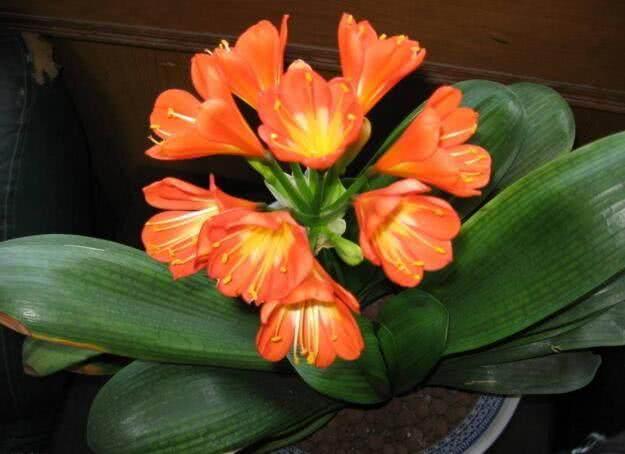
As people's living standards improve, more and more people like to grow a pot of flowers at home to cultivate their character and beautify their living space. Clivia (Clivia miniata), as the gentleman among flowers, is especially loved by many flower enthusiasts, but there are always flower lovers leaving comments saying that they like it, but growing clivia well is really a bit difficult - no matter how you grow it, it just doesn't grow much, and grows especially slowly. So today I'm sharing a little method for growing clivia: these commonly seen small "trash" items, with a simple treatment, become good "treasures" for growing clivia. Don't throw them away!
Don't throw away the waste oil from your range hood - with a simple treatment, clivia loves it
Every household has waste oil from the range hood. With a simple treatment, it becomes a great treasure for growing clivia. What do you need to do?
First, flower lovers need to collect the waste oil from home, find an unused flower pot, then mix the oil with garden soil, add some unused rotten vegetable leaves and fruit peels from home, spray with water until just moist, then cover with a layer of garden soil, seal the opening with plastic wrap, and it can be placed in the sun to bake. At the current temperature, it will be ready to use in about 20 days. This kind of flower fertilizer is rich in nutrients, and clivia loves it super much.
There are two ways to use it:
1. If you are repotting your clivia, you can mix the fertilized soil with a certain proportion of coarse sand to grow clivia directly. Even without applying other fertilizers, it will still grow well.
2. If you are not repotting, you can dig a few small holes around the edge of the pot, put some fertilized soil in each hole, and then cover with soil. That's it. As you water, the nutrients in the fertilized soil will slowly leach out and be absorbed by the clivia. It can also improve the looseness of the soil and make your potting soil more breathable. Generally, using it 2-3 times a month is enough.
Peanut shells and sunflower seed shells as a drainage layer at the bottom of the pot - loose, breathable, and no root rot
When eating peanuts and sunflower seeds at home (the dry-roasted kind), keep the shells. There are 3 ways to use them:
1. Soak them in clean water, take them out and dry them in the sun. Then directly scatter the sunflower seed shells on the surface of the potting soil, just a thin layer is enough.
2. When repotting clivia, they can be used as a base fertilizer. Scatter the soaked and dried sunflower seed and peanut shells at the bottom of the new flower pot, then fill with nutrient soil and pot the plant. The clivia will grow green and upright.
3. Find an empty flower pot, first spread a layer of garden soil, then scatter a layer of peanut and sunflower seed shells, then spread another layer of soil. Layer by layer until full, water a little, and after 2 months this soil will be so rich it drips with oil.
Flower lovers, have you learned it?
To grow clivia well, flower lovers also need to pay attention to the following issues:
1. Light
Clivia tends to bloom under short-day conditions. Harsh sun exposure and direct summer sunlight can cause sunscald and inhibit growth, so clivia fears high temperatures (above 30°C) and direct sunlight. Cooling measures should be taken, placing clivia in a cool, low-temperature, ventilated semi-shaded spot. In winter, the sunlight is soft, so it should be placed in a spot with plenty of indoor light. A room temperature above 100°C will allow it to overwinter safely.
During care, leaves often tilt and affect the beauty of the plant shape. Pay attention to the direction of light - it should be parallel to the direction the leaves extend. Rotate the pot 180 degrees every week to make light exposure even, which benefits growth, makes the leaf arrangement neat and beautiful, and increases the ornamental effect.
2. Watering
Clivia has fleshy roots, so the soil should not be too dry or too wet. Each watering must soak through, and after budding, water a bit more. About every 20 days, combine watering with applying fermented soybean cake water,
diluted fish waste water and water from soaking water chestnuts, etc., combining watering and fertilizing. When room temperature is low, watering should be controlled to prevent the potting soil from being too wet. Too-wet potting soil can cause root rot and plant death, but the potting soil should not be too dry either.
If you like fresh flowers, send me a private message. I will regularly draw lucky winners and give away a free bouquet of fresh flowers! I think you are the lucky one!