Detailed Explanation of Key Techniques for High-Yield Cultivation of Peppers under Plastic Mulch
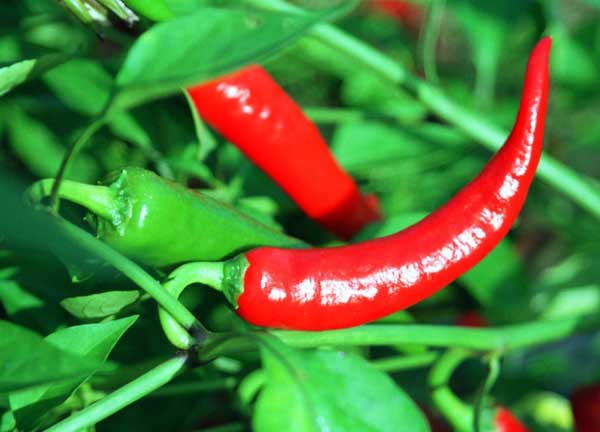
Peppers under plastic mulch are generally sown and raised as seedlings in late December and transplanted in mid-to-late April of the following year; they are pulled up in late October, with a growing period of 10 months and an average yield of about 4000 kg per mu. They can be intercropped with wheat, or a crop of peppers can be grown on land left fallow over winter. The average output value per mu is generally around 2500 yuan. The key cultivation techniques are as follows:
Raising Strong Seedlings
The pepper varieties grown under plastic mulch are mainly the Bianjiao series, and the sowing period is from mid-to-late December to early January. Before sowing, treat the seeds first, then soak the disinfected seeds in warm water at about 30°C for 8-12 hours. After the seeds have absorbed enough water, wrap them in a clean damp cloth and keep them at 28-30°C to germinate. When most of the seeds have sprouted white, they can be sown. Seedling raising for peppers under plastic mulch is generally carried out in a greenhouse or a heated bed. After sowing, keep the seedbed temperature at 25-30°C during the day and 18—20°C at night. When the seedlings have emerged completely, lower the daytime temperature to 20-25°C and keep it at 15~18°C at night. From 5-7 days before pricking out, gradually remove the film for ventilation and carry out low-temperature hardening of the seedlings.
Pricking Out in Good Time
Peppers under plastic mulch all need pricking out, generally in early to mid-March, when the seedlings have 3 leaves and 1 heart. One day before pricking out, water the sowing seedbed appropriately so as to reduce root damage when lifting the seedlings. The spacing for pricking out should preferably be 8-10 cm square, with two plants per hole. At the same time, large and small seedlings should be separated. After planting, cover promptly with a small arched shed, and if the nighttime temperature is low, also cover with straw mats. Generally, do not ventilate for 3-5 days after pricking out; uncover the straw mats during the day and cover them at night, so as to raise the temperature of the pricking-out seedbed as much as possible, promote root growth, and help the seedlings recover. After 5-7 days, new leaves begin to grow, and the recovery period ends. After that, ventilation can be gradually increased according to weather conditions. From 7-10 days before transplanting, that is, around April 10, ventilate day and night to harden the seedlings. In order to control excessive seedling growth, apart from watering at pricking out, generally no further watering is done until one watering is given to lift the seedlings before transplanting to the field.
Land Preparation and Fertilization
Peppers should not be grown continuously on the same land. The plot for growing peppers under plastic mulch is best if no solanaceous vegetables have been grown there in the past 2-3 years. The best preceding crop is alliums, followed by legumes, cabbage crops, and so on. Before land preparation, broadcast more than 5 cubic meters of decomposed organic fertilizer per mu, 50 kg of superphosphate, and 20 kg of potassium sulfate as base fertilizer. After plowing, make small high ridges 60 cm wide every 40 cm, and cover with film about 7 days before transplanting to raise the temperature.
Transplanting at the Right Time
Peppers under plastic mulch are generally transplanted in mid-to-late April (around Grain Rain). When transplanting, first dig holes on the small high ridges at a row spacing of 40 cm and a plant spacing of 33 cm. The triangular seedling arrangement is most suitable, with 4000 holes and 8000 plants per mu. If water and fertilizer conditions are relatively poor, the planting density can be appropriately increased.
Field Management
On the basis of watering well at transplanting, water promptly to help the seedlings recover after the recovery period. Generally, no more watering is done until the first fruit has set. When the first pepper fruit has grown to about 3 cm, combine watering with a heavy topdressing, applying 15-20 kg of urea and 10 kg of potassium fertilizer per mu, and thereafter topdress once every 2-4 waterings. Watering should be done lightly and frequently, and flooding irrigation must be avoided. When rainfall is excessive, drain water promptly. Under normal circumstances, the first fruits should be harvested in good time to avoid “hanging the vines down”.