What are the precautions for raising tomato seedlings in early spring?
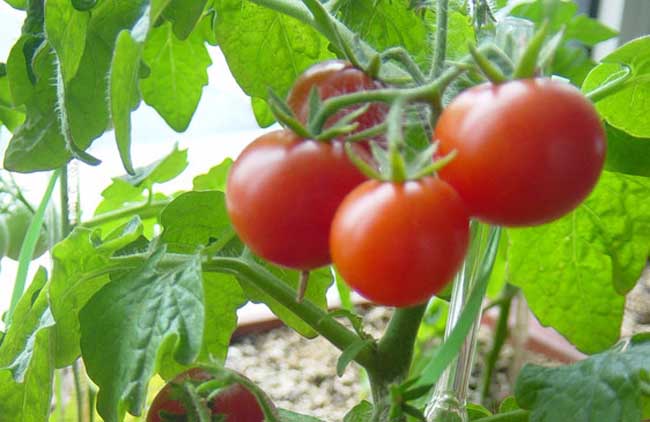
With the development of the protected vegetable industry, the tomato planting area has been continuously expanding. To achieve high returns, complete and strong seedlings are fundamental. For early spring seedling raising, pay attention to the following points:
1. Seed disinfection: To control tomato leaf mold, septoria leaf spot, early blight, bacterial canker and other diseases, the hot water seed soaking method should be used, that is, place the seeds in hot water at 55°C, soak for 15 minutes while stirring, then soak in warm water at 30°C for 4-5 hours, remove them, and germinate them at 30°C. To control viral diseases, soak the seeds in a 10% trisodium phosphate solution for 20 minutes, then rinse them clean with water and germinate them.
2. Seedbed soil disinfection: Before sowing, after watering the seedbed soil thoroughly, spray the seedbed with a 500-600 times dilution of 72.2% propamocarb aqueous solution, spraying 2-4 kg per sq m. Or disinfect with carbendazim: for every 1000 kg of seedbed soil, use 25-30 g of 50% carbendazim wettable powder. When treating, first prepare carbendazim into an aqueous solution, then spray it onto the seedbed soil, mix well, and cover tightly with plastic film. Generally after 2-3 days, it can kill fusarium wilt and many other pathogenic bacteria in the soil.
3. Apply base fertilizer early: When preparing the nutrient soil, if sufficient fertilizer is applied, no fertilization is needed throughout the seedling stage. If the seedling leaves are found to become pale in color and show symptoms of fertilizer deficiency, spray a small amount of guaranteed-quality monopotassium phosphate 500 times dilution.
4. Temperature regulation must be appropriate: After the seedlings emerge completely, the seedbed temperature must by no means be too high, so that the seedlings grow robustly and their cold resistance and disease resistance are enhanced. During the "two leaves and one heart" stage, the seedbed insulation measures must by no means fail to keep up. If the temperature remains too low for a long time, flower bud differentiation will be blocked, early spring flower and fruit drop will be severe, and early yield will be affected. At noon on sunny days, the seedbed temperature easily becomes too high. At this time, by no means uncover the straw matting for heavy ventilation, to prevent the seedlings from wilting or dying due to excessive temperature difference and excessive water loss.
5. Do not make the seedbed too humid: Generally, no watering is needed during the seedling stage. When watering is necessary, choose noon on a sunny day, and use warm water for watering. By no means overwater, to prevent the seedbed from becoming too wet, causing rotten eyes, stiff seedlings and breeding of diseases. After applying pesticide, to prevent the seedbed from becoming too humid, you can spread plant ash or fine dry soil to absorb moisture.
6. Do not let the seedlings receive insufficient light: During the overwintering stage of the seedlings, continuous cloudy weather is often encountered. At this time, the outside temperature is very low, and many vegetable growers do not dare to uncover the straw curtains, causing the seedlings to see no light for many days, which affects the formation and development of the seedlings' flower heads due to malnutrition. Light should be increased, the coverings should often be kept clean, and straw curtains should be uncovered as early as possible and covered as late as possible. On cloudy days, the straw curtains should also be uncovered and covered normally, increasing the light time as much as possible.
7. Do not neglect the prevention of pests and diseases: During the seedling stage, damping-off and sudden wilt are likely to occur. In the early stage of the disease, first remove the diseased seedlings, then spray pesticide in time for protection, to prevent spread.
8. Do not transplant without hardening off the seedlings: 5-7 days before transplanting, the seedlings should undergo a hardening-off process to enhance their resistance and adapt to the environment after transplanting. By no means transplant directly without hardening off the seedlings, to prevent poor adaptation after transplanting, causing slow seedling recovery and severe seedling death after transplanting.