Detailed Explanation of Key Techniques for High-Yield Cultivation of Wild Rice Stem
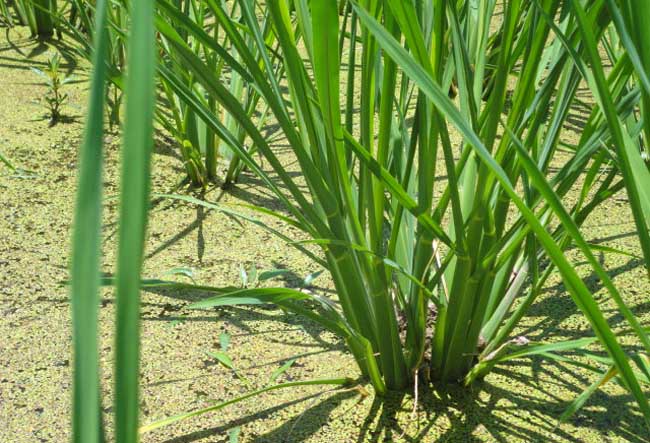
Wild rice stem (Zizania latifolia) is a warm-loving plant that reproduces asexually through tillering and division. Its optimum growth temperature is 10-25°C, and it is not tolerant of cold or of high-temperature drought. The frost-free period in cultivation areas must be more than 150 days. After frost, the wild rice stem leaves wither and die, though during dormancy it can withstand low temperatures of -10°C. In northern China, where the frost-free period is short, single-crop wild rice stem is mainly planted, and single-crop wild rice stem is suitable for spring planting. In the south, where the frost-free period is long, both single-crop and double-crop wild rice stem are suitable for planting.
Wild rice stem is a crop that does not tolerate continuous cropping, and crop rotation plays a very important role in wild rice stem production. In some places where wild rice stem has been introduced, yields are relatively high in the first two or three years and it comes to market early, but afterward the yield declines year by year, the marketing period is delayed, the wild rice stem pods become smaller, and quality declines. Apart from problems with seed selection, the cropping system is also one of the main factors.
Types of Crop Rotation
Rotation in wild rice stem fields includes rotation among different crops that are all paddy field crops and paddy-upland rotation. Paddy field rotation mainly involves rotating wild rice stem with rice, mat grass, water lotus root, water chestnut, arrowhead, and other crops. In rotation of wild rice stem with rice, double-crop wild rice stem varieties are used for the wild rice stem; after the summer wild rice stem is harvested, the land is immediately plowed and harrowed, sufficient base fertilizer is applied, and single-crop rice or late continuous-cropping japonica rice is transplanted. The growth periods of the two crops complement each other, and both can achieve high yields. In rotation of wild rice stem with mat grass, after the autumn harvest of single-crop or double-crop wild rice stem, the land is prepared, fertilizer is applied, and mat grass is planted. Paddy-upland rotation of wild rice stem fields mainly involves rotation with upland melons, fruits, and vegetables, chiefly: autumn wild rice stem - summer wild rice stem - summer-autumn Chinese cabbage - solanaceous fruits - overwintering greenhouse cultivation - autumn wild rice stem; autumn wild rice stem - summer wild rice stem - summer-autumn Chinese cabbage or radish - autumn-winter vegetables - spring solanaceous fruits - autumn wild rice stem; autumn wild rice stem - summer wild rice stem - autumn solanaceous fruits - winter-spring vegetables - autumn wild rice stem, and so on. These rotation methods all involve one season of autumn wild rice stem, with upland vegetables planted after the summer wild rice stem. Paddy-upland rotation can effectively improve the physical and chemical properties of the soil and is the best way to resolve the factors causing continuous cropping obstacles in crops.
In wild rice stem cultivation, growers in Huangyan, Zhejiang, China, have also adopted a planting method of swapping furrows and beds, that is, planting wild rice stem in the same field plot and, each year when preparing the land and transplanting, changing the furrows of the previous year's wild rice stem field into beds and the beds of the wild rice stem field into furrows. This method likewise achieves a certain rotation effect and plays a role in overcoming continuous cropping obstacles. Combined with other fertilizer and water management measures, this method has allowed continuous cultivation of wild rice stem in some field plots in the Huangyan area for nearly ten years without any obvious yield reduction or decline in quality.
Mechanism by Which Paddy-Upland Rotation Increases Yield
Some wild rice stem growers do not fully recognize the role of rotation in wild rice stem fields and often practice continuous cropping for many years, with some even harvesting for several years after a single transplanting, seriously affecting the yield and quality of wild rice stem. According to surveys, when wild rice stem is continuously cropped for more than two production cycles, yield decreases by 10-15% in each cycle. The reasons paddy-upland rotation increases yield are:
1. It can markedly improve the physical and chemical properties of the soil, especially by reducing soil bulk density, increasing soil aeration and water permeability, and significantly improving soil aggregate structure, with very good effects on the release of soil nutrients and the absorption and utilization of nutrients by crops.
2. It can reduce crop diseases. After continuous cropping of wild rice stem, sheath blight and brown spot disease increase markedly. The longer the continuous cropping period, the more severe the diseases. After paddy-upland rotation, however, the incidence of disease is markedly reduced.
3. It can increase fertilizer use efficiency. In soil under continuous wild rice stem cropping, phosphorus and potassium are consumed in large amounts, and nitrogen cannot fully play its role. After paddy-upland rotation, however, soil fertility can be fully utilized and fertilizer use efficiency improved.
4. It can reduce field weeds. Changes in the paddy and upland ecological environment are unfavorable to the continuous reproduction and growth of the same type of weeds and can markedly reduce weed damage.
Intercropping, Relay Intercropping, and Three-Dimensional Cultivation and Breeding Models
In addition to rotation, wild rice stem fields can also be managed with intercropping and relay intercropping. The main intercrops in wild rice stem fields are aquatic crops such as rice, water caltrop, lotus root, and water spinach, though intercropping and relay intercropping with wheat, rapeseed, or upland vegetables is of course also possible. Intercropping and relay intercropping methods may use intercropping in alternate rows or multiple rows, or interplanting around the field borders and in the middle positions. Using intercropping and relay intercropping in wild rice stem fields can effectively increase land utilization and improve ventilation and light penetration between plants.
To further increase the utilization rate and output rate of wild rice stem fields, in recent years many places have also adopted three-dimensional ecological cultivation and breeding models in which wild rice stem is co-grown and co-bred with field fish, freshwater shrimp, rice field eel, crabs, ducks, and so on, all of which have achieved relatively good benefits.