A Detailed Guide to Aster Cultivation Techniques and Management Methods
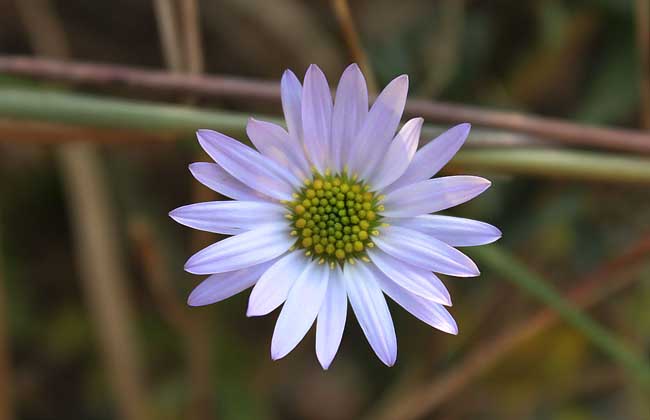
Aster, also known as Qingyuan, Ziqian, Xiaobian, etc., is a perennial herbaceous plant of the genus Aster in the Asteraceae family. It usually grows in moist riverside areas, tolerates waterlogging, fears drought, and has strong cold resistance. As a medicinal herb, it is effective in treating wind-cold cough and asthma, and consumptive cough with pus and blood. It has certain cultivation value. Let us take a look at aster cultivation techniques together below!
Site Selection and Land Preparation
Select a plot with flat terrain, deep soil layer, loose and fertile soil, and good drainage as the planting plot. Before planting, deep plow the soil more than 30 cm. In combination with plowing, apply 3000 kg of decomposed barnyard manure and 50 kg of superphosphate per mu, and plow them into the soil as base fertilizer. Before sowing, shallow plow again 20 cm, level and harrow fine, then make high beds 1.3 m wide, with bed furrows 40 cm wide, and open good drainage ditches around.
Planting and Seedling Protection
After the soil thaws 10 cm in spring, select robust, purplish-red rhizomes with dense and short nodes and dormant buds as planting material, take the middle section, cut it into small sections 5-7 cm long, each section with 2-3 dormant buds, and plant immediately after cutting. When planting, on the prepared bed surface, open horizontal furrows at a row spacing of 25-30 cm, with a furrow depth of 5-7 cm, place the seed roots with bud eyes facing upward, and according to a plant spacing of 15-17 cm, place 1-2 sections along the furrow, cover with soil level with the bed surface, press slightly after planting, water once, then cover with a layer of grass to keep warm and moist. After full emergence, remove the covering grass to preserve soil moisture and protect seedlings.
Field Management
After aster seedlings emerge completely, shallow loosening of the soil and weeding should be carried out. In combination with soil loosening, apply 1000-1500 kg of decomposed human and livestock manure water per mu. When the seedlings are 7-9 cm tall, in combination with intertillage, apply 1500 kg of decomposed human and livestock manure water per mu. Before row closure, in combination with intertillage and weeding, apply 300 kg of decomposed compost and 50 kg of decomposed cake fertilizer per mu, applied in furrows opened beside the plants, and cover with soil after application. If weeds appear after row closure, pull them out by hand. After rain or irrigation, dredge furrows and drain water in time, and irrigate in case of drought. If bolting is found, cut it off in time.
Pest and Disease Control
1. Root rot
[Damage] It damages the stem base and rhizome neck of the plant. In the early stage of the disease, the roots and rhizomes turn brown and rot, brown spindle-shaped lesions appear at the base of the petioles, and gradually the leaves wither and die and the rhizomes rot.
[Control] In the early stage of the disease, spray with 50% carbendazim wettable powder at 1000 times dilution or 50% thiophanate-methyl wettable powder at 1000 times dilution for control.
2. Black spot
[Damage] In the early stage of the disease, purplish-black spots appear on the leaves, which later expand into nearly round dark brown large spots.
[Control] In the early stage of the disease, spray with 65% zineb wettable powder at 500 times dilution or 50% thiophanate-methyl wettable powder at 1000 times dilution for control, once every 7 days, for 3 consecutive sprays.
3. Silver-marked noctuid
[Damage] The larvae bite and feed on leaves, causing holes or notches.
[Control] Spray with 90% trichlorfon crystal at 1000 times dilution to kill them.