Detailed Explanation of Epimedium Planting Techniques and Management Methods
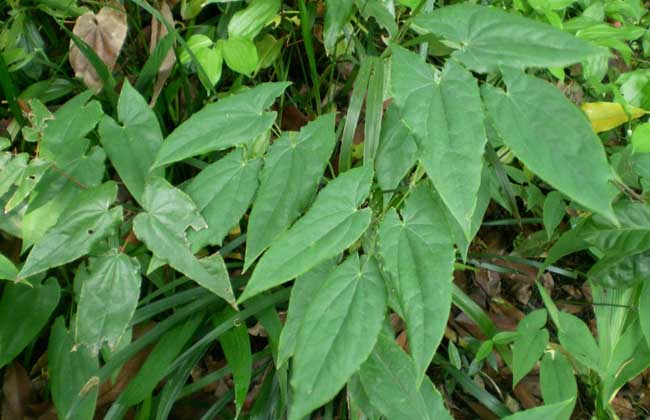
Epimedium is a perennial herb of the genus Epimedium in the family Berberidaceae. It grows under forests, in thickets by ditches, or in shady and moist places on hillsides. It is cultivated in Shaanxi, Gansu, Shanxi, Henan, Qinghai, Hubei, Sichuan and other regions of China. The whole plant is used for medicinal purposes and has extremely high medicinal value and cultivation value. Let us take a look at Epimedium planting techniques together below!
Growth Habits of Epimedium
Epimedium prefers shady and moist conditions. The soil moisture should be 25-30%, and the relative air humidity is best at 70-80%. It is relatively sensitive to light and avoids direct sunlight, requiring about 80% shade. It has relatively strict soil requirements, preferring neutral acidic or slightly alkaline, loose, humus-containing, organic-rich soil, preferably sandy loam. It is suitable for growth in thickets, sparse forests, or semi-shady forest edges at altitudes of 450-1200 m in low and medium mountain areas.
Propagation Techniques of Epimedium
1. Rhizome Propagation
① Rhizome Selection: When collecting wild Epimedium rhizomes as propagation material, select ones with well-developed and thick root systems, sufficient sap, many fibrous roots, root diameter of 0.3-0.5 cm or more, plump overwintering buds, and no pest or disease infection.
② Harvesting and Storage: The withering period of Epimedium is from late September to mid-October, and the rhizome harvest period is during this time. Cut the excavated rhizomes into 10-15 cm long segments, each with more than 2 overwintering buds, and tie them into bundles for later use.
2. Seed Propagation
① Seed Collection: The seed maturation period of Epimedium is from late May to early June. When the fruit skin is about to open and the seeds are exposed and brown, pick the fruits promptly, collecting them as they ripen. After transport, thresh them, winnow out impurities, and store them promptly to maintain freshness. The selected seeds should be fully mature, plump and intact in appearance, free of pathogenic bacteria, with a seed purity of 80%, a thousand-grain weight of 4.5-4.7 g, no mold, and a germination rate of over 90%.
② Seed Storage: Epimedium seeds have a short lifespan and should be sown immediately after collection. In special circumstances, after seed selection, they can be stored by mixing with fine river sand, fine river sand mixed with humus soil, or humus soil. First, disinfect the substrate with carbendazim at 1% of the substrate weight, then thoroughly mix the substrate and seeds at a ratio of 3:1, put them in a wooden box, and store in a cool, dry place with a rain shelter. During this period, check frequently to prevent heating, insufficient moisture, mold, etc. The storage period is about 2 months.
Seedling Raising Techniques of Epimedium
1. Site Selection and Bed Preparation: Choose natural conditions of shady slopes or semi-shady and semi-sunny slopes, with a slope of 35°C or less, and soil of slightly acidic leaf humus soil, black loam soil, or black sandy loam soil. Cultivation can be carried out under broadleaf forests, mixed coniferous-broadleaf forests, or fruit tree economic forests. Remove the grass turf from the forest floor, make strip beds 120-140 cm wide and 12-15 cm high along the slope, and transplant seedlings in horizontal strip trenches with a trench depth of 6-10 cm.
2. Sowing Time: Epimedium seeds have a short lifespan and should be sown immediately after collection in mid-June. Seeds stored under special circumstances should also be sown before freezing in the same year. In special cases, sowing can be done in the following spring after thawing.
3. Broadcast Seeding for Seedlings: For broadcast seeding of Epimedium, dig shallow grooves 3-5 cm deep on the bed, level the bottom of the grooves with sieved fine humus soil, then sow. After sowing, cover with sieved fine humus soil 0.5-1 cm thick, then cover with a layer of fallen leaves or similar to maintain soil moisture. Water thoroughly once before sowing or after covering with soil. The sowing rate is 10-15 g/sq m.
4. Drill Seeding for Seedlings: For drill seeding of Epimedium, open trenches across the bed with a row spacing of 10-15 cm and a trench depth of 3-4 cm. After opening the trenches, firm the bottom, then sow in the trenches, cover with soil 0.5-1 cm thick, and cover with fallen leaves or similar. The sowing rate is 10 g/cubic m.
5. Seedling Raising Under Forest: For seed seedling raising under mountain forest, choose relatively flat gentle slope land, clear the understory shrubs and weeds, and appropriately thin overly dense trees and branches so that the canopy density is about 0.5-0.7. Then make beds 1.2 m wide and 20-25 cm high along the diagonal line of the hillside, apply sufficient base fertilizer, and sow according to the flatland seedling method. For rhizome seedling raising under mountain forest, clear the understory shrubs and weeds, make planting strips along contour lines, loosen the soil in strips 30-50 cm wide, pick out stem roots, and then plant.
Transplanting Techniques of Epimedium
1. Seed Seedlings: The transplanting time is in early to mid-October, when one-year-old seedlings are dug out and transplanted. Divide the selected seedlings into three grades: large, medium, and small, and plant them separately. When planting, open trenches across the bed with a row spacing of 15-20 cm and a trench depth of 9-10 cm. Place seedlings in the trenches at a plant spacing of 8-10 cm, making sure the fibrous roots are spread out, cover with soil 6-8 cm thick, and press lightly.
2. Rhizome Seedlings: Divide the prepared rhizomes into three grades according to thickness and plumpness of overwintering buds. Soak them quickly in No. 5 rooting powder solution at a concentration of 50-100 mg/kg for 5 seconds, then plant them separately. When planting, open trenches across the bed with a row spacing of 20-25 cm and a trench depth of 9-10 cm. Plant seedlings in the trenches at a plant spacing of 10-15 cm, cover with soil 6-8 cm, and press lightly. After planting, disinfect the bed surface with 3000-fold ethephon solution or 600-fold carbendazim solution, then cover the bed surface with leaves. They can also be planted on prepared planting strips under the forest for semi-wild management.
3. Wild Seedling Transplanting: Cut the excavated wild seedling rhizomes into 10-15 cm long segments, each ensuring more than two overwintering buds. Soak the roots in No. 5 rooting powder solution at a concentration of 50-100 mg/kg for 5 seconds, and plant according to the above method.
Field Management of Epimedium
1. Replanting: After Epimedium emerges in February-March of the following spring, promptly remove dead seedlings, weak seedlings, and diseased seedlings, and replant on cloudy days to ensure the basic number of plants.
2. Weeding: During Epimedium cultivation, weeding should be combined with intertillage, with the aim of having few weeds on the bed surface. During the peak growth season, weeding can be done once every 10 days, and in autumn and winter, about once every 30 days.
3. Irrigation: Epimedium prefers a moist soil environment, and drought can cause growth stagnation or seedling death. If there are 5-6 consecutive sunny days in summer, artificial watering must be carried out in the morning and evening.
4. Fertilization: Epimedium is a perennial plant. After transplanting, topdressing should be carried out in different ways each year. In the first year after transplanting, foliar topdressing can be carried out, generally after leaf expansion and during the green fruit stage. After the second year of transplanting, in addition to foliar spraying, lateral root topdressing should also be carried out. The topdressing time is mainly in autumn, that is, after the plants wither and before the soil freezes, and cake fertilizer, superphosphate, or decomposed pig manure is preferred.
5. Harvesting: The harvest time of Epimedium is from late June to late July. When harvesting, use a sickle to cut the aboveground stems and leaves, remove thick stems, tie them into small bundles, tying while cutting, and transport them back to the drying yard the same day. When cutting stems and leaves, do not cut the knife into the soil to avoid damaging rhizomes and overwintering buds, and do not pull them up by the roots, so as not to affect the next year's growth.
6. Processing: Freshly harvested Epimedium stems and leaves should not be washed with water. Hold the base of the stems by hand, shake off or remove weeds, foreign matter, and diseased and residual plants. Then, hang the small bundles in a pre-built shade shed to dry in the shade. The shade shed should be set up in a high, dry, and ventilated place with rainproof facilities. Never expose them to direct sunlight or let dew form on them, so as not to affect the appearance quality of the product. A far-infrared tobacco curing barn can also be used for artificial drying. The drying standard is a moisture content reduced to below 14%.
Pest and Disease Control of Epimedium
1. Leaf Brown Spot Blight
[Symptoms] Leaf brown spot blight damages leaves. On diseased leaves, the lesions initially appear as brown spots surrounded by yellow halos. After expansion, the lesions become irregular, with red-brown to brown edges and gray-brown centers. In the later stage, the lesions are gray-brown, shrunken, and black granular bodies appear, which are the pathogen's pycnidia. The pathogen occurs in both the seedling and adult stages of Epimedium, with more occurrence and severe damage during the seedling stage.
[Control] ① Promptly remove and destroy diseased residues to reduce infection sources. ② In the early stage of disease, chemical control can be applied. Commonly used agents include 50% zineb wettable powder 600-fold, 50% thiram wettable powder 800-fold solution, 1:1:160 Bordeaux mixture, 30% copper oxychloride 600-800-fold solution, 50% carbendazim wettable powder 500-600-fold solution, 70% thiophanate-methyl wettable powder 800-1000-fold solution, and 75% chlorothalonil wettable powder 500-600-fold solution. The above agents should be used alternately to avoid developing resistance.
2. Crinkle Virus Disease
[Symptoms] In the seedling stage on the seedbed. Infected leaves often show crinkled, uneven, thickened leaf tissue, deformed and rolled backward. In the adult seedling stage, there are often 2 types of symptoms in the field: mosaic mottling type: diseased leaves are distorted, deformed, crinkled, uneven, and thickened, showing mosaic mottling with uneven dark and light green. Yellow mottling mosaic type: infected leaf tissue loses green and shows yellow mosaic spotting.
[Control] ① Select virus-free seedlings for seed production. ② During the growth period of Dipsacus asper, promptly kill virus-transmitting insect vectors. ③ When disease symptoms appear, if chemical control is needed, potassium dihydrogen phosphate or 20% Dukexing wettable powder 500-fold solution, or 0.5% Antiviral Agent No. 1 aqueous solution 250-300-fold solution, or 20% Bingduning water-soluble powder 500-fold solution, etc. can be sprayed, once every 7 days, for 3 consecutive times. Promote leaves to turn green and spread out, and reduce damage. Stop using the drug 20 days before harvest.
3. Epimedium Rust Disease
[Symptoms] The pathogen damages Epimedium leaves, fruits, etc. On diseased leaves, inconspicuous small spots appear initially, and later the underside of the leaves turns into orange-yellow slightly protruding small pustules, which are uredinia. After the lesions rupture, rust-yellow urediniospores are released. In severe cases, the leaves wither and die. Diseased fruits show orange-yellow slightly protruding small pustules, and in severe cases the diseased fruits become mummified fruits.
[Control] ① Clean the field and strengthen management. ② Remove alternate hosts. ③ During the disease period, 15% triadimefon wettable powder 1000-1500-fold solution can be selected,
4. Epimedium Powdery Mildew
[Symptoms] It damages Epimedium leaves. In the early stage of disease, small nearly circular white powder spots appear on the front or back of the leaves, gradually expanding into large white powder areas with indistinct edges, covering the leaf surface as if sprinkled with a layer of white powder. After wiping off the white powder, the leaf surface can be seen to be chlorotic, withered yellow, and brittle. In severe cases, the leaf surface is covered with white powder and turns grayish white until the entire leaf withers and dies. After onset, there is no foul odor, and white powder is its obvious symptom.
[Control] ① Clean the field and strengthen management. ② During the disease period, 50% carbendazim 500-fold solution or 75% thiophanate-methyl 1000-fold solution can be sprayed. When the disease is prevalent, 15% triadimefon 1000-fold solution and other agents can be sprayed for control.
5. Physiological Red Leaf Disease
[Symptoms] This disease usually appears in exposed areas without shade. The leaves become chlorotic and red, and plant growth is inhibited, with stunted plants. In severe cases during the seedbed stage, plants may die early. In the adult seedling stage, although affected plants generally do not die after discoloration, there are fewer new buds, affecting biomass yield and causing significant reduction in production.
[Control] ① Raise seedlings under shade. ② For base planting, choose to plant under shade of arbor trees such as bayberry trees and pine trees.