Cultivation Techniques and Planting Management Methods for Yin Chen
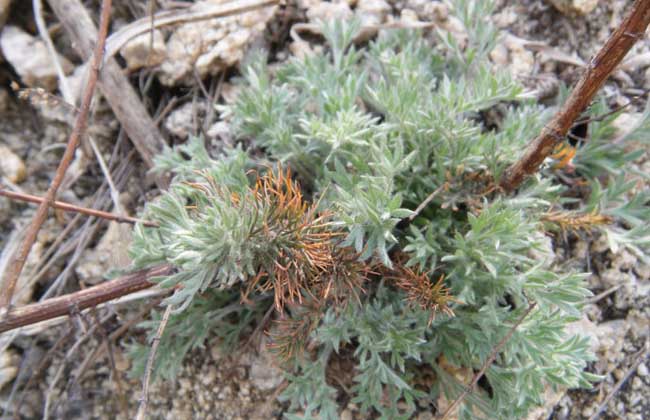
Yin Chen, also known as oregano, Tian Naili, Ma Xian, Mian Yin Chen, Rong Hao, and other names, is a perennial herbaceous plant or subshrub of the genus Origanum in the Asteraceae family. It often grows in humid sandy areas near riverbanks and coasts at low altitudes, along roadsides, and in low mountain slope areas. In Chinese folk tradition, there is still the custom of making Yin Chen cakes and dumplings with rice flour. Let us take a look at the cultivation techniques for Yin Chen below!
Growth Habits
Yin Chen prefers a warm and humid climate and has strong adaptability. It is best cultivated in sandy loam soil that faces the sun, has deep soil layers, is loose and fertile, and drains well. It is not strict about soil requirements, and generally any soil can be used for cultivation, but alkaline soil and sandy soil are not suitable for cultivation. Apply farmyard manure before plowing. Since the seeds of Xiangru are very small, the ground must be leveled and raked finely.
Propagation Methods
For the direct seeding method of Yin Chen, sow in March in spring. After mixing the seeds with fine sand, dig holes and sow at a row-to-plant spacing of 25×20 cm. For drilling, open furrows at a row-to-plant spacing of 25 cm and sow the seeds evenly into them. Before sowing, mix the seeds with New High-Fat Film and use it together with a seed coating agent to repel underground pests and diseases, isolate viral infections, strengthen respiration intensity, and improve the seed germination rate. After preparing the ground and sowing, spray the soil surface with a 600-800 times dilution of New High-Fat Film, which can preserve soil moisture, prevent water evaporation, protect against sunlight and drought, prevent soil compaction, suffocate and isolate pest and disease sources, and improve the emergence rate.
Field Management
After the Yin Chen seedlings emerge completely, thin them in time, carry out intertillage and weeding, drainage, irrigation, and fertilization, and spray New High-Fat Film on the plant surface to enhance fertilizer efficiency, prevent pathogen infection, improve resistance to natural disasters, improve photosynthetic efficiency, and protect the seedlings so they grow strong. Also spray Zhuang Jing Ling at the appropriate time to make the plant stems thick and strong and the plants lush. During the growth period, carry out intertillage and weeding 2-3 times each year, and combine this with topdressing human feces and urine 2-3 times.
Pest and Disease Control
The diseases of Yin Chen seedlings include root rot and sclerotinia, and the pests include cutworms. Attention should be paid to prevention and control during cultivation. After Yin Chen is harvested, the roots go through a 4-7 day bleeding period, and after a callus formation period of about 20 days, new buds begin to differentiate and form a multi-branched clump. From the bleeding period to new bud differentiation, it should not be watered to prevent root rot. At the same time, it is necessary to improve disaster resistance, reduce the use of pesticides and chemical fertilizers, and lower residual toxicity.