Melon not sweet but bitter? It may be unripe or cucurbitacin at work
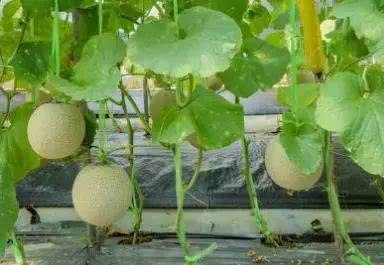
It is currently the season when melons hit the market, and I myself really like eating melons, because melons have a very sweet and fragrant aroma, which is a point that is very different from watermelon. But sometimes it is easy to buy melons that taste bitter, and attentive friends will also notice that the area near the melon's stem end is also somewhat bitter.
It is clearly a melon, so why would it have a bitter taste?
Many friends must be very curious about this. If you are more observant, you will also find that it is not only melons that can show a bitter taste; zucchini, loofah, and cucumber occasionally also show bitterness, though they do not appear as frequently as melons. This is mainly because during the growth process melons produce a toxic substance called "cucurbitacin."
Because during cultivation melon farmers generally carry out grafting and artificial pollination and other work, most melons have already had the cucurbitacin removed, so they can be eaten with peace of mind. However, plants are also very clever: if the temperature is too high during the growth process, or if the weather is hot and dry, melons may secrete the toxic substance cucurbitacin on their own to protect themselves and prevent themselves from being eaten.
In addition to this reason, if melons encounter long periods of insufficient sunlight or continuous rainy conditions during cultivation, this can also easily cause melons to produce bitter compounds. Because of long-term insufficient sunlight, the bitter compounds cannot be converted, and the melon's taste naturally will not be good. In particular, if during the melon's expansion period there is long-term rainy weather, and the temperature difference is not obvious enough, causing the melon's sugars to be unable to accumulate, a faint bitterness will also be produced.