Detailed Explanation of the Cultivation Techniques and Management Methods of Solanum lyratum
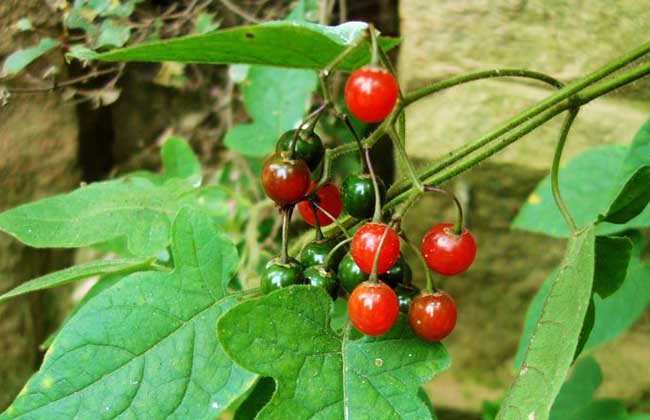
Solanum lyratum is also known as mountain sugar beet, white grass, wind-expelling grass, sky lantern, monk's head grass, etc. It is a herbaceous vine of the Solanum genus in the Solanaceae family, native to China, and also distributed in Japan, Korea, and the Indochina Peninsula. It has a long history of medicinal use, first recorded in the Shennong Bencao Jing, where it was listed as a superior-grade herb. It is a traditional Chinese medicine. Let's take a look at the cultivation techniques of Solanum lyratum below!
Growth Habits of Solanum lyratum
Solanum lyratum grows in valley grasslands or roadsides and field edges at an altitude of 600-2800 m. It prefers a warm and humid environment, is drought-tolerant and cold-tolerant, but afraid of waterlogging. It has no strict requirements for soil, but deep, loose, fertile sandy loam rich in organic matter is best. Heavy clay, saline-alkali land, and low-lying land are not suitable for planting.
Propagation Methods of Solanum lyratum
1. Seed propagation: Collect mature fruits from October to December, first soak them in warm water at 30-50°C for 24 hours, then rub and rinse in clear water to remove the pulp and impurities. After drying, sow immediately, or mix the seeds evenly with 3 times their volume of fine sand and store in a cool indoor place, then sow in the following spring. Sowing from late March to mid-April is most suitable. Drill or broadcast in shallow furrows on a prepared seedbed, and transplant after 1 year of cultivation.
2. Cutting propagation: In spring from mid-April to mid-May, select 1-2 year old semi-lignified branches that are well-developed, robust, and free of pests and diseases. Cut the middle sections into cuttings 20-25 cm long, keep 1-2 upper leaves, soak in a 500×10-6 naphthalene acetic acid solution for 3-5 minutes, open furrows 40-50 cm apart and 15-20 cm deep, insert obliquely into the soil every 7-10 cm, leaving 1/2-1/3 exposed above the ground, cover with soil and press firmly, water thoroughly, and keep moist. Roots can form in about half a month, and transplanting can be done in autumn.
3. Division propagation: Solanum lyratum has extremely strong suckering ability. In autumn and winter, dig out the underground roots to expose them above the soil surface, wound the root bark, cover with a small amount of fertile soil, and new shoots will sprout in the following spring. Then dig them out with roots for transplanting, with a survival rate of over 95%.
Cultivation Techniques of Solanum lyratum
1. Cultivation method: Solanum lyratum is usually cultivated in spring from March to April or autumn from September to October on prepared land. Open furrows 50-70 cm apart and about 15 cm deep, plant 1 seedling per hole at a spacing of 7-10 cm, plant upright and straight, cover with soil slightly higher than the original soil mark, and water thoroughly to settle the roots.
2. Fertilizer and water management: Solanum lyratum seedlings grow slowly. In the early growth stage, frequent cultivation and weeding are required, 4-5 times per year. The first time is when the seedlings are about 5 cm tall, with shallow loosening of the soil and weeding, combined with applying 1000-1500 kg of decomposed human and animal manure per mu to promote robust seedling growth. After that, weed once a month. Irrigate to protect seedlings during dry seasons, and drain ditches promptly during the rainy season.
3. Setting up supports: When Solanum lyratum seedlings are over 30 cm tall, set up supports between rows with bamboo poles or branches to guide the stems and vines to climb upward, improve ventilation and light transmission between rows, enhance photosynthesis, promote stem and leaf growth, and help increase yield. The trellis height is about 1.7 m, with horizontal poles connecting two rows to make it stable.
4. Pest and disease control: In summer, the leaves of Solanum lyratum are easily harmed by red spiders and aphids. They can be killed with 10% fenvalerate emulsifiable concentrate at 3000 times dilution, or 50% menazon emulsifiable concentrate at 1000 times dilution, or 40% omethoate at 1000 times dilution. At the same time, strengthen integrated pest and disease control, and spray New High Lipid Film to enhance the control effect.
5. Harvesting and processing: In late autumn, Solanum lyratum should be protected against cold and kept warm for overwintering to ensure safe wintering and growth in the coming year. Harvest the whole plant during the vigorous growth period of stems and leaves in summer and autumn, 2 times per year. After harvesting, dry directly in the sun, or wash and use fresh.