Detailed Explanation of Cat's Claw (Ranunculus ternatus) Planting Techniques and Cultivation Management Points
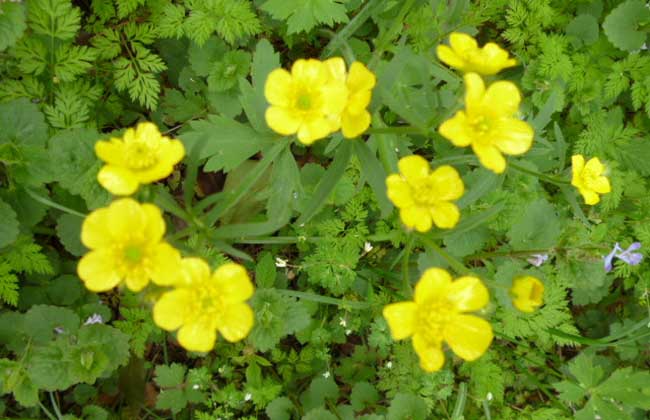
Cat's claw is the tuberous root of Ranunculus ternatus, a plant of the genus Ranunculus in the family Ranunculaceae. Apart from Ranunculus ternatus, which is used medicinally for its tuberous root, most are used medicinally as the whole plant. It can treat many diseases and also kill insects. Modern pharmacology shows that cat's claw and its preparations have therapeutic effects on pulmonary tuberculosis, lymphatic tuberculosis, and various cancers and lymphomas. It can also be used as a garden plant. Let us take a look at cat's claw planting techniques together below!
Planting Environment
Cat's claw is a neutral plant with strong adaptability. It likes light but also tolerates shade, prefers a warm and humid climate, and has no strict requirements for soil. It is suitable for cultivation in loose, moderately moist, fertile humus loam. It is relatively tolerant of water and moisture, growing in plain wet grasslands, field-edge wastelands, or hillside grass clusters, and can also be seen growing in mid-mountain areas above 1000 m in altitude. In China, it is distributed in Guangxi, Taiwan, China, Jiangsu, Zhejiang, Jiangxi, Hunan, Anhui, Hubei, Henan, and other provinces.
Seed Stock Cultivation
For seed stock cultivation of cat's claw, land preparation begins in August each year, applying 5000 kg of pigpen manure, 50 kg of compound fertilizer, and 10 kg of urea per mu. Deep plow and harrow finely, level and make beds, with a bed width of 16.5 m and a ditch width of 26.4 cm. Cultivation begins in September, with a plant spacing of 10 cm × 13.2 cm, covering with 1.6 cm of soil, watering thoroughly, and harvesting each year at the Start of Summer.
Daughter Plant Propagation
For daughter plant propagation of cat's claw, fertilization and land preparation are the same as for seed stock cultivation. Plant in spring and autumn. In spring, division and cultivation begin from January to April; in autumn, division and cultivation take place from August to December, with a plant spacing of 10 cm × 13.2 cm, covering with 1.6 cm of soil, watering thoroughly to settle the roots, and keeping the soil moist during the growing period. During the vigorous growth period, apply a small amount of urea as a top dressing, using 5 kg of urea per mu diluted in water for irrigation to promote growth.
Seed Plant Storage
After harvesting cat's claw at the Start of Summer, cut off the stems and leaves and store them. Spread a 10 cm thick layer of yellow sand indoors, then place the grass stems on top of the yellow sand in a 10 cm thick layer, then spread another layer of yellow sand. Up to 5 to 6 layers can be made, keeping the yellow sand moist. It can also be left in the original growing field to overwinter naturally. Water in August; in September the cat's claw breaks through the soil, and the seedlings are complete in 15 days; in October, dig and divide for cultivation as you go.
Field Management
Because cat's claw has a shallow root system, hoeing is not used for weed control; instead, weeds must be pulled by hand. Keep the soil moist at all times and pay attention to watering during the growing period. Apply top dressing twice during the seedling stage. Cat's claw has two optimal growth periods: from Frost's Descent to Minor Snow, and from Awakening of Insects to Pure Brightness. After the plants survive cultivation, loosen the soil and remove weeds in time, taking care not to damage the roots. Since cat's claw is a winter-growing medicinal herb, it can safely overwinter at no less than -40°C and requires no special management.