Is Sedum aizoon and Panax notoginseng the same plant?
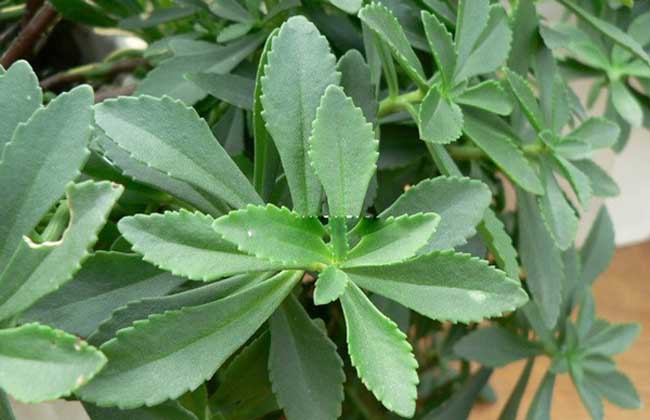
Sedum aizoon is not Panax notoginseng. Sedum aizoon is also known as Tusanqi, Feicai, HanSanqi, etc. It is a perennial herb of the Crassulaceae family, Sedum genus. It can be used as medicine, and is also used in flower beds, flower borders, and ground cover, but it needs to be isolated. In rock gardens, other plants are mostly used as edging plants. It can also be potted or hanging planted, to regulate air humidity, decorate platforms and courtyards, etc.
Sedum aizoon is a perennial succulent herbaceous plant, hairless, reaching up to 80 cm in height. The rhizome is thick, nearly woody, and the above-ground stem is erect and unbranched. Leaves are alternate or nearly opposite. The corymbose cyme is terminal, sessile or nearly sessile. The petals are yellow, oblong-lanceolate, with a short pointed tip. The follicles are 5 in number, arranged in a star shape. The seeds are smooth, with narrow wings on the edges, wider at the top. The flowering period is June to August, and the fruiting period is August to September.
Sedum aizoon prefers sunlight, and prefers a warm and humid climate. It is drought-tolerant, cold-tolerant, and not tolerant of waterlogging. It has no strict requirements for soil, and can grow in general soil, but grows better in sandy loam and humus loam. The suitable growth temperature is 15°C to 20°C. It is produced in Sichuan, Hubei, Jiangxi, Anhui, Zhejiang, Jiangsu, Qinghai, Ningxia, Gansu, Inner Mongolia, Ningxia, Henan, Shanxi, Shaanxi, Hebei, Shandong, Liaoning, Jilin, Heilongjiang and other places. It is also distributed from the Ural region of the Soviet Union to Mongolia, Japan, and Korea.
The whole plant of Sedum aizoon is used medicinally. It has the effects of stopping bleeding, relieving pain, dispersing blood stasis and reducing swelling. Taken in water or soaked in wine, it treats various bleedings. Fresh products are crushed and applied externally to sores, boils, and swollen abscesses. In Nantong and other places, relevant medical research units use the water decoction and injection of this plant to treat various internal bleeding diseases, with significant curative effects.
Sedum aizoon is also a health vegetable. The fresh edible parts contain protein, carbohydrates, fat, crude fiber, carotene, vitamin B1, vitamin B2, vitamin C, calcium, phosphorus, iron, oleanolic acid, sitosterol, alkaloids, sedoheptulose, flavonoids, organic acids and many other components. It has no bitter taste and good mouthfeel. It can be stir-fried, stewed, made into soup, served cold, etc. It is a delicious dish on family tables in the 21st century. Regular consumption can enhance human immunity and has good dietary therapeutic and health-care effects.