How to Grow Agrimony? A Complete Guide to the Key Cultivation Techniques
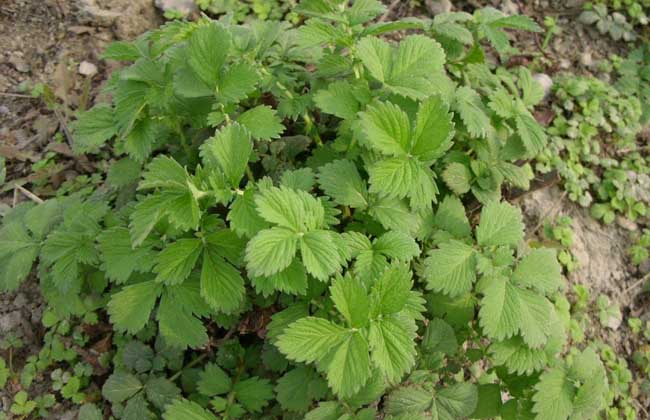
Agrimony (Agrimonia pilosa) is a perennial herbaceous plant in the genus Agrimonia of the rose family (Rosaceae). Also known as Tuoli Cao, Guaxiang Cao, Laoniujin, Langya Cao and so on, its tender stems and leaves are edible, being not only nutritious but also strongly anti-cancer. The whole plant, roots and winter buds are used as medicine and have the effects of astringing and stopping bleeding, reducing inflammation, stopping diarrhea, detoxifying, killing parasites, and tonifying qi and strengthening the heart. Let us take a look at agrimony cultivation techniques below!
Agrimony Growth Habits
Agrimony prefers a warm, humid environment, with a suitable growth temperature of 20-30°C. It has no strict requirements for soil, but deep, loose, fertile sandy loam is best. It is propagated by seed or root division. For spring sowing, it is late March in the south and mid-to-late April in the north; for autumn sowing, it is late September to early October in the south and late October to early November in the north before the ground freezes. Root division propagation can be carried out in both spring and autumn.
Agrimony Propagation Techniques
1. Seed propagation: Agrimony can be sown in spring or autumn. For spring sowing, it is mid-to-late April in the north; for autumn sowing, it is done in late October before the ground freezes. When sowing, open sowing furrows 1-2 cm deep at a row spacing of 30-35 cm. For autumn sowing, scatter the seeds evenly into the furrows, cover with thin soil, press lightly, and water promptly after sowing. The seeding rate is 1-1.5 kg per mu.
2. Division propagation: Agrimony division propagation can be carried out in both spring and autumn. Dig out the roots and split them, ensuring each piece has 2-3 root buds, and plant them promptly. For hole planting, use a hole spacing of 30*15 cm, dig holes 15 cm deep, plant 1 root per hole, cover with 5 cm of soil and firm it down. If the buds have already sprouted, expose the buds above the soil surface when planting, and water after planting.
Agrimony Cultivation Techniques
1. Site selection and land preparation: For agrimony cultivation, avoid choosing low-lying plots with poor drainage. Apply 2000-3000 kg of barnyard manure or compost per mu as base fertilizer, spread it evenly, then plow. Make flat beds or raised beds about 1-3 m wide.
2. Proper thinning: When agrimony seedlings are 3-5 cm tall, begin thinning and filling in gaps, pulling out overly dense small and weak seedlings. When seedlings are 15 cm tall, set the final spacing at about 15 cm with 1-2 plants per spot. If root buds are to be used as medicine, the plant spacing can be appropriately increased to 30 cm to favor root development and increase root bud yield.
3. Cultivation and weeding: Timely weeding and loosening of the soil during the seedling stage is key to ensuring a high yield. In the later growth stage, after the plants close the rows, there is no need to loosen the soil again, but weeding is still needed.
4. Timely topdressing: Apply fertilizer once each before final thinning and before the rows close, and thereafter topdress again each year in early spring and after each harvest. If the whole plant is used as medicine, more nitrogen fertilizer can be applied. Apply 1000-1500 kg of manure or 10-15 kg of ammonium sulfate per mu each year, then earth up promptly. If root buds are used as medicine, appropriately increase phosphorus and potassium fertilizer, applying 25-30 kg of superphosphate per mu in early spring to promote root bud growth.
5. Removing flower stalks: Agrimony flowers and sets seed abundantly; except for plants kept for seed, remove flower stalks promptly to promote root growth.
6. Disease and pest control: The main pest of agrimony is the red spider mite, which pierces and sucks the stems and leaves, causing leaves to yellow, drop, and the plant to die. Propargite, fenbutatin oxide and similar pesticides can be used for spray control.
7. Seed-saving technique: Agrimony generally flowers from May to July. In mid-to-late August, when the seeds turn green, then brown, and are slightly dry, cut the plants down and dry them, thresh out the seeds, and store the seeds in a well-ventilated, dry place for later use.