How to prevent and control Mucor in reishi mushrooms? A full breakdown of practical methods
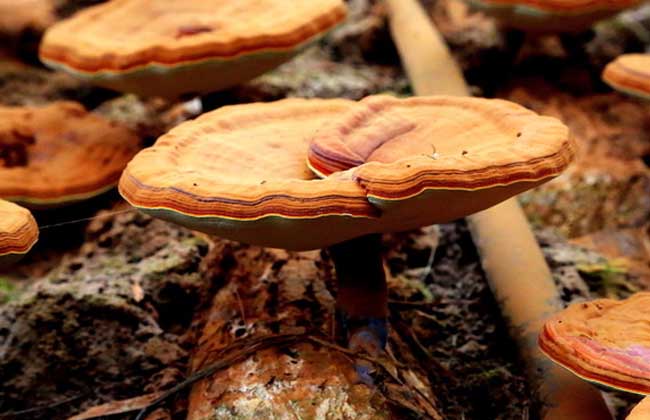
Reishi mushroom Mucor is a common disease caused by Mucor fungi. Mucor, commonly known as hairy mold, is a common contaminating microorganism in mushroom cultures. It grows quickly and occurs widely, and it favors high temperature and high humidity. When the temperature is high and humidity is high, the incidence rate is very high if ventilation is poor. Let's take a look below at the prevention and control methods for reishi mushroom Mucor disease!
Characteristics of Mucor outbreak in reishi mushrooms
Mucor fungi often live on organic matter. Mature spores spread through the air, and when temperature and humidity are suitable, they germinate hyphae on organic matter, especially in high-temperature and high-humidity environments, where they grow rapidly. During the mushroom culture growth process, incomplete disinfection and sterilization of the growing substrate and inoculation tools, failure of workers to strictly follow aseptic operating requirements during handling, or damp cotton plugs on culture bottles and culture bags can all cause contamination. If the cultivation room remains poorly ventilated for a long time, the incidence rate is high.
Harmful characteristics of Mucor in reishi mushrooms
Mucor can secrete organic acids and toxins that inhibit the growth of reishi mushroom hyphae. After the culture medium is affected, the hyphae appear grayish-white and relatively thick, and grow quickly. In the later stage, many yellow-white round small granules form at the tips of the aerial hyphae, which gradually turn black. Mucor fungi compete with reishi mushroom hyphae for nutrients and water. Mucor has a very strong ability to decompose proteins and strong resistance, inhibiting hyphal growth.
Prevention and control measures for Mucor in reishi mushrooms
1. Do a good job of environmental sanitation, and keep the inoculation room and inoculation box clean, dry, and strictly disinfected.
2. Choose a suitable cultivation site, away from livestock manure and other substances containing organic matter.
3. Use fresh, dry raw materials free of mold as the growing substrate. When mixing the substrate, control the proportion of wheat bran and rice bran to within 10%.
4. When mixing the substrate, use 25% carbendazim at 0.2% of the dry material weight, or thiophanate-methyl at 0.2% of the dry material weight.
5. Strengthen cultivation management, ventilate in a timely manner, maintain appropriate temperature and humidity in the cultivation room, keep the environment clean and hygienic, and destroy the living environment of the pathogen.