Prevention and Control Methods and Technical Key Points for Neurospora in Ganoderma lucidum Cultivation
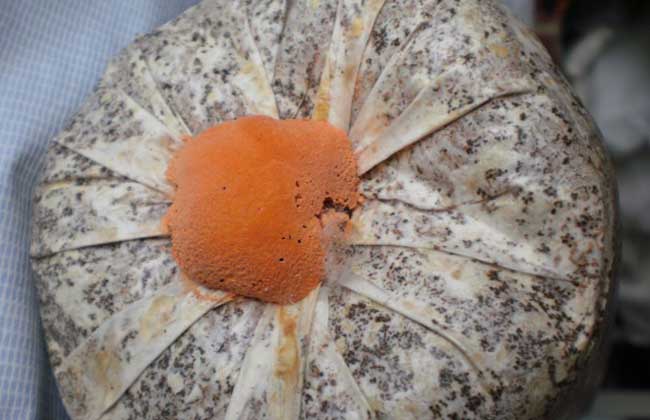
Neurospora, also known as red bread mold, Neurospora, or Monilia, has transparent, branched, multi-septate, and loose hyphae forming a network. Conidiophores grow from the hyphae, and conidia are produced at the tips of the conidiophores. The main species include Neurospora sitophila, Neurospora crassa, Neurospora sitophila, and Neurospora intermedia. Let's take a look at the prevention and control methods for Neurospora in Ganoderma lucidum cultivation!
Occurrence Patterns of Neurospora in Ganoderma lucidum Cultivation
1. Neurospora is widely distributed, lives on organic matter, and spreads through airflow. Unsanitary sites, poor aseptic conditions, incomplete sterilization, damp or loose cotton plugs, and sand holes in mushroom bags are the main pathways for primary infection by Neurospora. Once infected, the newly produced conidia serve as the pathway for secondary infection.
2. Neurospora has extremely strong viability and thrives in high temperature and high humidity. It grows rapidly when oxygen is abundant, can grow at 4-44°C, and grows fastest at 25-36°C. It grows rapidly when the moisture content of the substrate is 53-67%, and can grow at pH 3-9. The high-temperature season is the peak period for its occurrence.
Damage Characteristics of Neurospora in Ganoderma lucidum Cultivation
1. It strikes fiercely, spreads quickly, and causes great harm. Once it occurs, it is difficult to control, and generally burial or burning is carried out.
2. Conidia germinate faster than the hyphae of other molds.
3. Aerial hyphae have strong resistance and vigor, can penetrate cotton plugs, and burst through mushroom bags.
4. Neurospora causes rampant damage in hot and humid summers, spreading extremely fast mainly at the bag opening of the substrate and the base and edges of the fruiting bodies, producing large amounts of orange-red powdery spores.
Prevention and Control Methods for Neurospora in Ganoderma lucidum Cultivation
1. The substrate must be fresh, free of clumps and mold, sun-dried before use, thoroughly sterilized, prevent cotton plugs from getting damp, and reduce damage to the spawn bags.
2. Spray the cultivation site, bed frames, walls, etc. with a 500-fold dilution of 70% thiophanate-methyl solution.
3. For mildly infected cotton plugs, under aseptic conditions, sterilize the bottle mouth and cotton plug by burning with a flame, dip the cotton plug in lime powder, and put it back in place. If the cultivation bag is contaminated but the Ganoderma lucidum hyphae still have strong viability, dig a pit 30-40 cm deep under tree shade, arrange the bags in it, cover with moist soil, and after about half a month the Neurospora will disappear. If severely contaminated, promptly remove and burn or bury deeply to prevent conidia from spreading and infecting again.
4. Note that once orange-red block-shaped conidial masses appear, carefully wrap them with a wet cloth or wet paper and remove them, immerse them in the medicinal solution or bury them deeply. Never spray the fungicide directly on the pathogen with a sprayer, to avoid scattering the spores.