How to prevent and control yeast diseases in reishi mushrooms? Detailed explanation of prevention and control methods
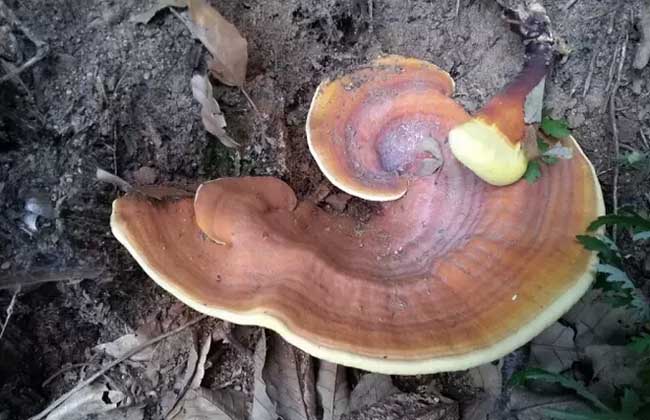
Yeast in reishi mushrooms is a type of ascomycete without filamentous hyphal structure, widely distributed in nature. During the production and cultivation of edible mushroom spawn such as reishi (Ganoderma) and silver ear (Tremella), it can contaminate culture media and substrate, mainly contaminating the substrate, causing it to deteriorate and inhibiting mycelial growth. Let us take a look at the prevention and control methods for yeast in reishi mushrooms!
Harmful symptoms of yeast in reishi mushrooms
When yeast infects, it mostly starts from the middle of the silver ear (Tremella) substrate, causing the substrate to ferment and deteriorate, with a sour alcoholic odor being released, affecting mycelial growth and development, and further affecting yield and quality.
Characteristics of yeast outbreaks in reishi mushrooms
Yeast lives on organic matter, and its spores spread through airflow. During spawn production or raw material cultivation, due to incomplete disinfection and sterilization, excessive and tightly packed substrate in bottles and bags, and tightly arranged bottles and bags, this fungus is prone to occur. High temperature and high humidity favor yeast germination and reproduction. Excessive bed material thickness and excessively high substrate moisture content can both cause substrate fermentation and deterioration.
Prevention and control methods for yeast in reishi mushrooms
1. During spawn production, use an appropriate amount of spawn bags and avoid packing the substrate too tightly. During sterilization, maintain appropriate spacing between bottles and bags to facilitate even dispersal. For stock cultures and cultivation spawn, the atmospheric intermittent sterilization method should not be used. One-time atmospheric sterilization should be maintained at 100°C for at least 8 hours.
2. Perform aseptic operations during inoculation, and workers must strictly follow inoculation procedures.
3. During cultivation, mix 0.2% of 25% carbendazim or 0.1% thiophanate-methyl based on dry material weight into the substrate. Maintain appropriate moisture content and temperature of the substrate. Spray with clean water to reduce the occurrence of pathogens.
3. During cultivation and production, if the substrate temperature is found to be too high and a sour odor is released, promptly irrigate the substrate with lime water (pH 13-14) to control yeast reproduction.