What Exactly Is Rou Lingzhi? A Comprehensive Guide
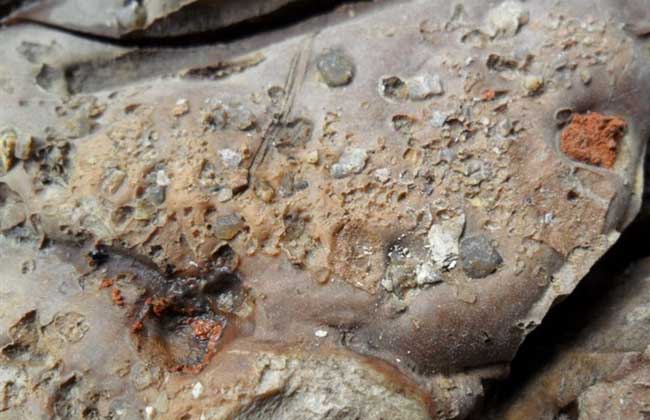
Rou Lingzhi, also known as Taisui, is said to be the elixir of immortality that Qin Shi Huang searched for tirelessly. Li Shizhen's "Compendium of Materia Medica" records Rou Lingzhi and includes it in the "vegetable" section under the "zhi" category, stating it can be eaten and used as medicine, and reveres it as a "top-grade substance in the Classic of Materia Medica," with effects described as "taken over time, it lightens the body and prevents aging, leading to immortal longevity." According to the "Shennong Bencao Jing": "Rou Lingzhi is non-toxic, tonifies the center, benefits vital essence and qi, enhances wisdom, treats accumulations in the chest, and taken over time lightens the body and prevents aging." The "Classic of Mountains and Seas" calls it "Shi Rou," "Ju Rou," "Taisui," and "Feng," and it was a delicacy for health preservation among ancient emperors. Taisui is extremely rare and is the finest among all medicines. Some classical texts record that Taisui is neutral in nature, bitter, non-toxic, and has values such as tonifying the spleen, moistening the lungs, tonifying the kidneys, and benefiting the liver.
Modern science has found that Rou Lingzhi is a large plasmodial composite organism between protozoa and fungi. Its structure is not composed of a single type of cell, but is an aggregate made up of three categories: bacteria, slime molds, and fungi. Research has shown that Rou Lingzhi feeds on microscopic organisms such as bacteria, yeast, and mold spores, and uses cellulose, chitin, and chitosan as nutrients. Its body is rich in proteins, nucleic acids, as well as Candida and Geotrichum candidum. Its cells contain photosynthetic pigments. According to the analysis in the "Map of the Origin and Evolutionary Lineage of Life," its position should be between algal (fungal-like) plants and protozoa/animals. It has both a trophic form and a fruiting body. Unfortunately, after this organism evolved to this degree, it stopped evolving due to limitations from external light. Therefore, biology experts call it a "blind branch," situated at a fork in the road of life's evolution. Going left would lead to the plant kingdom, going right would lead toward the animal kingdom, and staying put would turn it into a fungus-like organism such as mushrooms or lingzhi. It is the fourth form of life in nature that is neither plant, nor animal, nor fungus, and is the oldest living specimen of ancient life discovered to date, as well as the ancestor of humans and all animals and plants.
Although many classical texts record that "Rou Lingzhi" has the effect of enhancing human immunity, in reality fungal varieties are extremely complex. Even if it truly is "Taisui," it may itself carry various harmful organisms or toxic substances. Before the material composition of "Taisui" is clearly understood, it is not recommended that people take it casually. Scientists worldwide still have very limited research on fungi. There are 1.5 million to 2 million species of fungi in nature, including myxobacteria, and the scientific community has studied only 5% of them. At this stage, human research on 'Taisui' is still in its early stages.
Wild Taisui Rou Lingzhi has survived since ancient times, which is enough to show the strength of its vitality, exactly as described in ancient books: "Eat it all, and it will regenerate as before," meaning that eating one piece allows another to grow. Although Taisui grows very slowly, it is still constantly growing. Under suitable conditions, Taisui Rou Lingzhi can reproduce indefinitely at any size. One jin of Taisui can be evenly divided into 100 parts or 10,000 parts, and each cut piece is a living body, and each piece grows on its own. This is a characteristic unmatched by any other living organism in nature. It also possesses certain characteristics that other species do not have: it cannot be killed by freezing -- stored at minus 18 degrees for 50 hours, it remains alive after being taken out. Taisui Rou Lingzhi has strong anti-rot properties, cannot be killed by sun exposure, cannot die of thirst, and cannot die of hunger. Although the one-time cost of purchasing Taisui is very high, because of its undying characteristics, the relative price is still cheap.
Scientific research has found that Rou Lingzhi has major development value in three aspects. First, because its body contains highly anti-rot substances, it has major development value in the fields of pollution-free food development, food additives, and food preservatives. Second, Rou Lingzhi has extremely strong vitality and adaptability, and its body contains abundant substances that improve immunity, so it has development value in health products. Third, Rou Lingzhi can replicate itself by absorbing organic matter and humus. Its body contains the strongest biologically active component substance discovered on Earth to date, and has the most complete functional nutritional elements. From the perspective of traditional Chinese medicine, it is the finest among tonics, so it has major development value in medicine.