Is Verbena Poisonous? Understanding Its Toxicity in One Article
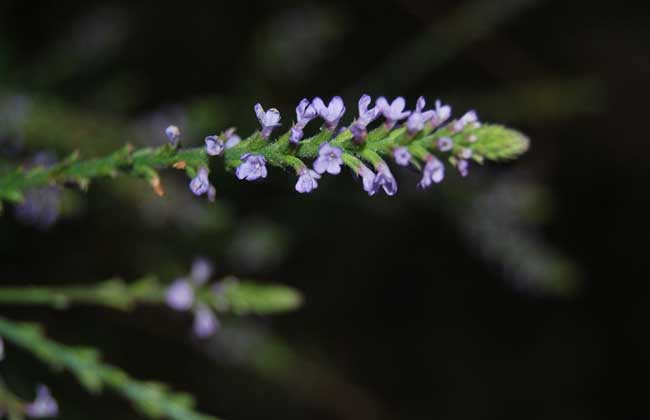
Verbena is a perennial upright herbaceous plant of the genus Verbena in the family Verbenaceae, native to Europe, mostly growing in the wild. It is distributed across most of East China, South China and Southwest China. The whole plant is used medicinally and has the effects of cooling the blood, dispersing blood stasis, promoting menstruation, clearing heat, removing toxins, relieving itching, expelling parasites and reducing bloating. Let us take a look below at whether verbena is actually poisonous!
Is Verbena Poisonous?
Verbena is mildly poisonous. Verbena is listed as a toxic plant in the Chinese Plant Atlas Database; the whole plant is mildly toxic. Verbenalin slightly excites sympathetic nerve endings at small doses and inhibits them at large doses, and in mammals it can promote milk secretion. Its preparations can treat malaria, diphtheria, influenza and so on. Some people experience reactions such as nausea, dizziness, headache, vomiting and abdominal pain after taking it, and it is forbidden for pregnant women.
Medicinal Value of Verbena
[Nature and Flavor] Bitter in taste, cool in nature, mildly toxic.
[Meridian Tropism] Liver and spleen meridians.
[Effects] Clears heat and removes toxins, activates blood and disperses stasis, promotes diuresis and reduces swelling; treats externally contracted fever, damp-heat jaundice, edema, dysentery, malaria, diphtheria, throat impediment, gonorrhea, amenorrhea, abdominal masses, carbuncles and sores, and gum disease.
[Contraindications] Pregnant women should take it with caution.
[Usage] Internal use: decocted in water, 0.5 to 1 liang (1 to 2 liang of fresh juice pounded from the fresh plant), or made into pills or powders. External use: pounded and applied, or decocted in water for washing.
Clinical Applications of Verbena
1. Treating malaria: Take 60 to 150 grams of fresh verbena (halve the amount for dried), add water and decoct thickly to about 300 milliliters, take once each 4 hours and 2 hours before the onset of symptoms, for 2 to 4 consecutive days; also use 15 grams of dried whole plant each time (reduce the amount for children), 1 dose per day, decocted in water and taken in 2 divided doses, for 6 consecutive days. In 33 patients, 48 hours after symptoms disappeared, blood tests for malarial parasites all turned negative, with an effective rate of 92%.
2. Treating diphtheria: Take 30 grams of dried verbena (whole plant) and decoct thickly to about 300 milliliters. Adults take 150 milliliters each time, twice daily; children aged 8 to 14 take 100 milliliters each time, twice daily; children under 8 take 50 milliliters each time, 3 to 4 times daily, all for 3 to 5 consecutive days. Of 50 cases of diphtheria treated, all were cured. After medication, the average fever reduction time was 15.3 hours, the pseudomembrane disappearance time was 2.2 days, the throat swab culture turning negative time was 2.4 days, and the average hospital stay was 4.6 days.
3. Treating infectious hepatitis: 500 grams of verbena was made into 800 milliliters of decoction; adults took 40 to 50 milliliters and children 20 to 30 milliliters, all 3 times daily, treating a total of 80 cases. 77 cases were cured, 2 cases showed marked improvement, and 1 case was ineffective. The average time for jaundice to disappear was 15 days, various digestive system symptoms disappeared in 3 to 12 days, liver enlargement retracted in 72 cases within 14 to 35 days, and liver function and transaminase tests returned to normal in 79 cases within 10 to 30 days. The average hospitalization time was 23.6 days.
4. Treating influenza: Use 30 grams of verbena, 15 grams each of sweet wormwood and notopterygium, and decoct. 1 dose per day, taken in 2 divided doses, or ground into powder and mixed with flour to make a tea preparation to be taken after mixing with water. After medication, 51 cases were followed up: 46 cases were cured, 3 cases were effective, and 2 cases were ineffective.
6. Treating filariasis: With verbena as the main ingredient, combined with perilla leaf and sweet wormwood, 81 patients with filariasis who tested blood-positive but had no obvious signs were treated. After 1 course of treatment, re-examination showed a microfilaria negative conversion rate of 90%, and after 45 days the negative conversion rate on re-examination was 81.4%. 30 grams of verbena, 15 grams of perilla leaf, and 12 grams of sweet wormwood were added to water, boiled and concentrated to 50—80 milliliters, 1 dose per day, taken on an empty stomach in 2 divided doses in the morning and evening. For children aged 1 to 10 and 11 to 15, the dosage was about 1/3 and 2/3 of the total adult dose respectively, taken for 10 consecutive days as 1 course of treatment. There were no serious side effects after medication; only a few patients experienced nausea, dizziness, headache, vomiting and abdominal pain, which recovered on their own.
7. Treating schistosomiasis: It has been reported that verbena was ground into powder or made into pills for oral use, 3 times daily, 1 pill each time (each pill containing 3 grams of verbena), for 8 to 10 days as 1 course of treatment, showing certain efficacy in treating early and mid-stage schistosomiasis, with stool re-examination turning negative in some cases.