Where are the main producing areas of Lysimachia christinae distributed? A list of the main producing areas
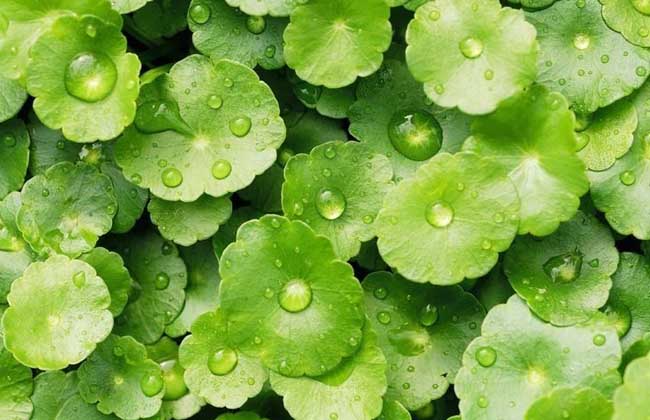
Lysimachia christinae is a perennial creeping small herb of the Primulaceae family, also known as Luodi Jinqian, Qianqianjin, Lianqiancao, Guoluhuang, Jingmiancao, etc. It is a common plant and also a traditional Chinese medicinal herb. Its main effects can prevent stones and promote cholagogic stone expulsion. It can be said to have a very good therapeutic and preventive effect on stones. Now let us take a look at the distribution of the producing areas of Lysimachia christinae!
The distribution of the producing areas of Lysimachia christinae
Lysimachia christinae is distributed in all provinces south of the Yangtze River in China and in Taiwan, China. It is widely distributed in tropical and subtropical regions of both hemispheres, and grows wild and is artificially cultivated at an altitude of 1300-1980 m on hillside grasslands, roadsides or ditch sides.
The growing environment of Lysimachia christinae
Lysimachia christinae has strong adaptability to the pH of water, but it is best to keep it between 6.5-7.5. It likes warmth, avoids high temperatures, and tolerates low temperatures. It grows well within a temperature range of 16-24°C, and the overwintering temperature should not be lower than 5°C. When the room temperature exceeds 30°C, plant growth will be inhibited. It likes moisture and is more commonly seen in places with flowing water sources.
The effects and functions of Lysimachia christinae
1. Stone-expelling effect: Lysimachia christinae has cholagogic stone-expelling and diuretic stone-expelling effects. The polysaccharide components in the insoluble matter have an inhibitory effect on the crystallization of calcium oxalate monohydrate CaC2O4·H2O, the main component of urinary tract stones, and the inhibitory effect increases with increasing concentration. It can also make blood and urine acidic, dissolve stones that can only exist in an alkaline environment, slow the growth rate of CaC2O4·H2O, and reduce the degree of crystal aggregation, thereby helping to treat stones. It has been widely used in modern clinical practice and has achieved good results. People usually drink it soaked in water as a tea beverage because Lysimachia christinae can be used for the effects of clearing heat, promoting diuresis and expelling stones.
2. Cholagogic effect: Pharmacology and clinical practice have confirmed that it indeed has a cholagogic effect. The cholagogic effect may lie in promoting the secretion of bile by liver cells, increasing bile in the liver and gallbladder, raising internal pressure, and relaxing the sphincter of Oddi, thereby increasing bile excretion.
3. Thrombosis inhibition: The total flavonoids of Lysimachia christinae can significantly reduce the wet weight and dry weight of venous thrombosis in rats under pathological conditions, lower the percentage of thrombosis formation, and show a significant thrombosis inhibitory effect.
4. Enhancing immunity: Lysimachia christinae has an inhibitory effect on cellular immunity and can enhance the phagocytic function of mouse macrophages. Lysimachia christinae is beneficial as an immunosuppressant for organ transplantation or autoimmune diseases.