Plantain cultivation techniques explained in detail, the whole process from sowing to harvesting
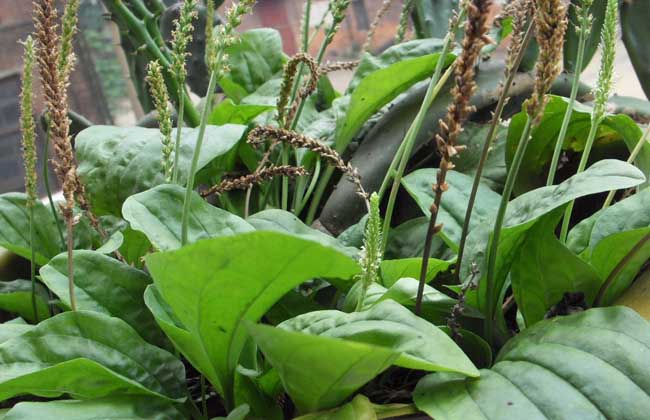
Plantain, also known as chechacao, Pingcheqian and other names, is an annual or biennial herbaceous plant of the genus Plantago in the family Plantaginaceae. It grows in grasslands, riverbanks, ditch edges, meadows, fields and roadsides, at altitudes of 5-4500 m. It is distributed in most areas of China. The young plants are edible and have diuretic, heat-clearing, vision-improving and phlegm-resolving effects. Let us take a look at plantain cultivation techniques below!
Plantain cultivation conditions
Plantain has strong adaptability and can be seen everywhere in China from south to north in mountain fields, roadsides and riverbanks. Plantain is cold-resistant and drought-resistant, and has no strict requirements for soil. It grows well in warm, moist, sunny, sandy fertile soil. Stems and leaves can grow normally within the range of 20-24 degC. When the temperature exceeds 32 degC, growth slows, the plant gradually withers and eventually the whole plant dies. Slightly acidic sandy alluvial loam is preferable for the soil.
Plantain cultivation techniques
1. Land preparation and fertilization: choose moist, relatively fertile sandy loam as the best option. The root system of plantain is mainly distributed in the 10-20 cm tillage layer, so land preparation must be careful. Plow the soil 15-20 cm deep, break up the clods and make beds. The beds are 1 m wide and 10-15 m long, and 4000 kg of organic base fertilizer is applied per mu.
2. Timely sowing: the drill sowing method is simple, saves labor and effort, with a row spacing of 15-20 cm and a plant spacing of 6-7 cm. Open shallow furrows 1-1.5 cm deep, cover with a little soil after sowing, just enough that the seeds are not visible, and press once to prevent soil moisture evaporation and help the seeds germinate. Because the seeds germinate slowly, if the soil is dry, spray water once 2-3 days after sowing. The water flow should be small, and after watering, shallowly loosen the dry surface soil to avoid exposing the seeds. Seedlings emerge 10-15 days after sowing. The seeding rate is 0.3-0.5 kg per mu.
Plantain field management
1. Thinning and weeding: after the seedlings are fully emerged, promptly pull out weeds while thinning. When the seedlings are 6-7 cm tall, young plants can be harvested for food along with thinning. Plantain seeds are tiny, and after emergence the plants grow slowly and are easily suppressed by weeds, so weeds should be removed in time during the seedling stage. Generally, loosening soil and weeding are carried out 3-4 times a year.
2. Reasonable topdressing: plantain likes fertilizer. After fertilization there are more leaves, more spikes and longer spikes, and the yield is high. Generally, topdressing is carried out 3 times. The first time is in May, applying 1500 kg of dilute human and livestock manure water per mu. The second time is in early July, applying 10 kg of diammonium phosphate per mu. The third time is after seed harvesting, applying 1500 kg of barnyard manure per mu in furrows.
3. Disease and pest control: the main disease of plantain is powdery mildew. A layer of gray-white powder appears on the surface or underside of the leaves, and finally the leaves wither and die. In the early stage of the disease, spray 50% thiophanate-methyl 1000-fold solution for control.
4. Harvesting and processing: plantain is used medicinally for its seeds. When the fruits are ripe, cut off the fruit spikes, dry them in the sun and rub out the seeds, then winnow away impurities. The yield of dry seeds is 40-50 kg per mu.