Where is mugwort distributed? A detailed introduction to its main production areas
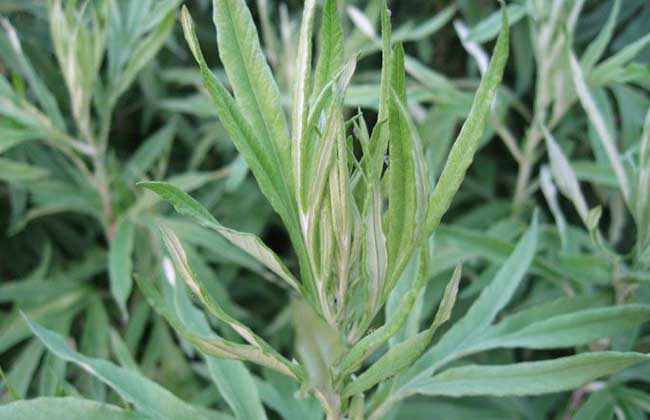
Mugwort is a perennial herbaceous or slightly subshrub-like plant of the genus Artemisia in the Asteraceae family. The plant has a strong aroma, and the whole herb is used as medicine. It has effects such as warming the meridians, removing dampness, dispelling cold, stopping bleeding, reducing inflammation, relieving asthma, relieving cough, preventing miscarriage, and resisting allergies. When dried and pounded, it yields “moxa floss”, which is made into moxa sticks for moxibustion and can also be used as a raw material for “seal ink paste”. Now let us take a look at the production area distribution of mugwort!
The production area distribution of mugwort
The production area distribution of mugwort is extremely wide. Apart from extremely arid and high-cold regions, it is found almost throughout the country. It grows in wasteland, roadsides, riversides, and hillsides from low altitude to mid-altitude areas, and is also seen in forest-steppe and steppe regions. In some areas it is the dominant species of the plant community. It is also found in Mongolia, Korea, and the Soviet Union (Far East region), and is cultivated in Japan.
The production environment of mugwort
Mugwort reproduces and grows extremely easily, has strong adaptability to climate and soil, is cold-resistant and drought-resistant, and prefers a warm, humid climate. It grows better in moist and fertile soil. Under artificial cultivation in hilly and low-to-mid mountainous areas, the vigorous growth period is 24-30°C. When the temperature is higher than 30°C, the stems tend to age, branch out, and pests and diseases worsen. When the winter low temperature is less than -3°C, the current-year perennial root grows poorly.
Cultivation techniques for mugwort
1. Propagation methods: The propagation methods of mugwort include seed propagation, rhizome propagation, and division propagation. Seed propagation has a low germination rate of only 5%, and the seedling stage is long (2 years), so it is generally not used. Rhizome propagation has a high survival rate, but the seedling stage is relatively long (2 months). Division propagation is the best. It not only has a high survival rate but also has no seedling growth period, and the propagation speed is fast, so it is widely used. For breeding improved varieties, the requirements are thick and large leaves, thick and upright stems, dark green leaf color, a strong aroma, dense hairs, and a well-developed root system in the seedlings.
2. Planting density: Usually in February to March, when the seedlings are 5-10 cm tall, choose a time when the ground is moist (preferably after rain or on a cloudy day), separate the seedlings from the stem base of the mother plant, and plant them at a spacing of 30 cm × 40 cm, with 2-3 plants per hole, then cover with soil and press firmly. If there is no rain within 2-3 days after planting, drip irrigation should be used to preserve soil moisture. Plant 150 plants per sq m, with an average of 4 grams of dried mugwort leaves per plant, and a single yield of about 5250 kg of dried mugwort leaves per hectare.
3. Soil tillage and preparation: Generally, one intertillage and weeding is carried out in early April to a depth of 15 cm. In early to mid-June, after the Qiai mugwort is harvested, the garden plot is turned over and sun-dried, dead branches and fallen leaves are removed, and excessively dense stem bases and perennial roots are thinned out to a depth of 15 cm.
4. Fertilizer application: After the mugwort plants survive planting, when the seedlings are 30 cm tall, apply 90 kg per hectare of urea as a seedling-promoting fertilizer, broadcasting it on cloudy and rainy days and spraying it on the leaves on sunny days. In early November, apply farmyard manure, stable manure, cake fertilizer, etc. as base fertilizer.
5. Water management: Shape the bed surface into a turtle-back form so that the drainage ditches are unobstructed. In dry seasons, use leaf spray irrigation when the seedlings are below 80 cm tall, and flood irrigation of the whole garden when the seedlings are above 80 cm tall.