How to Propagate Paris polyphylla? A Detailed Guide to Common Propagation Methods
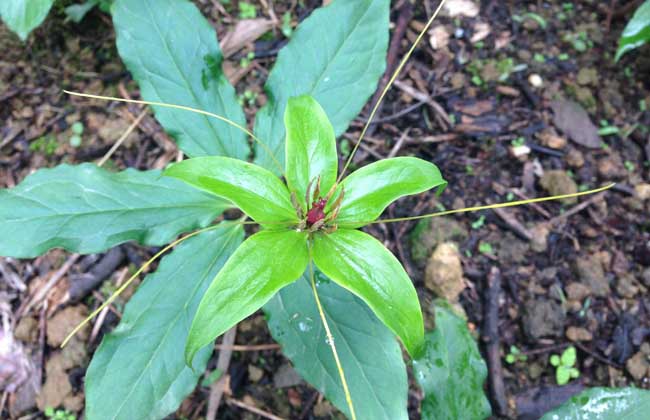
Paris polyphylla is the dried rhizome of the Liliaceae plant Yunnan Paris polyphylla or Paris polyphylla var. chinensis, with effects of clearing heat and detoxifying, reducing swelling and relieving pain, and cooling the liver to calm convulsions, and it has very high cultivation prospects. There are generally two propagation methods: seed propagation and rhizome propagation. Let's take a look at the propagation methods of Paris polyphylla below!
Growth Habits of Paris polyphylla
Paris polyphylla grows on shady and damp spots under mountain forests and in thickets, growing under forests at an altitude of 1800-3200 m. It prefers warmth, moisture, and shade, but is also cold-resistant and drought-tolerant, and fears frost and direct sunlight. It is planted in sandy soil and loam soil with an average annual temperature of 13-18°C and relatively high organic matter and humus content, and it is especially suitable for planting by riversides, ravine edges, and shady hillsides.
Rhizome Propagation of Paris polyphylla
The cultivation of Paris polyphylla is mainly based on rhizome propagation. Rhizome propagation is simple and easy to use, with an extremely high survival rate of over 90%, and it can be planted year-round. Use complete rhizomes with buds (which can flower and set seed in the same year) or residual buds and stems with sprouting ability, cut them into small sections, dry them properly after cutting and mix with plant ash, sow them in furrows at a plant spacing of 10-30 cm x a row spacing of 30-50 cm, cover with soil no more than 3-5 cm, and cover the surface with dead plant leaves or plastic film, which can play a role in moisturizing and protecting the buds. March to June each year is the seedling emergence period of Paris polyphylla.
Seed Propagation of Paris polyphylla
The seeds of Paris polyphylla have an obvious after-ripening effect. The embryo needs to complete after-ripening through dormancy before it can germinate. Under natural conditions, it takes two winters before it can emerge from the soil and become a seedling, and the emergence rate is relatively low. The seeds mostly mature from September to December, and are sown immediately after harvest. In August of the second year, a small number of seedlings emerge, and most seedlings do not grow until after May of the third year. The seedlings bred from seeds grow slowly, and the emergence rate is extremely low. After 3 years, when Yunnan Paris polyphylla seedlings form obvious rhizomes, they can be transplanted. Generally, seed propagation takes 5-8 years to harvest.