A Detailed Explanation of the Processing Methods and Key Operating Points for Polygala Root
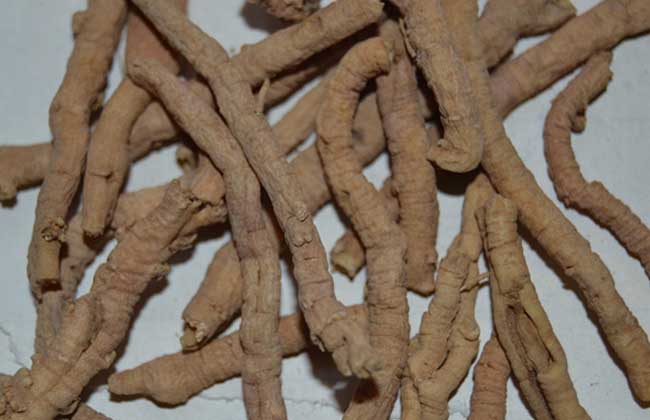
Polygala root, also known as Yaorao, Jiyuan, Jiwan, Xiaocao, Xicao, Xian'ercha, Xiaocaogen, Shenshacao and so on, is a commonly used Chinese medicinal herb. In clinical practice, three processed products are mainly used: raw polygala root, licorice-processed polygala root and honey-fried polygala root. Its processing methods vary from place to place, but generally the pharmacopoeia method is used. Let us now take a look at the processing methods for polygala root!
The Effects and Functions of Polygala Root
[Nature and Flavor] Bitter and pungent in flavor, slightly warm in nature.
[Meridians Entered] Heart, kidney and lung meridians.
[Effects] Calms the mind and boosts intelligence, eliminates phlegm and reduces swelling. Used for insomnia and frequent dreaming, forgetfulness and palpitations, mental confusion, difficult expectoration, sores and swellings, and breast swelling and pain caused by disharmony between the heart and kidney.
Common Types of Polygala Root
1. Polygala tube: The polygala tube is tube-shaped, hollow, twisted and not straight, 3-12 cm long and 0.3-1 cm in diameter. Its surface is gray or grayish-yellow, and the whole body has dense, deeply sunken transverse wrinkles. Some have fine longitudinal lines and small nodular root scars. It is brittle and breaks easily; the broken surface is yellowish-white and relatively flat, with a slight grassy smell, a bitter and slightly pungent taste, and a prickly sensation in the throat.
2. Polygala flesh: The polygala flesh is mostly broken, thin, with fewer transverse wrinkles.
3. Polygala stick: The polygala stick, also known as polygala stem or polygala bone, is small, with a relatively hard pale-yellow woody core in the middle.
Processing Methods for Polygala Root
1. Cleaning: Remove impurities, wash briefly, moisten thoroughly, and remove the core.
2. Cutting: Wash briefly, moisten thoroughly, cut into sections, and dry.
3. Licorice processing: Take licorice, add an appropriate amount of water and decoct into a soup, remove the residue, add cleaned polygala root, and simmer over gentle heat until the soup is fully absorbed. Remove and dry. For every 100 kg of polygala root, use 6 kg of licorice.
4. Honey processing: Take honey-fried polygala root, add refined mature honey and a little boiling water, mix well, let it sit briefly, then place in a wok and stir-fry over gentle heat until it is no longer sticky to the touch. Remove and let cool. For every 100 kg of polygala root, use 20 kg of refined honey.
5. Cinnabar processing: Take processed polygala root, moisten with water, sprinkle in fine cinnabar powder, mix well, and dry in the air. For every 100 kg of polygala root, use 2 kg of cinnabar.
6. Stir-frying: Take polygala root soaked in licorice water and stir-fry over low heat until dry, or until yellow.
7. Charring: Take polygala root soaked in licorice water and stir-fry over low heat until brownish-black or completely black. Sprinkle lightly with clean water, dry, and let cool.
8. Steaming: Take raw polygala root, remove impurities, then separately use 5% coarse licorice powder, add an appropriate amount of water and steam to extract the juice 2 times. Soak the polygala flesh in the licorice juice until fully absorbed, place in a steaming vessel, and steam over high heat for about 2 hours until thoroughly steamed and yellowish-brown. Remove and sun-dry.
9. Bran processing: First spread bran into a wok, and when the bran begins to smoke, pour in the polygala root soaked in licorice water. Stir-fry over medium-high heat until the surface of the polygala root is slightly scorched. Remove, discard the bran, and let cool. For every 500 g of polygala root, use 60-90 g of bran.