How to Propagate Solomon's Seal? A Detailed Guide to Common Propagation Methods
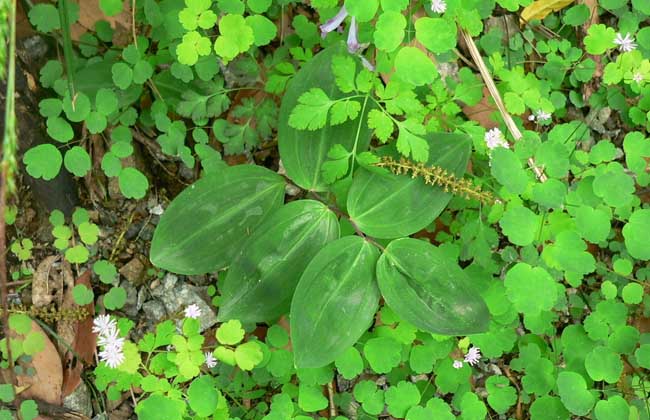
Solomon's seal (Polygonatum odoratum) is a perennial herbaceous plant of the Liliaceae family, whose roots are used as medicine. It originated in southwestern China, but is widely distributed in the wild. It is cold-resistant and also shade-tolerant, disliking direct strong light and windy conditions. It prefers moist environments and grows best in loose soil rich in humus. Let's take a look at the propagation methods of Solomon's seal below!
Seed Propagation of Solomon's Seal
1. Seed collection: Harvest wild fruits in September, soak them in water, rub off the fruit skin and flesh, mix with damp sand for sand storage until the following spring, then take them out for sowing.
2. Sowing method: On a prepared seedbed, open furrows at a row spacing of 10 cm, sow the seeds evenly into the furrows, cover with 2 cm of soil, and press down lightly.
Rhizome Propagation of Solomon's Seal
1. Seed rhizome selection: At autumn harvest, select plump, yellow-white root buds grown in the current year to keep as seed stock. Dig, select and plant them in sequence. If weather changes prevent planting, the root buds must be spread out in a windproof, shaded indoor spot. Generally, 200-300 kg of seed rhizomes are used per mu.
2. Planting method: Generally from early October to late October, choose a cloudy or sunny day for planting. When planting, open furrows 15 cm deep on the bed at a row spacing of 30 cm, then lay the seed rhizomes flat in the furrows at a plant spacing of about 15 cm, immediately cover with decomposed manure, then cover with a layer of fine soil level with the bed surface.
Field Management of Solomon's Seal
1. Cultivation and weeding: No seedlings emerge in the planting year. After seedlings emerge the following spring, weed promptly. The first weeding can be done by hand pulling or shallow hoeing to avoid injuring the tender shoots. After that, keep the soil surface free of weeds. In the second year, the rhizomes have spread densely through the surface layer, so only hand pulling is suitable for weeding.
2. Timely topdressing: In the winter of the planting year, open shallow furrows between the rows and apply 800-1000 kg of livestock manure per mu, then cover with soil for the winter. In the second year, when the seedlings are 7-10 cm tall, apply fertilizer once more. After the plants die back in winter, shallowly loosen the surface soil between the rows and broadcast a layer of decomposed dry fertilizer (cow manure, mixed compost, etc.), then earth up 7-10 cm. Adding green grass or dead branches and fallen leaves on top is even better. After seedlings emerge in the third spring, apply 1500-2000 kg of human waste water per mu, then earth up after application.
3. Harvest and processing: Solomon's seal is generally dug up around mid-August. Choose a time after rain when the weather clears and the soil is slightly dry. Cut off the stems and leaves at ground level with a knife, then dig out the rhizomes along the rows with a rake, taking care not to break or bruise them. Then grade the fresh rhizomes by size, spread them in the sun to dry for 3-4 days. When the outer surface becomes soft and sticky juice seeps out, gently shake them in a bamboo basket to remove root hairs, sand and soil, and continue drying. When the rhizomes turn from white to yellow, rub them by hand or tread and knead them repeatedly with both feet. Repeat this several times until they are oily, soft, smooth, free of hard cores and yellow in color, then sun-dry them thoroughly.