Where is the origin and distribution of dandelion? Introduction to the main production areas nationwide
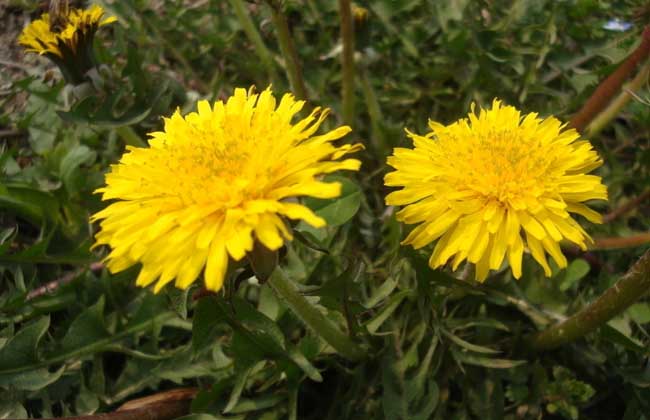
Dandelion is also known as Hua Hua Lang, Pu Gong Cao, edible dandelion, Niao Chuang Cao, Western dandelion, Po Po Ding, etc. It is a perennial herbaceous plant of the genus Taraxacum in the Asteraceae family, widely growing in mountain slopes, grasslands, roadsides, fields and riverbanks in low and mid-altitude areas. Its main origins include China, Korea, Mongolia, Russia and others.
Origin and distribution of dandelion
The domestic origins of dandelion are mainly distributed in Jiangsu, Hubei, Henan, Anhui, Zhejiang, Heilongjiang, Jilin, Liaoning, Inner Mongolia, Hebei, Shanxi, Shaanxi, Gansu, Qinghai, Shandong, Zhejiang, Fujian, Taiwan, China, Hunan, northern Guangdong, Sichuan, Guizhou, Yunnan and other places, while abroad it is mainly distributed in Korea, Mongolia, Russia and other places.
Growing environment of dandelion
Dandelion grows better in a cool environment. When the temperature reaches 5°C and the soil thaws, the alfalfa roots begin to sprout and grow. The most suitable temperature for growth is 10-20°C. When the temperature reaches above 25°C, it instead has a certain impact on its growth, making it prone to aging and slow growth. Apart from the nutritional growth period requiring moist soil, it is not very demanding of other growing conditions. Long daylight is conducive to flowering and fruiting. It is suitable for cultivation in fertile sandy loam soil, and is not suitable for cultivation in compacted, heavy clay soil, which affects yield and quality.
Cultivation value of dandelion
1. Nutritional value: Raw dandelion is rich in vitamin A, vitamin C and potassium, and also contains iron, calcium, vitamin B2, vitamin B1, magnesium, vitamin B6, folic acid and copper. The specific element content is mainly water. Every 60 grams of raw dandelion leaves contain 86% water, 1.6 grams of protein, 5.3 grams of carbohydrates, and about 108.8 kilojoules of calories. It can be eaten raw, stir-fried, or made into soup, and is a plant used both as medicine and food.
2. Medicinal value: Dandelion tastes bitter and sweet, is cold in nature, non-toxic, and enters the liver and stomach meridians. It has the effects of clearing heat and detoxifying, promoting diuresis and dissipating nodules, and is effective in treating acute mastitis, lymphadenitis, scrofula, boils and toxic sores and swellings, acute conjunctivitis, cold and fever, acute tonsillitis, acute bronchitis, gastritis, hepatitis, cholecystitis, urinary tract infections and other conditions.
3. Ornamental value: Dandelion has the effect of greening and beautifying the environment. Whether planted as ground cover or cultivated as bonsai, it has good ornamental value.
4. Beauty value: Dandelion has been relatively widely used in beauty care. Whether for dry skin, oily skin, aging skin, or freckles, pigmented spots, dermatitis, acne as well as acne, sycosis, white hair, hair loss, etc., it can help you eliminate “blemishes”, get rid of worries, and make you “flawless as white jade”, glowing with radiance.