How to Make and Care for Reishi Mushroom Bonsai
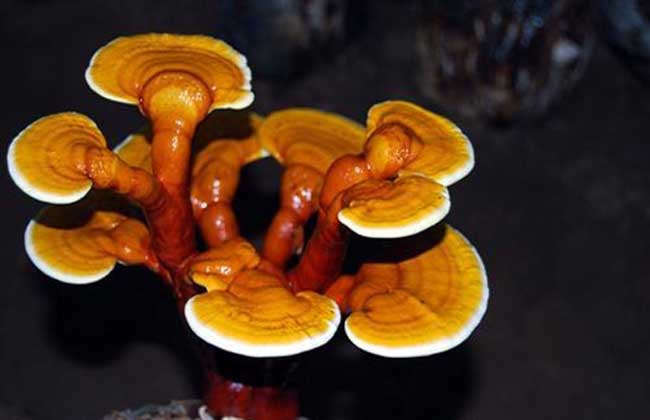
Since ancient times, the reishi mushroom has symbolized longevity, good fortune, beauty, and preciousness. With the development of society, technical instructors have used the biological characteristics of the reishi mushroom, usually inducing it through light, intensity, air, and carbon dioxide concentration, to make it grow into unique shapes, turning it into pots of exquisitely crafted artistic bonsai. Below, let us take a look at the making and care of reishi mushroom bonsai!
Common Types of Reishi Mushroom Bonsai
1. Reishi Buddha type: Since ancient times, the reishi mushroom has been regarded as a symbol of good fortune and wealth, and in the south there is also the custom of enshrining reishi mushrooms, so those who produce reishi mushroom bonsai use the reishi mushroom as a base, on top of which a Buddha statue is placed, further enhancing the ornamental value of the reishi mushroom bonsai.
2. Character-shaped type: Reishi mushroom bonsai shaped into auspicious characters are rare treasures, and the production requirements are extremely demanding in technique.
How to Make Reishi Mushroom Bonsai
1. Selecting the pot: There are many types of reishi mushrooms on the market today. When making bonsai, first choose different types of pots according to the type, shape, size, and color of the reishi mushroom. Usually, a dark-colored ceramic pot is best. Of course, for the sake of the ornamental quality of the reishi mushroom bonsai, it is best not to choose a pot with the same or similar color tone as the reishi mushroom, so as to avoid a monotonous color scheme.
2. Making the bonsai
① First, use sand grains or quartz sand grains to make the reishi mushroom appear as if it were growing among sand and stones. Weave iron wire into a net and place it in the pot, insert the reishi mushroom stem into an appropriate mesh hole, then fill with gravel. Of course, the sand grains here should not be higher than the pot surface.
② Then use glass glue or latex to bond and fix the reishi mushroom and other accessories in appropriate positions in the pot.
③ Finally, use gypsum to fix the reishi mushroom and accessories in the pot. In addition to sand grains, the pot can also be lined with sun-dried moss, fruticose lichen, Selaginella tamariscina, and other plants that do not easily break down and rot, making the bonsai look natural.
How to Care for Reishi Mushroom Bonsai
1. Moisture protection: The finished reishi mushroom bonsai should be stored in a dry, ventilated place to prevent it from absorbing moisture and becoming moldy.
2. Insect protection: Place an appropriate amount of mothballs and other insecticides in the pot to prevent insect damage. If insects are found, fumigation, freezing, or drying treatment should be carried out, and it can also be exposed to sunlight. If the reishi mushroom has wounds or insect holes, seal them with paraffin or adhesive tape to prevent pests from entering and reproducing. The reishi mushroom mycelium is most prone to maggots or insect eggs; alcohol can be injected or applied with an alcohol cotton ball, but be careful not to spray alcohol on the surface of the reishi mushroom, otherwise it will damage the surface and cause it to lose its luster.
3. Dust protection: Because reishi mushroom bonsai can be displayed for a long time, the surface is easily contaminated with dirt and dust and loses its luster. To prevent contamination and maintain brightness, clear lacquer can be brushed onto the surface of the reishi mushroom body. This can prevent insects and moisture, maintain the original luster, and also avoid contamination (even if dust sticks to it, it can be wiped off with one wipe). However, the lacquer should not be too thick, otherwise cracking will occur and affect the beauty of the appearance. To prevent dust and pests from entering, a glass cover can also be used to cover the bonsai.
4. Shaping: As is well known, the reishi mushrooms used in making reishi mushroom bonsai are all artificially cultivated. Of course, there are many types of reishi mushrooms. Producers should strictly match colors and shapes according to the design drawings, and try their best to make the cultivated reishi mushroom bonsai take shape. Stone blocks can be processed or iron wire and the like can be woven into shape.
5. Decoration: The finished bonsai also needs careful decoration to improve its ornamental quality and commercial value, such as a beautifully designed glass cover, which can prevent dust or pests from entering, and a sturdy and attractive packaging box, which can facilitate transportation.