How to Propagate Golden Silk Lotus? Detailed Propagation Techniques and Methods
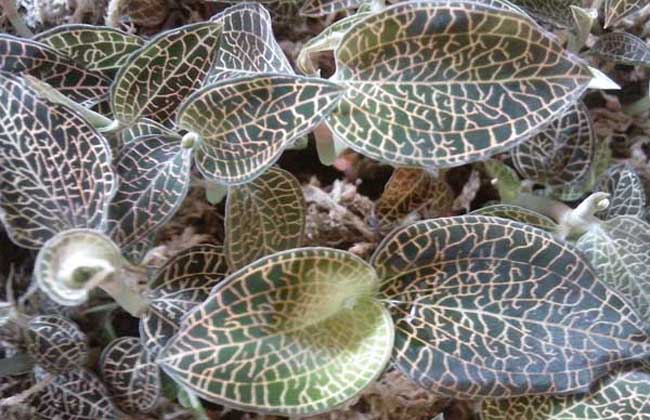
The traditional propagation methods of Golden Silk Lotus are division, cuttings, and seed sowing. Because seeds are difficult to harvest and the germination rate of sowing is low, division and cuttings were mostly used in the past for propagation. However, due to susceptibility to environmental influences, the survival rate of this method is about 30-70%. Large-scale cultivation generally uses tissue culture for propagation. Let's take a look below!
Golden Silk Lotus Division Propagation
Division propagation of Golden Silk Lotus can be carried out in both spring and autumn, generally once every three years. Any plant that grows robustly with dense pseudobulbs can be divided. After division, each clump must retain at least 5 pseudobulbs connected together. Before division, watering should be reduced to make the potting soil relatively dry. When repotting after division, first cover the drainage hole at the bottom of the pot with broken tile pieces, then spread coarse gravel to occupy 1/5 to 1/4 of the pot depth, then add coarse-grained soil and a small amount of fine soil, and then plant with sandy loam rich in humus. The planting depth should be such that the pseudobulbs are just buried in the soil. Leave a 2 cm rim at the edge of the pot, cover the surface with Selaginella uncinata or fine gravel, and finally water thoroughly. Place in a shaded area for 10-15 days, keep the soil moist, gradually reduce watering, and carry out normal maintenance.
Golden Silk Lotus Seed Propagation
The seeds of Golden Silk Lotus are extremely fine. The seed contains only one incompletely developed embryo, and the germination capacity is very low. In addition, the seed coat does not easily absorb water, so sowing by conventional methods cannot cause germination. Therefore, orchid mycorrhizal fungi or artificial culture medium is needed to supply nutrients for germination. For sowing, it is best to select fruits that have not yet split open. After sterilizing the surface with 75% alcohol, take out the seeds, soak them in 10% sodium hypochlorite for 5-10 minutes, take them out and rinse 3 times with sterile water, then sow them in culture bottles containing culture medium, and then place them in a dark culture room, maintaining the temperature at about 25C. After they begin to sprout, move them into the light and they can form protocorms. From sowing to transplanting, Golden Silk Lotus takes half a year to one year. Tissue culture has been successfully achieved, and this method can be used for propagation where conditions permit.
Golden Silk Lotus Tissue Culture
1. Preparing the culture medium: Prepare the culture medium according to specific formula requirements. Package the prepared culture medium well, place it in an autoclave for sterilization. The sterilized culture medium can either be used directly or stored in a sterile inoculation room for later use, but the storage time should not exceed two weeks.
2. Cutting explants and sterilization inoculation: Under sterile conditions, cut explants of appropriate length from organs (stem tip, stem segment, leaf, bud, root) of superior mother plants, inoculate them into the culture medium, and place them in the culture room for induction.
3. Cluster shoot induction and differentiation induction: Under a culture room temperature of 20-28C, a light intensity of 3000-4000Lux fluorescent lamp for 12-16 hours of illumination, and at the same time under the action of high-concentration cytokinin and low-concentration auxin in the culture medium, the explants are prompted to differentiate into clustered shoots.
4. Subculture proliferation:
After the clustered shoots grow in the culture medium for a period of time (usually 20-30 days), as the nutrients in the culture medium are consumed, they must be transferred to fresh culture medium for cultivation, which is subculture. In order to expand the propagation speed and propagation coefficient, subculture transfer should be carried out. By changing the culture conditions, such as culturing at a lower temperature for a few days and then transferring to another higher temperature for a few days, or through liquid shaking culture for a certain period of time, the proliferation speed can be significantly increased.
5. Rooting induction: When the shoots grow to a certain height, transfer them to rooting culture medium with a higher auxin concentration to continue cultivation. First subject the young seedlings to dark culture for one week, then transfer them to normal light, or shorten the light period, which can advance rooting and increase the rooting rate and rooting speed.
6. Seedling transplanting and hardening: Move the rooted seedlings from the culture room to outdoor soil and cultivate them into qualified afforestation seedlings
wood.
①Seedling grading: According to seedling quality indicators, grade the seedlings. Grade I and Grade II seedlings should be transplanted in a timely manner, while Grade III seedlings continue to be cultivated.
②Hardening: Usually use the method of increasing light for about one week of hardening, or add retardants to the culture medium. 1-2 days before transplanting, move the seedlings together with the culture bottles from the culture room to the greenhouse, and open the bottle stoppers.
③Transplanting: When the root system grows to about 1 cm, carefully take the seedlings out of the culture bottles, wash off the culture medium with clean water, and be sure not to damage the plants. First soak the seedlings in a relatively dilute sodium sulfate solution for a few minutes before transplanting, spray thoroughly with water, and cover with plastic film to prevent wind and preserve moisture.
④Post-transplant management: In the early stage after transplanting, provide appropriate shade to prevent direct sunlight, then gradually increase the light duration and intensity. Control the temperature at 20-30C, water appropriately to preserve moisture, control soil moisture, and gradually implement full light. After a period of hardening, when the seedlings have fully adapted to the natural environmental conditions, they can be transplanted into light substrate mesh bags, and when the seedlings meet the standards, they can be released from the nursery.