Where are the main production areas of mint distributed
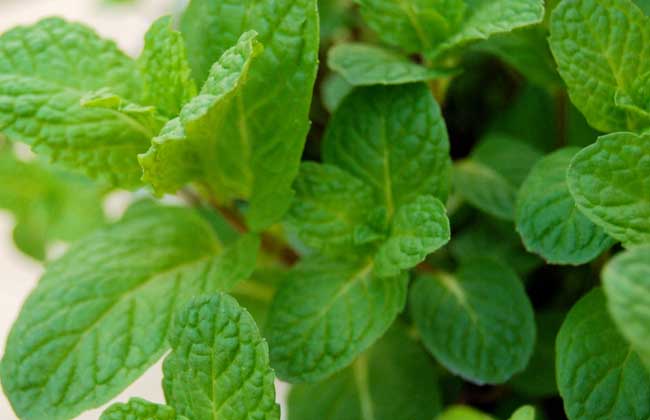
Mint is a perennial herbaceous plant that grows in mountain wilds, wetlands and beside rivers, with rhizomes creeping underground. It is an aromatic crop of special economic value, widely distributed in the temperate regions of the Northern Hemisphere, and found throughout China, with the largest production in Jiangsu and Anhui provinces. Let's take a look at the production areas and distribution of mint below!
The production areas and distribution of mint
Mint is widely distributed in the temperate regions of the Northern Hemisphere. It originated in China, and its main production areas are Jiangsu, Anhui, Jiangxi, Zhejiang, Henan, Taiwan, China and other provinces. Countries that cultivate it abroad include Brazil, Paraguay, India, Japan, Korea, Argentina, Thailand, Australia and others. China ranks first in the world in mint planting area and output, followed by India.
The hometown of Chinese mint
Taihe County is located in the northwest of Anhui Province, under the administration of Fuyang City. It lies at the southern end of the Huang-Huai Plain, between the cities of Fuyang and Bozhou. The land is fertile, and its grain crops are mainly wheat, soybeans, corn, sorghum and sweet potatoes, while its cash crops are known for sesame, rapeseed, cotton, tobacco leaves, mint and Chinese medicinal herbs, especially mint, which has long enjoyed the reputation of "Asian mint is in China, and Chinese mint is in Taihe."
The growing environment of mint
Mint has a strong ability to adapt to environmental conditions. It can grow in areas below 2100 m in elevation, and grows in moist places beside water, where the elevation can reach as high as 3500 m.
1. Temperature: Mint has a strong ability to adapt to temperature. Its rhizomes overwinter and can withstand low temperatures of -15°C. Its most suitable growth temperature is 25°C-30°C. When the temperature is below 15°C, growth is slow, and when it is above 20°C, growth speeds up. At 20°C-30°C, as long as water and fertilizer are suitable, the higher the temperature, the faster it grows.
2. Light: Mint is a long-day crop and likes sunlight. Long daylight hours can promote mint flowering and are conducive to the accumulation of mint oil and menthol.
3. Soil: Mint is not very strict about soil requirements. Apart from overly sandy, overly clayey, excessively acidic or alkaline soils, and low-lying soils with poor drainage, it can generally be planted in ordinary soils, with sandy loam and alluvial soil being preferable. The suitable soil pH is 6-7.5.