How to germinate dogwood seeds? Methods and steps explained
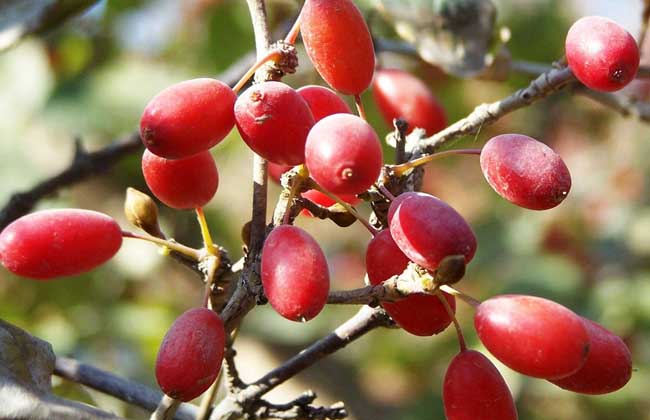
The outer shell of dogwood seeds is hard and lignified, and rich in a gelatinous substance that is difficult to dissolve in water under normal conditions. The embryo of the seed is tender and watery, and its sprouting ability is relatively weak, so it is very difficult for the shell to break and the seed to sprout in a short time. In nature, dogwood seeds need at least 12-15 months of retting before they can sprout, and the germination rate is only below 50%. Let's take a look at dogwood seed germination methods below!
Traditional germination of dogwood seeds
1. Manure and urine soaking for germination: a germination treatment method in which seeds are placed directly in human manure and urine to soak and then stored in water. However, this method is affected by factors such as temperature, climate, and the pH value of human manure and urine, and the soaking time is not easy to control. Although the cost is relatively low, the germination rate and success rate are also relatively low.
2. Chemical soaking for germination: a treatment method of rapidly soaking seeds with sulfuric acid, caustic soda, or hormones. However, because the concentration of acid and alkali is not easy to control, although the shell is corroded, it easily damages the seed embryo, so it is mostly not used in production practice.
Dogwood seed treatment
1. Seed selection: For superior dogwood seeds, the grains are plump and uniform in size. Cut open the cross section with scissors; the seed embryo is greenish-white, soft in texture, and has a fragrant odor. Immature seeds have thin and weak embryos, and when poked outward with a needle or wire they fall off immediately, are blackish-yellow in color, and rot easily.
2. Processing method: The processing methods for dogwood medicinal material commodities include boiling, steaming in baskets, raw squeezing, and machine processing. Seeds for raising seedlings must be obtained by raw squeezing or machine processing. The germination rate of raw seeds can generally reach more than 65%, while seeds scalded with boiling water have only a 5-10% germination rate, and may even fail to sprout at all or fail to survive the summer safely.
3. Degreasing treatment: Because the outer skin of dogwood seeds is hard and rich in gelatinous substance, soaking and degreasing must be carried out before sand storage treatment. The method is to pour the seeds into a corrosion-resistant container, then weigh out white alkali at a ratio of 8%, slowly pour the alkali into heated water to dissolve it, and then pour the alkaline solution into the container holding the seeds. The alkaline solution should preferably cover the seeds by 3-5 cm. Stir with a wooden stick, 3-5 times per day. After 3 days, remove the seeds and pour off the remaining water, then soak the seeds again by the above method using a 3-5% alkali-to-seed ratio for 2 days, 5 days in total. Remove the seeds, rinse once with clean water, repeatedly rub them or use a ball mill to grind the shells so that the outer seed shell becomes noticeably thinner, then dry the seeds until about 70% dry for later use.
4. Sand storage treatment: Because the embryo of dogwood seeds has after-ripening characteristics, after collection it needs a period of natural dormancy, so sand storage is very important. In order to break the overly long dormancy period, a suitable temperature must be used for germination.
① Dig a pit in sunny, dry land with good drainage. The size of the treatment pit depends on the amount of seeds. The pit should not be too deep; generally 20-30 cm is suitable.
② Spread cattle, sheep, mule, or horse manure about 3 cm thick on the bottom of the pit, sprinkle a thin layer of fine sand 1-2 cm thick on the manure, then evenly spread the seeds on the sand. The thickness should be 2-4 cm and must not be too thick, so as not to affect germination quality. Sprinkle another thin layer of sand on the seeds, then spread cattle, sheep, mule, or horse manure 3 cm thick, and sprinkle another layer of sand on the manure. Layer in this way, generally 3-4 layers is enough. If too thick, germination will be insufficient and the germination rate will be affected.
5. Heating in a warm shed: Temperature is one of the necessary conditions for seed germination. In the rapid treatment of dogwood seeds, a suitable temperature can also break the overly long seed dormancy period and promote earlier germination. The methods generally adopted include greenhouse heating, flue heating, and plastic warm shed heating. Among the three, the plastic warm shed method has lower cost and is relatively convenient and commonly used. The method is to cover with film in an arched shed according to the size of the treatment pit. Use strong rope on top and stretch it tight to prevent wind blowing.
Daily management of germination
1. Moisture: Because dogwood seeds have already fully absorbed water during the soaking and degreasing process, generally do not water during sand storage germination unless the sandy soil is very dry, so as to prevent the seed embryo from rotting.
2. Ventilation: Seeds are also life and need necessary respiration, so once a month it is necessary to lift a corner of the warm shed to allow airflow. Each time 8-12 hours is enough.
3. Time: After seed treatment, generally open the shed for inspection after 3-4 months. When 10-20% of the seeds are found to have broken shells and embryos are in a state of sprouting and growth, they can be sown. This avoids excessively vigorous growth affecting the seedlings and wasting seeds.