Where is the origin and distribution of Platycodon grandiflorus? A review of the main producing areas
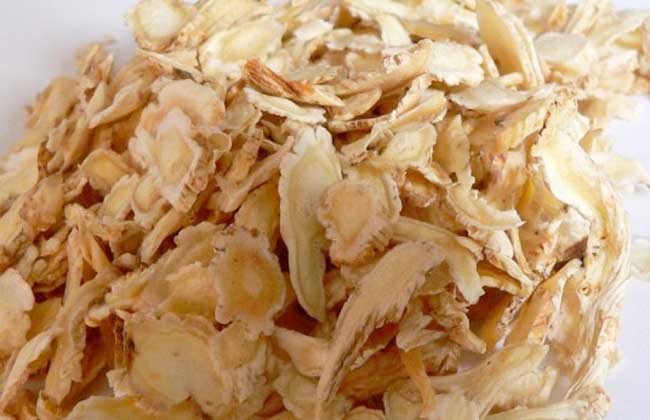
Platycodon grandiflorus, also known as baofulhua, bellflower, and monk's hat flower, is a perennial herbaceous plant mainly produced in China, the Korean Peninsula, Japan, and eastern Siberia. Its root can be used as medicine, with effects such as relieving cough and resolving phlegm, diffusing the lung, and discharging pus. It is a commonly used medicine in traditional Chinese medicine. Let us now take a look at the origin and distribution of Platycodon grandiflorus!
The origin and distribution of Platycodon grandiflorus
The origins of Platycodon grandiflorus are mainly distributed across the provinces of Northeast China, North China, East China, and Central China, as well as Guangdong, northern Guangxi, Guizhou, southeastern Yunnan (Mengzi, Yanshan, Wenshan), Sichuan (east of Pingwu and Liangshan), and Shaanxi. It is also found in the Korean Peninsula, Japan, and the southern parts of the Russian Far East and East Siberia.
In June 2012, Taihe County, Anhui Province, was honored by the Flower Food Professional Committee of the China National Food Industry Association with the title "Hometown of Platycodon grandiflorus in China".
The growing environment of Platycodon grandiflorus
Platycodon grandiflorus prefers a cool climate, is cold-tolerant, and likes sunlight. It is suitable for cultivation in hilly areas below 1100 m in elevation, in semi-shaded and semi-sunny sandy loam soil, and grows better in neutral sandy loam rich in phosphorus and potassium fertilizer. The seed lifespan is 1 year, and storing at low temperature can extend seed lifespan. Dry storage of seeds at 0-4°C for 18 months increases the germination rate by 3.5-4 times compared with storage at room temperature. The seed germination rate is 70%. At a temperature of 18-25°C, with sufficient moisture, seedlings emerge 15d after sowing.
Variety classification of Platycodon grandiflorus
1. Southern Platycodon grandiflorus: Southern Platycodon grandiflorus was previously mainly wild products, and there are now many cultivated products. Those produced in Anhui, Jiangsu, Zhejiang, and other places are Southern Platycodon grandiflorus.
2. Northern Platycodon grandiflorus: Compared with Southern Platycodon grandiflorus, its shape is mostly slender, branching is common, and its texture is lighter and more spongy. Northern Platycodon grandiflorus is mostly wild products, and those produced in Northeast China and North China are Northern Platycodon grandiflorus.
3. Wild Platycodon grandiflorus produced in the Southwest region (Sichuan, Yunnan, Guizhou, and other places) mostly has a larger rhizome head and a shorter main root.