How to Propagate Licorice? A Detailed Guide to Common Propagation Methods
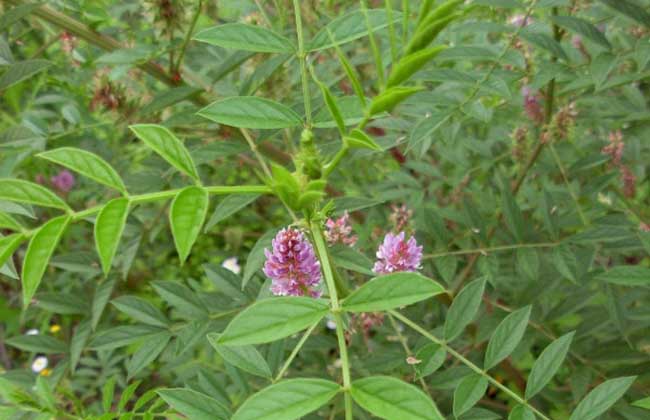
Licorice is a perennial herb in the genus Glycyrrhiza of the Fabaceae family, with thick and sturdy roots and rhizomes. It is a tonic herb used in traditional Chinese medicine. Both sexual and asexual propagation can be used, and typically three methods are employed: seed propagation, rhizome propagation and division propagation. Let's take a look together below!
Seed Propagation of Licorice
Licorice seeds have a hard and thick seed coat and do not germinate easily. Before sowing, mix the seeds with an equal amount of crushed glass and grind for half an hour, achieving a germination rate of about 85%; or mix the seeds with 3 times their volume of moist sand and store for one to two months to accelerate germination; or before sowing, soak the seeds in warm water at 60°C for 4 to 6 hours, remove them and cover with a damp cloth, rinse with clean water twice a day, and sow once the seeds have cracked.
From late March to early April, open two shallow furrows 1.5 to 2 cm deep on the prepared ridges, sow the seeds evenly into the furrows, cover with soil and water. Seedlings can emerge half a month after sowing. Planting on ridges is better than planting on flat beds, as it facilitates drainage, ventilation and light penetration, and the roots grow deeper. If sowing before winter, scarification is not needed. The sowing rate is 2.5 kg per mu.
Rhizome Propagation of Licorice
For rhizome propagation of licorice, it is best to dig up licorice in spring or autumn, select the thick roots for medicinal use, and cut the thinner rhizomes into small sections 15 cm long, each section bearing root buds and fibrous roots. Open two furrows about 10 cm deep on the ridge, place the rhizomes flat in the furrows at a plant spacing of 15 cm, cover with soil and water, and keep the soil moist. The amount of planting material used is 75 to 100 kg per mu.
Division Propagation of Licorice
Many new shoots often sprout around the mother licorice plant, and these can be dug out and transplanted in spring or autumn.