What types of Saposhnikovia divaricata are there? A guide to common varieties of Saposhnikovia divaricata
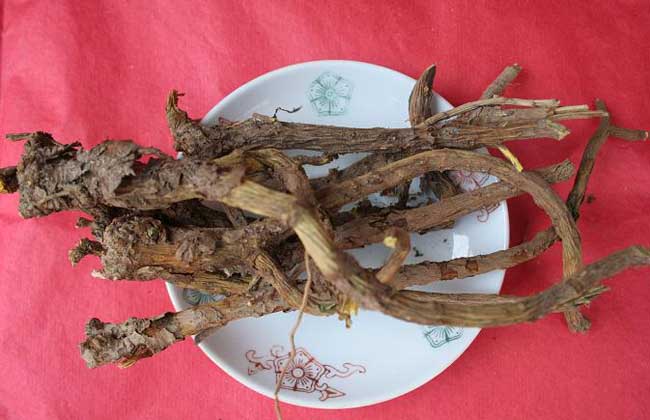
Saposhnikovia divaricata is the root of the perennial herbaceous plant Saposhnikovia divaricata in the Apiaceae family, mainly produced in Heilongjiang, Sichuan, Inner Mongolia and other places. Depending on the place of origin, commercial Saposhnikovia divaricata can be divided into three types: Guan Fangfeng, Kou Fangfeng and Shui Fangfeng. Let's take a look at the differences between these three types of Saposhnikovia divaricata!
Guan Fangfeng
Guan Fangfeng is the authentic premium grade of Saposhnikovia divaricata. Its outer skin is grayish yellow or grayish brown (darker in color), the strips are thick and long, the texture is glutinous, fleshy and moist, and the chrysanthemum heart pattern on the cross-section is obvious. It is mostly single-stemmed. The best is produced in western Heilongjiang, where the main root is well developed with few lateral roots, the skin color is brownish yellow, and the chrysanthemum heart pattern is obvious. It is known as “Red Strip Saposhnikovia divaricata”.
Kou Fangfeng
Kou Fangfeng, also known as “Xi Fangfeng”, is Saposhnikovia divaricata mainly produced in central Inner Mongolia, northern Hebei, Shaanxi, Shanxi and other places. Its surface color is lighter, appearing grayish yellow-white, the strips are long and thin, and some show branching. The top has more fibrous hairs but fewer ring lines than Guan Fangfeng, and the texture is relatively hard, not as soft and moist as Guan Fangfeng. The chrysanthemum heart pattern is less obvious than that of Guan Fangfeng.
Shui Fangfeng
Shui Fangfeng, also known as “Sishui Fangfeng”, is mainly produced in the Lingbao, Lushi and Xingyang areas of Henan, southern Shaanxi, and Dingxi and Tianshui in Gansu. Its root strips are relatively thin and short, 10-15cm long, 0.3-0.6cm in diameter, thick at the top and thin at the bottom in a conical shape, with few or no ring lines, mostly branched, light in weight with little flesh, and somewhat woody.